When we look back to the earliest chapters of human history, two lands stand out above the rest for their influence on the growth of civilization: Egypt and Mesopotamia. Both were shaped, nourished, and sustained by mighty rivers. In Egypt, the Nile brought life to a desert, flowing down from the Great Lakes of equatorial Africa, past temples and pyramids built by some of the most extraordinary architects in history. Mesopotamia, on the other hand, lay between two great rivers—the Tigris and the Euphrates—whose waters made it one of the most fertile and important regions in the ancient world.
Cradle of Mankind
Between Two Rivers
Mesopotamia was not a single kingdom at first, but a region that included both Babylonia and Assyria. Its name, whether spoken by Greeks as "Mesopotamia," by Egyptians as "Naharina," or by Hebrews as "Naharaim," always meant the same thing: "The Land Between the Two Rivers." These rivers, rising in the mountains of Asia Minor, flowed southeast into the Persian Gulf, creating a broad plain between the rugged uplands of Persia and the vast Arabian desert. The Tigris, known locally as the "Dijla" or "The Arrow," surged swiftly through its deep channel. The Euphrates, slower and broader, curved in a great arc before joining the Tigris at Kurna. Together they formed the Shatt-el-Arab, which carried their combined waters to the Gulf. Over thousands of years, the rivers deposited silt, pushing the coastline further out—turning ancient coastal towns into inland cities.
The Garden of the World
This plain was, in ancient times, the "Garden of the World," where humanity first began to settle, farm, and build cities. Many historians believe that the biblical Garden of Eden may have been located here, for the Euphrates is mentioned among its rivers. The fertile soil, nourished by the rivers’ floods, made possible abundant harvests. Greek historian Herodotus claimed that the land’s grain could yield up to three hundredfold, with stalks so broad they could scarcely be grasped by hand. But this abundance was no accident. Ancient kings built and maintained a complex network of canals to control the rivers’ floods and distribute water across the land. When these canals fell into neglect—especially under later rulers—the land turned to swamp and desert. Today, much of Mesopotamia is barren, but the remnants of old canal beds still mark the plains, silent witnesses to a time of extraordinary prosperity.
Birth of the City-State
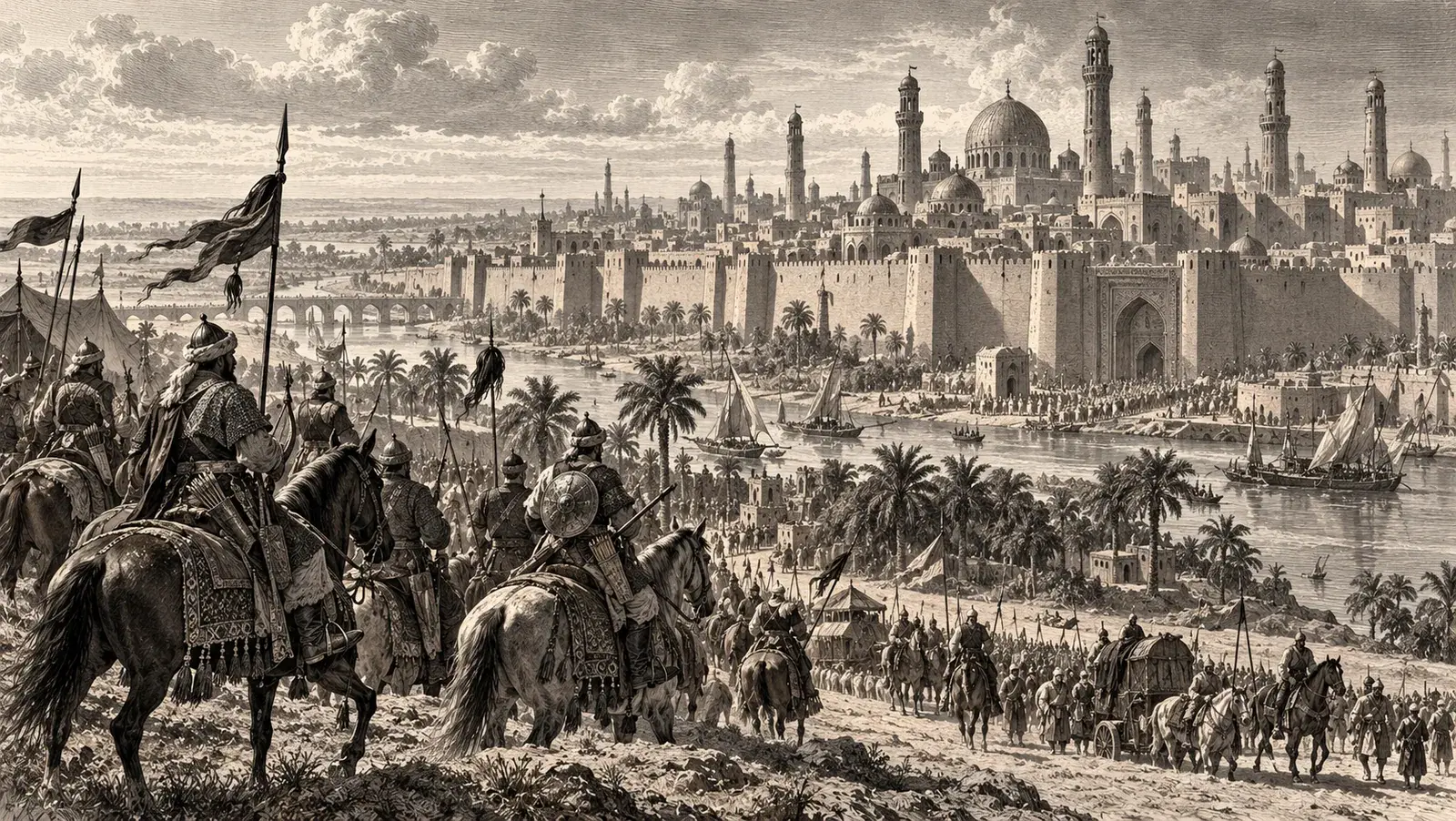
In the earliest days, Mesopotamia was a land of small, independent city-states. Each began as a cluster of homes for mutual safety, growing into walled towns with temples dedicated to their patron gods. Towering over each city rose a ziggurat—a stepped temple tower—beside which stood the ruler’s palace. Beyond the city walls stretched farmland, and further still, grazing lands for livestock. These city-states were self-contained worlds, but their growth inevitably brought them into conflict with neighbors. Borders clashed, disputes over grazing land turned violent, and wars broke out. Victorious cities would claim land or even absorb entire rivals, with rulers taking grand titles such as "King of the Four Quarters of the World." Yet such power rarely lasted long before another conqueror rose.
illustrated map showing ancient Egypt and Mesopotamia, featuring stylized rivers and desert
Hammurabi and the First Empire
For centuries, Mesopotamia’s history was a patchwork of such rivalries, until a leader named Hammurabi united much of the land under Babylonian rule around 2000 BCE. Hammurabi is remembered not only for his conquests but for his code of laws—one of the earliest known—that sought justice and order across his realm. His reign marked a high point in Mesopotamian unity and governance. After his death, invasions from the highlands shattered the empire. Yet the legacy of Babylon endured, influencing law, administration, and culture for centuries to come.
Rise of Assyria
Meanwhile, settlers from the plain had moved north into the hill country, founding a city called Asshur in honor of their god Ashur. These people, known as the Assyrians, became fierce warriors and skilled builders of empires. Over time, Assyria challenged Babylon for dominance, leading to centuries of warfare that shaped the history of the ancient Near East. Both Assyrians and Babylonians were master builders and scholars. Their capitals—Nineveh and Babylon—became legendary for their grandeur. They raised towering temples, carved intricate works of art, compiled vast libraries, and charted the movements of the stars, laying the groundwork for modern astronomy and navigation.
Decline and Rediscovery
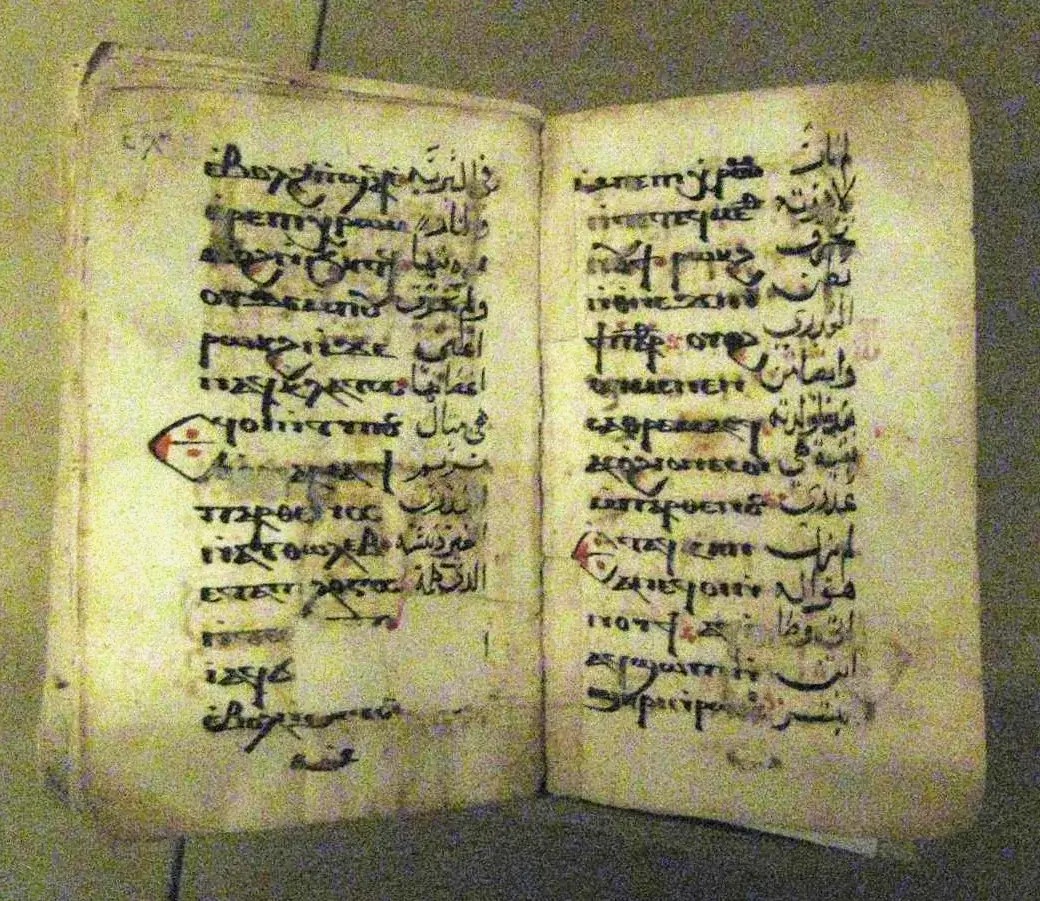
Eventually, the tides of history turned against them. Babylon, with the help of the Medes, destroyed Assyria, only to fall in turn to the Medes and Persians. For centuries, their once-great cities crumbled into ruins, buried under layers of sand and forgotten by the world. Even the Greek historian Xenophon, passing through the region four centuries before Christ, could only describe the remains of once-mighty cities, their names already lost or distorted. By the Middle Ages, Mesopotamia was a wilderness dotted with mysterious mounds. Travelers brought back bricks inscribed with strange symbols, but no one could read them. Only in the mid-19th century did archaeologists begin to uncover the buried cities, revealing the astonishing achievements of the people who had once lived between the Tigris and Euphrates.