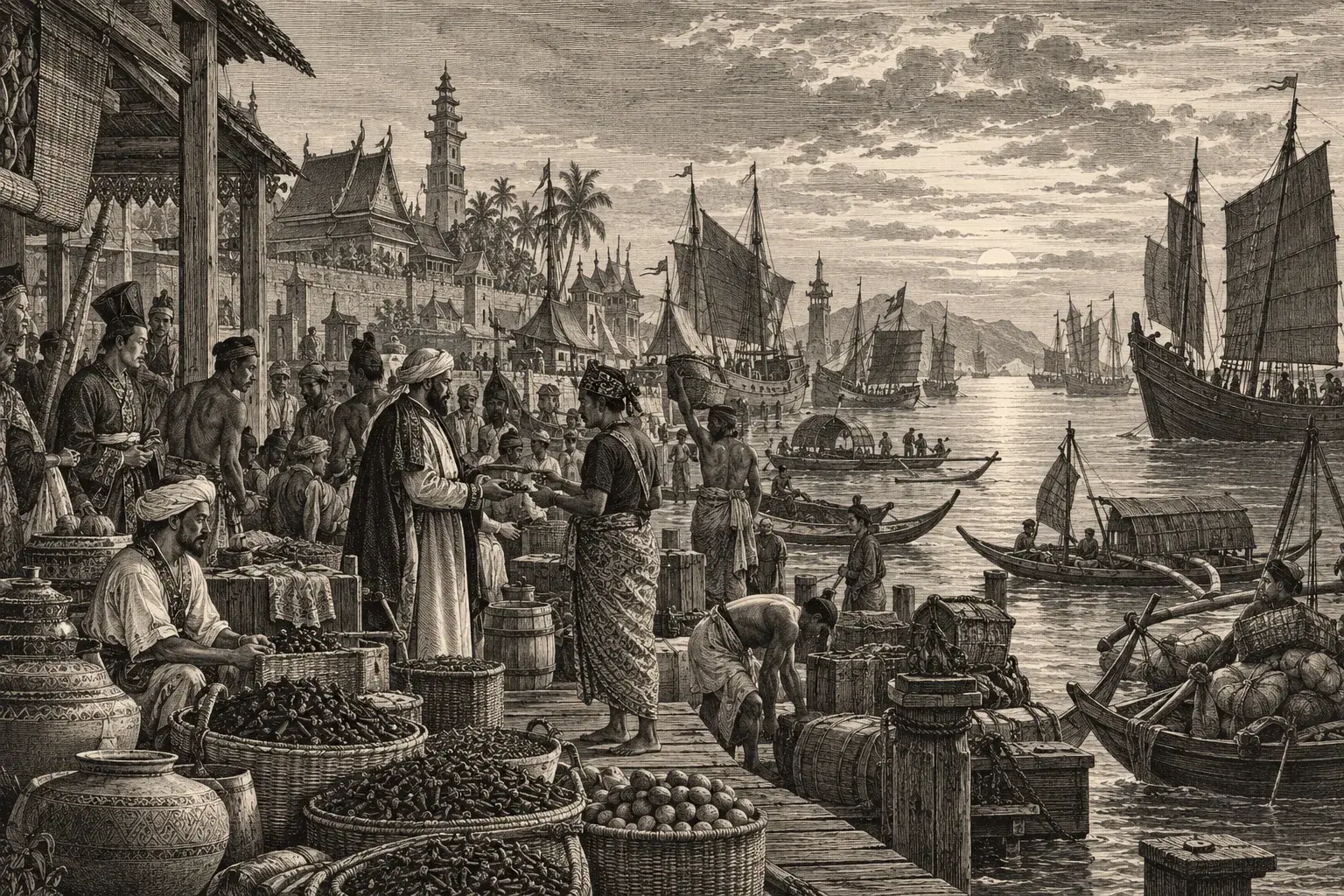
In ancient Europe, between the Carpathian Mountains and the Tisza and Sava rivers, lived a Germanic tribe called the Gepids. Their land covered parts of today's Romania, Hungary, and Serbia. Though not as famous as other tribes, the Gepids played an important role during the Migration Period, leaving behind a story filled with struggle, survival, and culture.
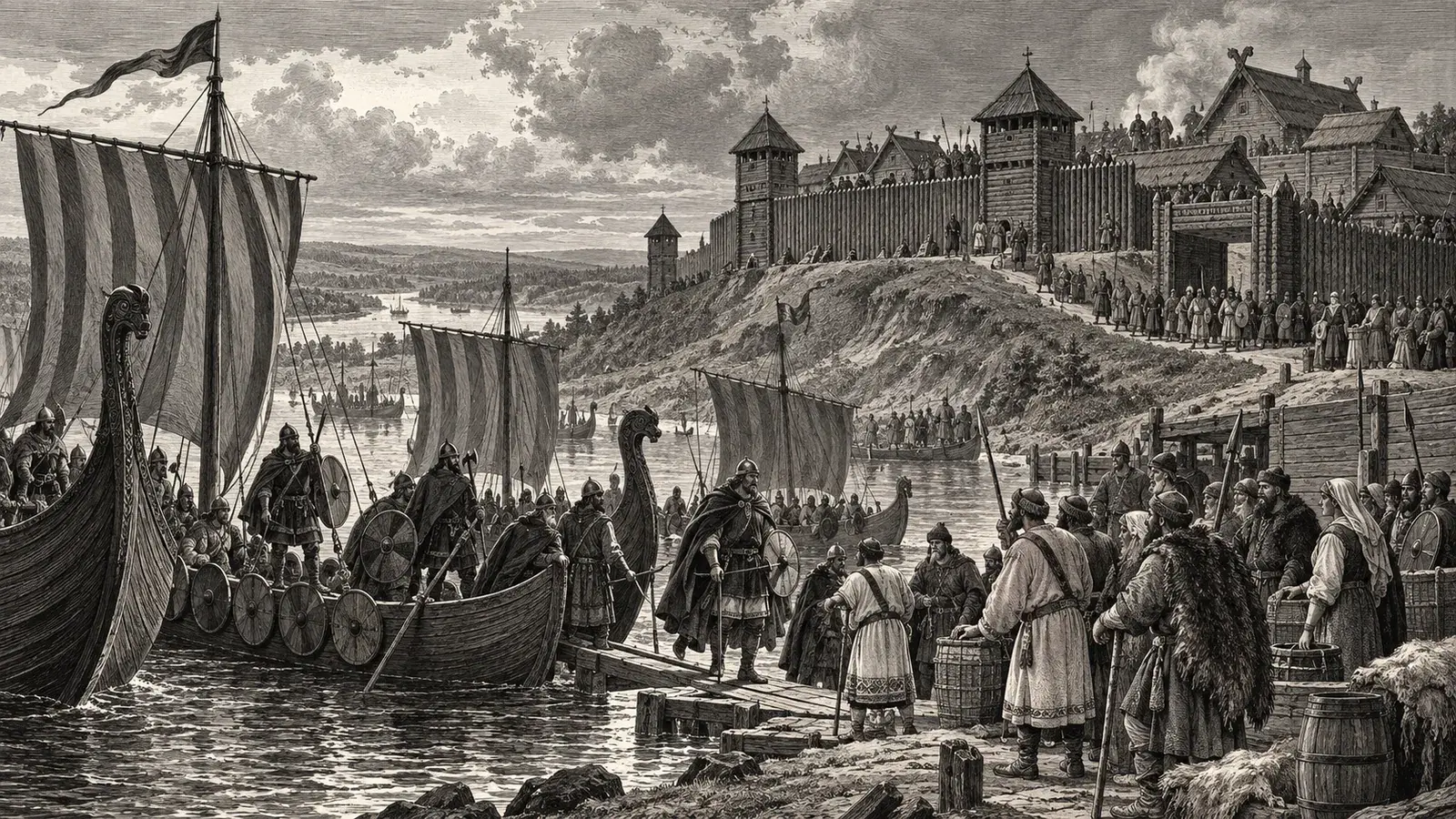
Gepid Kingdom (Illustration)
Origins
In ancient Europe, between the Carpathian Mountains and the Tisza and Sava rivers, lived a Germanic tribe called the Gepids. Their land covered parts of today's Romania, Hungary, and Serbia. Though not as famous as other tribes, the Gepids played an important role during the Migration Period, leaving behind a story filled with struggle, survival, and culture.Unlike other well-known tribes, the Gepids were rarely mentioned in ancient texts. Roman writers like Tacitus and Ptolemy didn’t talk about them, leading some historians to call them one of the most mysterious tribes. The first solid records of the Gepids appear around the third century AD, though some believe they were involved in earlier Roman conflicts. A historian named Jordanes said the Gepids came from a mythical island called Scandza—likely part of modern Sweden. According to legend, the Gepids traveled south with the Goths but were slower, earning them the nickname "gepanta," meaning "slow," which may have inspired their name.
Life Under the Huns
By the 400s, the Gepids were ruled by the Huns. The arrival of the Huns shook up Europe, forcing many tribes to move or submit. The Gepids managed to rise in importance under Attila the Hun. Their king, Ardaric, was one of Attila’s close allies. The Gepids even fought in the famous Battle of the Catalaunian Plains in 451, where Roman and tribal forces stopped the Huns from spreading into Western Europe. Even though they worked with the Huns, the Gepids wanted freedom. When Attila died in 453, his empire began to fall apart. King Ardaric led other tribes in a rebellion. In 454, at the Battle of Nedao, they defeated Attila’s sons and broke the Huns' control over Central Europe.
Building Their Own Kingdom
After their victory, the Gepids set up their own kingdom in the eastern Carpathian Basin, with their capital at Sirmium (today’s Sremska Mitrovica, Serbia). This kingdom, sometimes called Gepidia, included much of the old Roman province of Dacia. Despite pressure from the Eastern Roman Empire and other tribes, the Gepids stayed independent. During the late 400s and early 500s, Gepidia grew strong. Archaeologists have found rich graves at places like Apahida and Someșeni, showing that the Gepid nobles were wealthy. They had fine weapons, jewelry, and other luxury items. The Gepids also received gold from the Roman Empire in exchange for their friendship or neutrality.
Gepids in the eastern Carpathian Basin
Culture and Language
We don’t have any writings from the Gepids themselves, but evidence suggests they spoke a language similar to Gothic. A historian named Procopius called them one of the "Gothic peoples," like the Visigoths and Vandals. They were said to be light-skinned and blond and followed Arian Christianity, a form of Christianity that was different from the Roman Church. Even though they interacted with others, the Gepids mostly kept to themselves. Their villages near the Someș and Körös rivers didn’t mix much with neighboring cultures. This may have helped keep their traditions alive but may have also made them weaker in the long run.
Fall of the Gepids
In the 500s, the Gepids had problems with the Eastern Roman (Byzantine) Empire, especially under Emperor Justinian I. The Byzantines saw them as a threat and teamed up with the Lombards, a rival tribe. In 567, the two forces attacked and destroyed the Gepid kingdom. Without allies and overwhelmed by enemies, the Gepids were defeated. Some joined the Lombards in moving to Italy. Others became part of the Byzantine Empire. A few stayed in their old homeland, but over time, their unique identity disappeared.
Legacy
Today, we remember the Gepids mostly through archaeology and legends. Artifacts from their graves and towns show they were a mix of Germanic and Roman influences. Their name might come from old jokes or military terms, but it still sparks interest. In the end, the Gepids’ story is about strength, change, and loss. From their mysterious beginnings in the north, to their rise along the Danube, and finally to their fall, the Gepids made a unique mark on European history. Even though time has hidden much of their story, their memory lives on in the lands they once ruled.