There are civilizations whose names everyone knows — Egypt, Greece, Rome, Mesopotamia. And then there are the civilizations that shaped the ancient world just as profoundly, fought the same wars, signed the same treaties, and influenced the same cultures, but somehow slipped through the cracks of popular memory. The Hittites belong firmly in that second category. At their height, the Hittites controlled a vast empire stretching across Anatolia — the landmass that forms the heart of modern Turkey — and deep into Syria and the Levant. They clashed with the Egyptian pharaohs on the battlefield and then negotiated with them across the diplomatic table, producing in the process one of the oldest surviving peace treaties in human history. They developed a complex legal system, a rich religious culture, and a style of governance sophisticated enough to hold together an empire for centuries. And then they disappeared. So completely, so thoroughly, that by the time modern archaeology began piecing their story back together in the late nineteenth century, almost everything the world knew about the Hittites came from passing references in Egyptian records and the pages of the Hebrew Bible. This is the story of how they rose, how they ruled, and how they fell — and why the civilization that once made Egypt nervous deserves to be remembered.
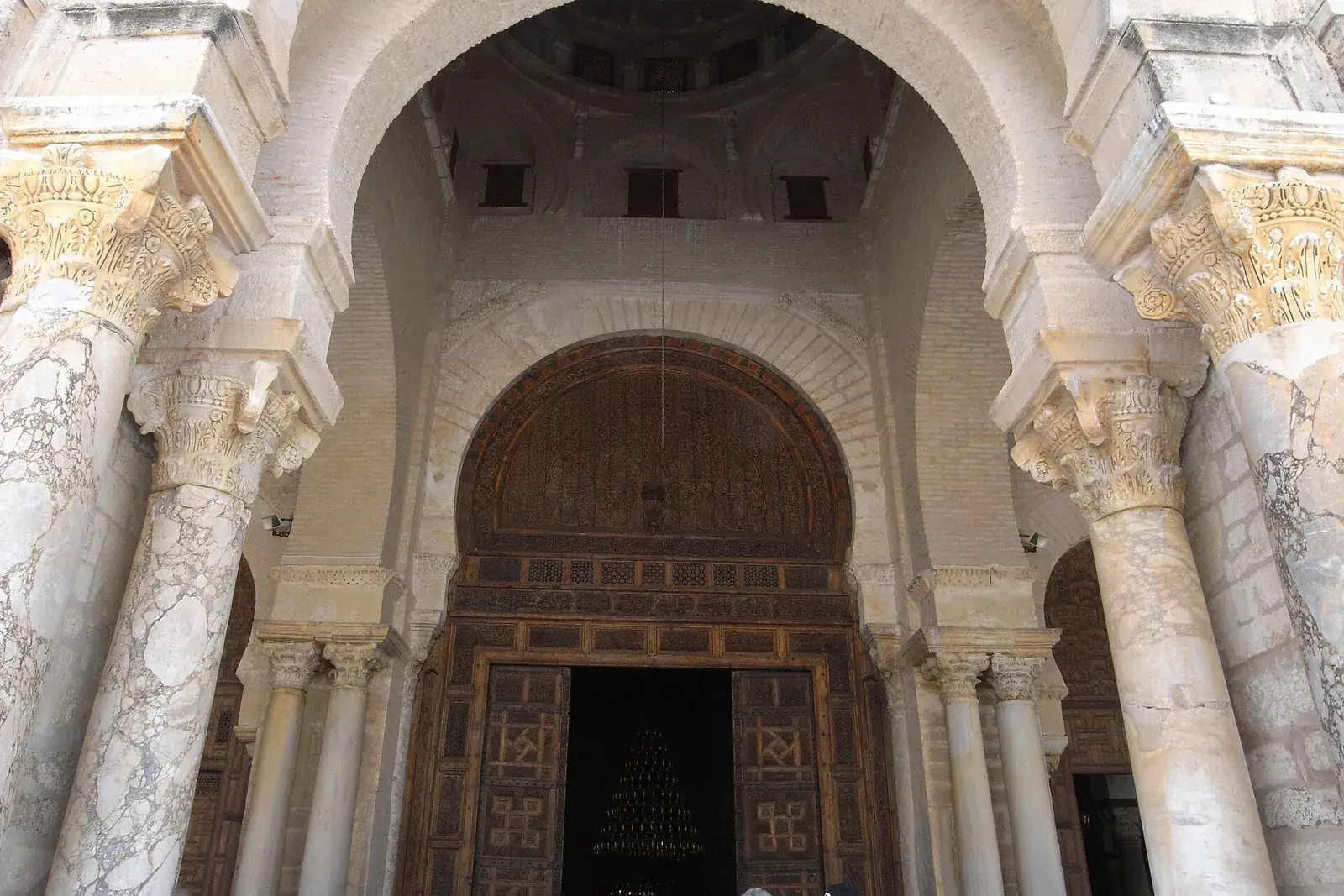
The ruins of Hattusa, the great capital of the Hittite Empire, were hidden beneath the soil of central Anatolia for nearly three thousand years before archaeologists rediscovered them in the late nineteenth century.
Origins in Anatolia: Who Were the Hittites?
Long before 1700 BCE, the region we now call Turkey was already home to sophisticated cultures with their own traditions, languages, and political structures. The land of Anatolia — a broad plateau bounded by mountains, rivers, and two seas — had been inhabited for thousands of years, and its peoples had developed complex societies long before the Hittites emerged as a distinct force. The Hittites did not appear fully formed. Their culture most likely evolved from earlier inhabitants of the region, particularly a people known as the Hatti, whose name would eventually pass into the very identity of the empire that absorbed them. The Hurrians, another powerful group of the ancient Near East, also appear to have contributed to the cultural mix that produced what we call Hittite civilization. This blending of traditions — indigenous Anatolian, Hatti, Hurrian, and other influences — gave Hittite culture a layered complexity that scholars are still working to fully understand. The name "Hittites" itself has an interesting origin. It appears in the Hebrew Bible, where they are frequently mentioned as enemies and neighbors of the Israelites, said to descend from a figure named Heth. But the Hittites themselves did not use that name. They had their own terms for their people and their kingdom, and the label that history attached to them came largely from outside sources — another reminder of how thoroughly their own voice was silenced by their disappearance. Historians generally divide Hittite history into two major periods: the Old Kingdom, running from approximately 1700 to 1500 BCE, and the New Kingdom — also called the Hittite Empire — from around 1400 to 1200 BCE. Between them lies a murky interval sometimes called the Middle Kingdom, though many historians resist that label because the continuity of Hittite rule was never fully broken — records simply become sparse and difficult to interpret.
Rediscovering a Lost Empire: Hattusa and the Clay Tablets
For most of recorded history after their collapse, the Hittites existed primarily as a footnote — a name in other people's documents, a civilization without a face. That changed dramatically in the late nineteenth century when archaeologists began excavating a site called Bogazkale in the heart of modern Turkey. Beneath the soil of this unassuming location lay the ruins of Hattusa, the great capital of the Hittite Empire. What the excavations revealed was extraordinary. Hattusa was not a modest administrative center but a formidable fortified city built across rocky terrain, defended by massive walls and towers, filled with temples, palaces, and the infrastructure of an imperial capital. It had been constructed on ground that made building difficult but defense impressive — a deliberate choice that spoke to the military mindset of its builders. The most significant discovery was the archive: thousands upon thousands of clay tablets inscribed with cuneiform writing, preserved by the very fires that had eventually destroyed the city. These tablets contained everything from royal decrees and diplomatic correspondence to legal codes, religious rituals, and records of everyday transactions. They were a window into a civilization that had been almost entirely lost. There was one problem: nobody could read them. Scholars could identify the writing system — a form of cuneiform adapted from Akkadian — but the language itself was impenetrable. That changed in the early twentieth century when a Czech scholar named Bedřich Hrozný approached the tablets with fresh eyes. He noticed patterns that reminded him of words in other languages he knew, and a single sentence became the key that unlocked the whole system. Something along the lines of "now you will eat bread and drink water" contained enough familiar roots to allow Hrozný to identify Hittite as a member of the Indo-European language family — the same broad family that includes Sanskrit, Greek, Latin, and most modern European languages. This discovery sparked a debate that has never been fully resolved. If the Hittites spoke an Indo-European language, did that mean they had migrated into Anatolia from somewhere else, displacing or absorbing the earlier Hatti population? Or had Indo-European languages developed in the region independently, making the migration hypothesis unnecessary? The evidence remains incomplete, and scholars continue to argue both sides.
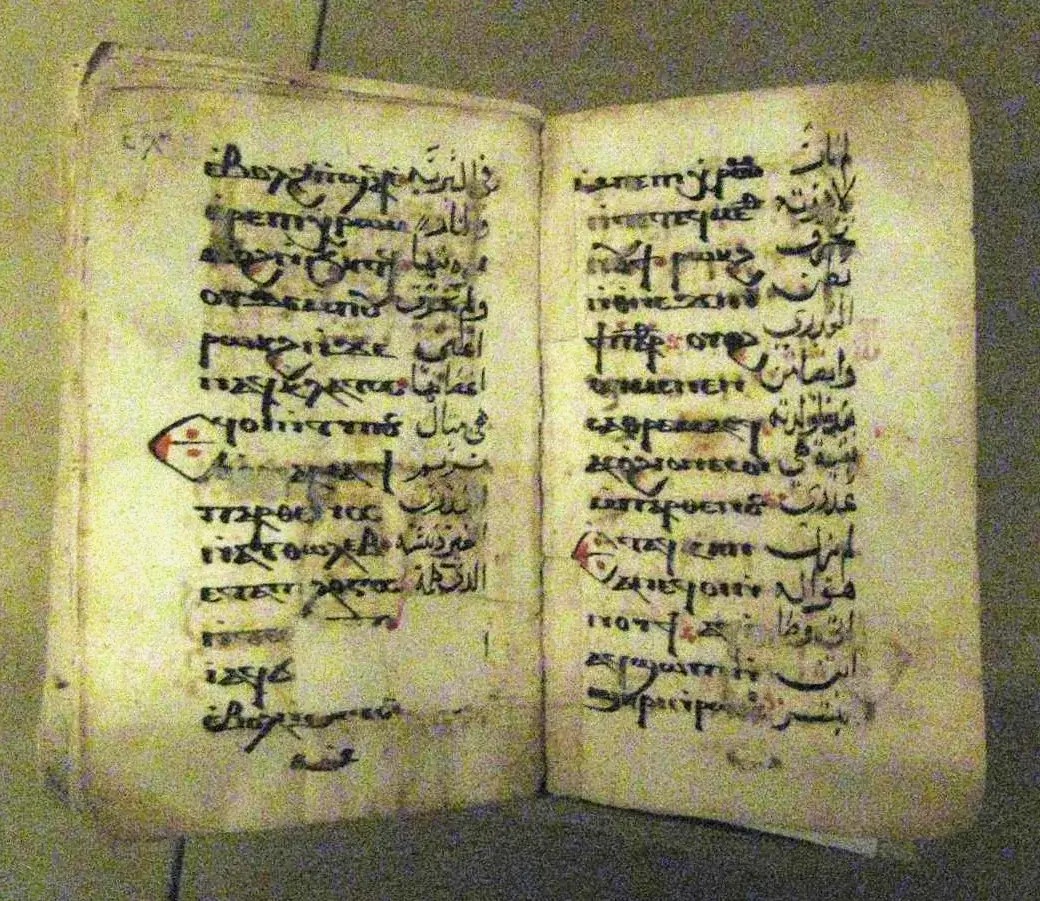
Thousands of clay tablets discovered at Hattusa preserved Hittite law, history, religion, and diplomacy — and were only deciphered in the early twentieth century by scholar Bedřich Hrozný.
The Old Kingdom: Founding, Ambition, and the Curse of Betrayal
The early history of the Hittite kingdom reads like a story written by someone who understood that power is never simply inherited — it must be seized, defended, and seized again. Around 1700 BCE, a king named Anitta attacked and destroyed the city of Hattusa, placing a formal curse on the site. Anyone who dared to rebuild it, the curse declared, would suffer divine punishment. It was the kind of declaration that carried enormous weight in the ancient world, where the gods were understood to take a direct interest in human affairs. The curse did not hold for long. Another king, Hattusili I — whose very name honored the city — rebuilt Hattusa and made it his capital, apparently deciding that the practical advantages of the location outweighed any supernatural risk. Hattusili I is remembered as one of the true founders of the Hittite kingdom. He was an aggressive military campaigner who expanded his territory significantly, bringing neighboring regions under his control through a combination of force and political maneuvering. But his reign also introduced a pattern that would haunt the Hittite Old Kingdom for generations: the destructive consequences of distributing power within the royal family. Hattusili appointed family members to positions of authority across the kingdom, and those same family members eventually turned against him, using their positions as platforms for rebellion and self-advancement. Betrayal, conspiracy, and dynastic violence became recurring features of Hittite political life. Hattusili ultimately chose his grandson Mursilli I as his successor, bypassing the traditional order of succession. Mursilli proved himself a capable and aggressive ruler — he destroyed the city of Aleppo and conducted a devastating raid on Babylon, reaching further than any Hittite king before him. But he made the mistake of returning home with the wealth of those conquests rather than establishing permanent control, and within a short time, he was assassinated by his own relatives. What followed was a prolonged and bloody period of internal instability. Kings rose and fell through violence. Hantili, Zidanta, Ammuna — each took power through conspiracy and each faced conspiracy in return. Regions broke away from central control. The borders that earlier kings had fought to establish contracted. By the time a ruler named Telepinu came to power, the kingdom had declined dramatically from its earlier heights. Telepinu attempted to arrest the collapse through administrative reform. He created a formal document looking back at the kingdom's history — comparing its past greatness to its troubled present — and tried to establish clearer rules for royal succession, hoping that by removing the ambiguity that invited conspiracy, he could break the cycle of violence. It was a perceptive diagnosis. But the cure came too late, and after his rule, the historical record becomes thin and unreliable once again.
Suppiluliuma I: The King Who Made the Empire
The story of the Hittites comes fully into focus again during the New Kingdom period, and at the center of that story stands one of the most formidable rulers the ancient Near East ever produced: Suppiluliuma I, who came to power around 1344 BCE. Suppiluliuma understood that a great empire requires a secure foundation before it can expand, and he began his reign by doing exactly that — strengthening Hattusa, reinforcing its defenses, and consolidating his authority within the homeland before turning his ambitions outward. The capital grew larger and more impressive under his direction, its walls extended and its temples expanded into something worthy of an imperial center. Once the foundation was solid, he moved. His campaigns into northern Syria were systematic and decisive. City after city in the region came under Hittite authority. He confronted the kingdom of Mittani — once a major power in the ancient Near East — and reduced it to a client state, dramatically shifting the balance of power across the entire region. The Levant, with its rich trade networks and strategic coastal access, fell increasingly under Hittite influence. All of this brought him into direct conflict with Egypt, which had long considered much of Syria and the Levant its own sphere of influence. Egypt had previously supported Mittani as a counterweight against Hittite expansion, but when Pharaoh Amenhotep III withdrew that support, Suppiluliuma moved into the vacuum without hesitation. Even the reign of the religiously preoccupied Akhenaten — who was absorbed in his theological revolution at home — could not stop the Hittite advance. Then came one of the strangest episodes in the diplomatic history of the ancient world.
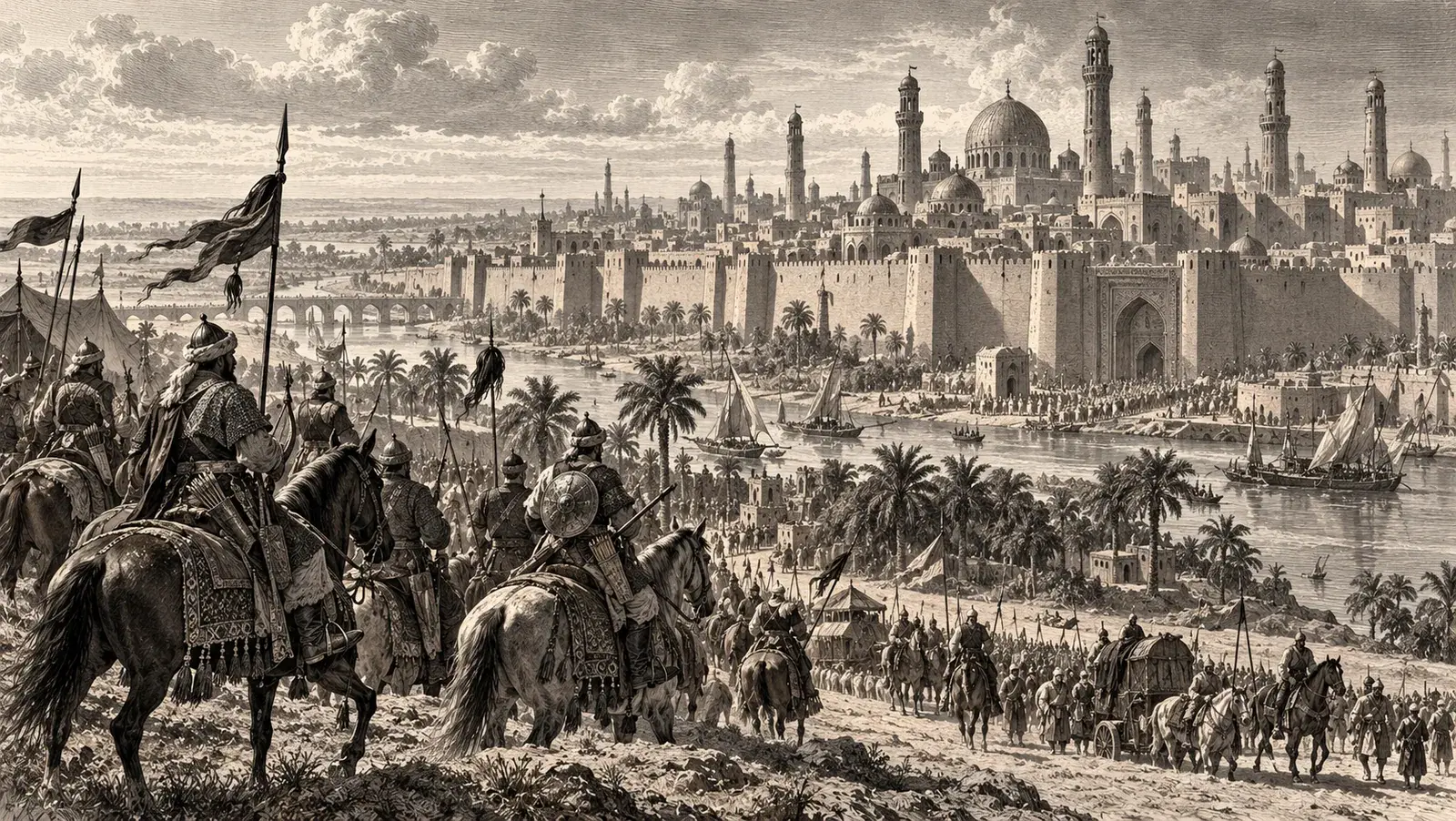
Suppiluliuma I transformed the Hittite state into a true empire, defeating the kingdom of Mittani and pushing deep into Syrian territory previously dominated by Egypt.
The Egyptian Queen's Secret Letter and the Prince Who Never Arrived
After the death of the young Egyptian pharaoh Tutankhamun, a message arrived at the Hittite court that Suppiluliuma found almost impossible to believe. It came from the Egyptian queen — almost certainly Ankhesenamun, Tutankhamun's widow — and its contents were extraordinary. She wrote that she had no son, that she faced pressure to marry someone of lower status, and that she did not want this. She was, she said, reaching out to Suppiluliuma specifically: if he would send one of his sons to Egypt, she would make that son her husband and he would become pharaoh. Suppiluliuma was experienced enough to be suspicious. The proposition was so remarkable — an Egyptian queen voluntarily offering the throne to a foreign prince, the son of Egypt's primary rival — that it seemed more likely to be a trap than a genuine offer. He sent envoys to verify the message before committing to anything. When the confirmation came back that the request appeared genuine, he made his decision. He sent his son Zananza to Egypt. Zananza never arrived. He was killed somewhere on the journey — almost certainly the victim of a political faction within Egypt that had no intention of allowing a Hittite prince anywhere near the pharaoh's throne. Whether the queen's request had been genuine and was overridden by Egyptian power brokers, or whether the entire episode was an elaborate scheme designed to humiliate Suppiluliuma, remains one of history's unresolved mysteries. What is not mysterious is Suppiluliuma's response. Grief-stricken and furious, he launched aggressive new campaigns against Egyptian-held territories, driving deeper into the Levant and stripping away Egyptian influence with a ruthlessness that made his earlier campaigns look restrained.
Plague, Succession, and the Reign of Mursilli II
Suppiluliuma's campaigns brought more than territory — they brought disease. A devastating plague swept through the Hittite world, most likely carried back by prisoners and soldiers returning from the wars in Syria and the Levant. It tore through the population with terrible efficiency, and among its victims was Suppiluliuma himself, who died around 1322 BCE. His son Arnuwanda II inherited the throne but survived barely long enough to be counted as a reign, dying from the same illness within a short time. The empire that Suppiluliuma had spent his life building had lost its architect and then its first successor in rapid succession. The situation was precarious. The throne passed to another son: Mursilli II. He was young, and neighboring kingdoms — sensing opportunity — assumed that youth meant weakness. They were quickly corrected. Mursilli proved to be a ruler of considerable ability, dealing decisively with the Kaska tribes who had long raided the northern frontiers of the empire, securing borders that had become dangerously permeable during the chaos of the plague years, and expanding Hittite authority in several directions. He ruled for roughly twenty-five years and left behind a kingdom that was, against all expectations, stronger than the one he had inherited. His son Muwatalli II took power in a similarly strong position — and proceeded to face the defining military confrontation of the entire Hittite imperial period.
The Battle of Kadesh: Two Empires at the Edge of the World
The Battle of Kadesh, fought around 1274 BCE between the forces of Muwatalli II and the Egyptian pharaoh Ramesses II, is one of the most famous military engagements of the ancient world — and also one of the most instructive about how history gets written. Ramesses II returned to Egypt and covered his temples with accounts of his great victory. He was brave, the inscriptions declared. He was favored by the gods. He had faced the Hittite army and triumphed. The battle of Kadesh, in the Egyptian telling, was a resounding vindication of pharaonic power. The Hittite records tell a different story. Both sides, in fact, suffered significant casualties. Neither achieved the decisive victory that would have ended the conflict. The battle was, by any reasonable military assessment, a draw — and both empires knew it, even if only one of them was willing to admit it in their official monuments. What the battle did produce, eventually, was something more valuable than a clear winner: the recognition that continuing to fight was costing both sides more than either could afford. After Muwatalli II, his son Mursilli III held power briefly before being displaced by his uncle Hattusili III. And it was Hattusili III who sat across the diplomatic table from Ramesses II and, around 1258 BCE, signed an agreement that has earned its place in the history books not because of what it resolved in the moment but because of what it represented. The Treaty of Kadesh is the earliest surviving peace treaty in recorded history. Both sides agreed to end hostilities, support each other against common enemies, and extradite political refugees. It was practical, detailed, and survived in copies on both Egyptian temple walls and Hittite clay tablets. Today, a reproduction of the treaty hangs at the United Nations headquarters in New York — a reminder that diplomacy as a formal, written practice has roots that run very deep indeed.
The Battle of Kadesh — fought between Muwatalli II of the Hittites and Ramesses II of Egypt — ended not in a clear victory for either side but in the Treaty of Kadesh, the oldest surviving peace agreement in history.
The Final Decades: Assyrian Pressure and the Coming Catastrophe
The Treaty of Kadesh brought a period of relative stability, but the wider geopolitical landscape was shifting in ways the Hittites could not fully control. When Tudhaliya IV came to the throne, the empire faced a new and formidable adversary to the east: Assyria, which had been growing steadily in power and now began pressing directly against Hittite interests. The two empires clashed, and the Hittites did not always come out ahead. The sense of imperial invincibility that had defined the New Kingdom's earlier decades began to erode. Then, around 1200 BCE, came the catastrophe that historians still struggle to fully explain. The late Bronze Age collapse was one of the most dramatic civilizational disruptions in ancient history, affecting not just the Hittites but virtually every major power in the eastern Mediterranean simultaneously. Egypt weakened dramatically. Mycenaean Greece collapsed entirely. Trading networks that had sustained urban civilizations for centuries broke down. And sweeping across the region came groups that ancient Egyptian records called the Sea Peoples — mysterious raiders whose origins remain debated but whose impact was devastating and undeniable. The Sea Peoples struck Hittite Anatolia with destructive force, attacking and burning cities across the region. The Hittite state, already strained by Assyrian pressure and internal difficulties, could not absorb these blows. The last known Hittite king, Suppiluliuma II — named after the empire's greatest ruler, as if in a final act of historical wishfulness — managed one notable military success: what may be the first recorded naval battle in history, a victory against forces from Cyprus. But it was not enough. Around 1190 BCE, Hattusa itself was attacked and burned. The great capital that had been cursed, rebuilt, expanded, and defended over more than five centuries was destroyed. Suppiluliuma II disappears from the record at this point, almost certainly dying during the final collapse. The empire he ruled ceased to exist.
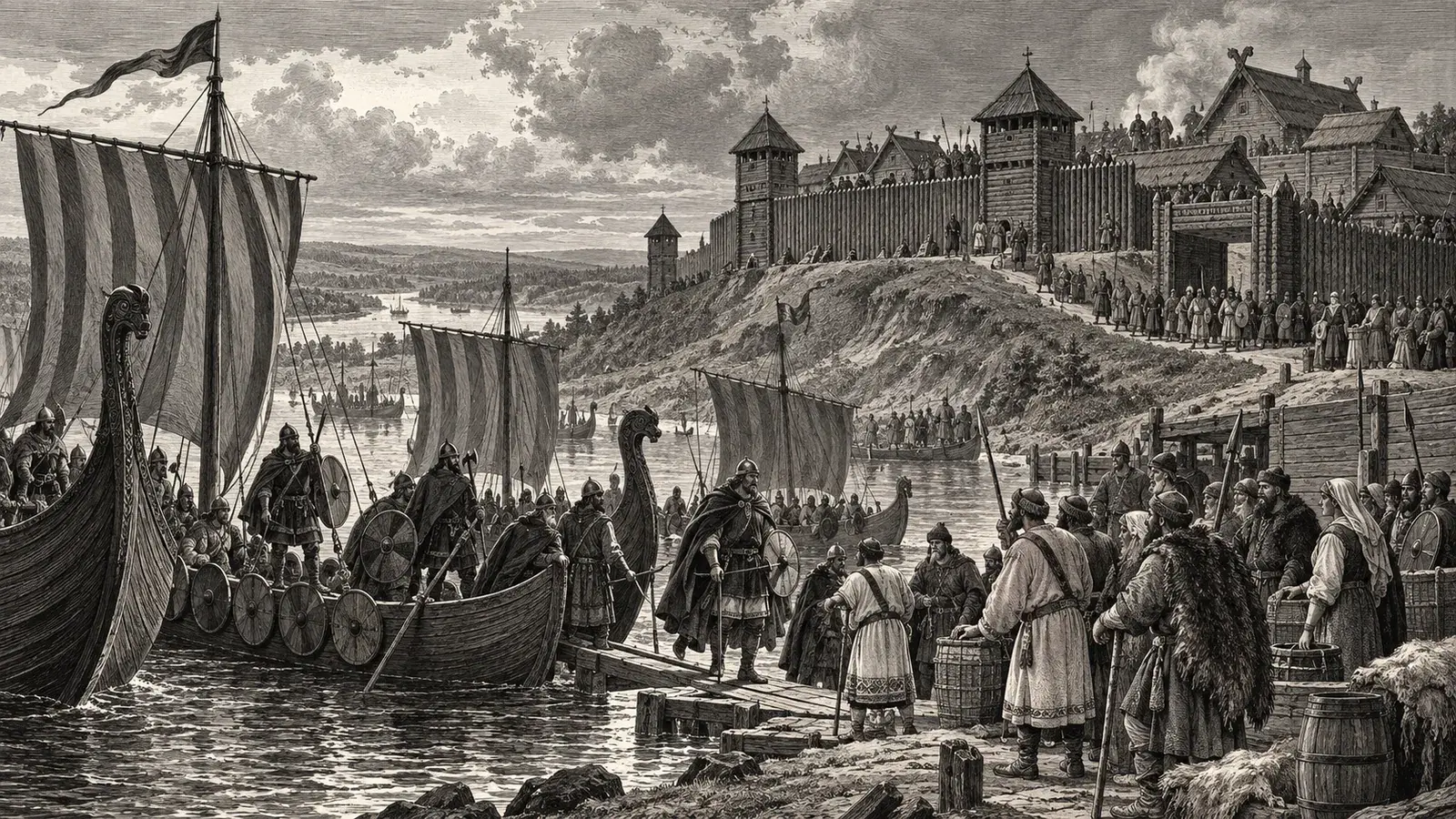
The mysterious Sea Peoples swept across the eastern Mediterranean around 1200 BCE, destroying cities and contributing to the collapse of the Hittite Empire and several other Bronze Age civilizations simultaneously.
After the Fall: Neo-Hittite States and the Long Aftermath
The end of the Hittite Empire was not quite the end of Hittite culture. In the aftermath of the collapse, smaller successor states formed across parts of Anatolia and northern Syria — often called Neo-Hittite kingdoms by modern historians. These states preserved elements of Hittite language, artistic tradition, and political culture for several more centuries, functioning as local powers in a world where the great empires of the Bronze Age had been replaced by new configurations of authority. But they were shadows of the original. One by one, they were absorbed into the expanding power of Assyria, which gradually extended its control across the regions the Hittites had once dominated. The land continued to be called the land of the Hatti for generations after the empire's fall, a linguistic echo of the civilization that had once ruled it — evidence that the memory of Hittite dominance persisted in the minds of their neighbors even as the knowledge of who the Hittites actually were began to fade. Eventually, even that echo went silent. The Hittites passed into the realm of biblical references and ancient footnotes, waiting underground in the ruins of Hattusa for the archaeologists of the nineteenth century to come and ask the question that the ancient world had somehow forgotten to answer: who were these people, and what did they build?
Why the Hittites Still Matter
The story of the Hittites is a reminder that history is not simply the story of the civilizations that survived long enough to tell their own tale. It is also the story of the civilizations that shaped the world and then disappeared — leaving their traces in other people's documents, in the ruins of cities buried under centuries of soil, in the clay tablets that only the persistence of fire and archaeology preserved. The Hittites gave the ancient world a model of imperial governance that balanced military power with diplomatic sophistication. They produced one of the earliest known legal codes. They created a system of international diplomacy — including that landmark peace treaty with Egypt — that established frameworks still recognizable in modern international relations. They were among the first cultures to develop iron-working on a significant scale, contributing to one of the most important technological transitions in human history. And they remind us, perhaps most powerfully, of the contingency of historical memory. The Hittites were not a minor culture that disappeared because they were insignificant. They were a superpower that disappeared because the circumstances of their collapse destroyed the infrastructure of their own record-keeping, leaving their story to be preserved — incompletely and imperfectly — by the very enemies and rivals they had spent centuries competing against. That they have been recovered at all is a tribute to the patience of archaeology and the persistence of inquiry. That they are still not as widely known as they deserve to be is simply an invitation to keep asking questions about the ancient world — because the answers, when they finally come, are almost always more interesting than the silence that preceded them.