The most famous image of Louis IX is not a battle scene. It is a man sitting on the ground under an oak tree in the forest of Vincennes, outside Paris, listening to whoever had come that day to present a case. His courtiers were not allowed to interfere. There were no lawyers, no formal proceedings, no delay. If a poor man had a grievance against a powerful man, he came to the oak tree and told the king. Louis listened. He decided. His decisions were fair — people noticed this. In an age when justice meant what your lord decided and your lord's interests were almost never identical to yours, a king who actually tried to be just was something new. He was twelve years old when he became king of France in 1226, which meant his mother Blanche of Castile governed as regent while he grew up. Blanche was formidably capable and devoted — perhaps overly devoted, since she raised Louis in a piety so intense it bordered on the physically self-destructive. He never entirely came out from under the influence of his religious formation, but he turned it into something that worked in public life rather than something that paralyzed him.
The oak tree at Vincennes became the defining symbol of Louis IX's approach to kingship — direct, accessible justice from a king who genuinely believed he would answer to God for how he had treated the weakest of his subjects.
The King Who Made Europe Embarrassed
The uncomfortable thing about Louis for his contemporaries was that he actually believed what everyone nominally professed. Medieval Christian kings were anointed with holy oil and ruled in the name of God and were expected to embody Christian virtues. Most of them managed this about as well as politicians today manage their campaign promises. Louis did the things. He visited lepers personally and washed their feet. He served food to the poor with his own hands. He fasted to the extent that his advisors worried about his health and eventually he damaged it permanently. He wore rough clothing under his royal garments. His court had a quality that contemporary observers found strange: he would not tolerate blasphemy. Anyone caught swearing in his presence was publicly humiliated. At meals he would not allow conversation that was not morally improving. His courtiers, many of whom had the normal range of 13th-century appetites, found this relentless. But they also could not argue with his effectiveness as a ruler. Under Louis, France was more peacefully governed than it had been for generations. His legal reforms strengthened the monarchy at the expense of the feudal barons. He arbitrated disputes between foreign kings — both England and Aragon submitted disagreements to his judgment — because his reputation for fairness was understood internationally. The Germans called him the father of the world. The English called him the only king worth following.
The Seventh Crusade: Egypt and Capture
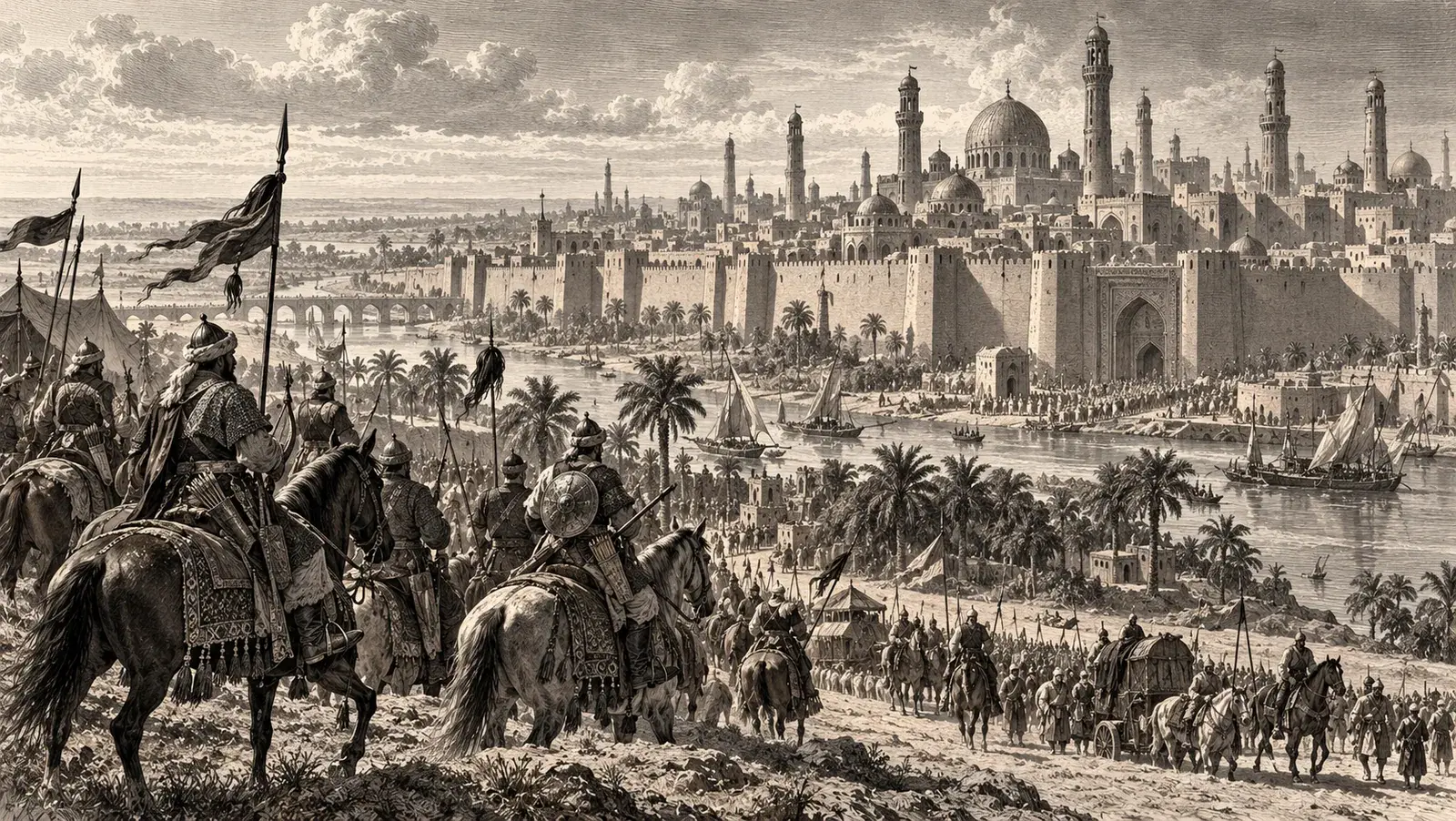
In 1244 Jerusalem fell to the Turks again. Louis took a crusading vow and spent years preparing — gathering money, building ships, assembling an army. He was meticulous about supply and logistics in ways that earlier crusaders had not been. The plan was to attack Egypt, which supplied the Crusaders' Islamic opponents, and negotiate a favorable peace from a position of strength. Louis landed at Damietta on the Egyptian coast in June 1249. The city surrendered almost immediately. So far, so good. Then the army sat in Damietta for months, waiting for the Nile flood to subside before it could advance. The delay was tactically sensible and militarily catastrophic in a way that nobody could see coming: it gave the Egyptians time to assemble their defenses. The march on Cairo began in November. Disease — the same plague that had ended the People's Crusade, the same grinding illnesses that had followed every large medieval army into Egypt — moved through the force steadily. At the town of Mansura, a cavalry charge led by Louis's brother Robert broke through the Egyptian lines brilliantly and then continued straight into the town, where the Egyptian army was waiting. Robert was killed along with most of his force. The army turned back toward Damietta in a retreat that became a rout. Louis was captured, ill with dysentery, barely able to stand. He negotiated his own ransom with complete dignity. He paid it — or France paid it — and he supervised the evacuation of his remaining men before he himself left Egypt. He went to the Holy Land afterward and spent four years there, rebuilding the defenses of the remaining Crusader cities. He came home in 1254 to find that his mother Blanche had died.
Louis IX's Seventh Crusade took Damietta but collapsed at Mansura in 1250. Louis was captured — ill with dysentery, barely able to stand — and ransomed for an enormous sum before being allowed to leave Egypt.
The Eighth Crusade and the Death in the Tent
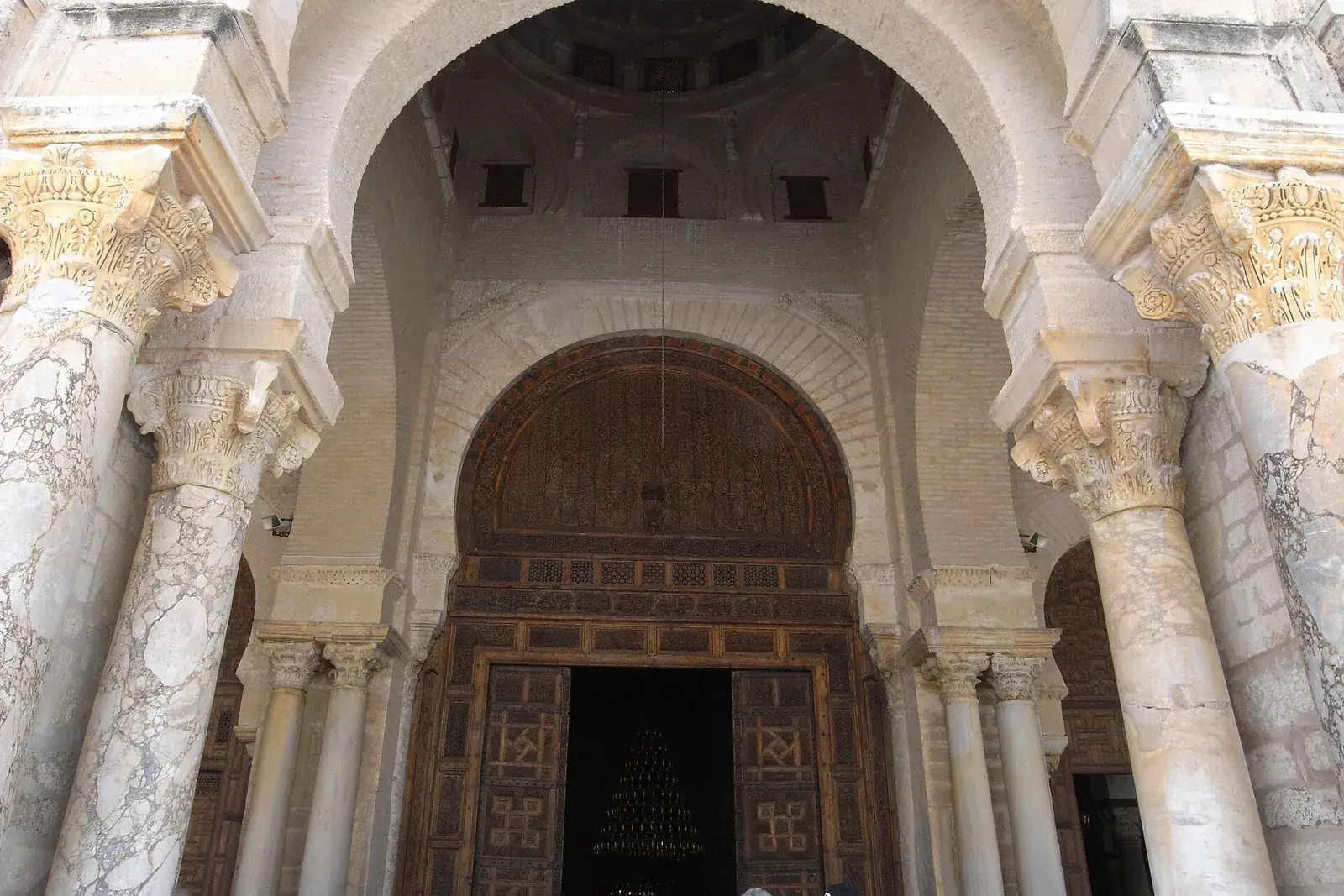
Louis governed France for sixteen more years after returning from Egypt. He was in his fifties now and his health had never recovered from the Egyptian campaign. He fasted still. He prayed for hours daily. His courtiers aged around him. In 1270, when he was fifty-six years old and visibly not well, he announced a second Crusade. His advisors and physicians said this would kill him. He said he was going anyway. The plan this time was to attack Tunis in North Africa, whose ruler was believed to be sympathetic to Christianity. The army landed in July 1270 in intense summer heat. Plague spread through the camp almost immediately. Louis fell ill. His health collapsed with the speed of a man whose body had no reserves left. By August 25, he had been moved to a bed of ashes and was unable to speak. He died in his tent outside Tunis, one of his last whispers reported as: Jerusalem. His body was boiled — standard medieval practice for transporting remains — and the bones brought back to Paris to be buried at Saint-Denis with the other kings of France. The Pope canonized him in 1297, twenty-seven years after his death. No other French king has ever been made a saint.