"The king! The king!" the Goths shouted, lifting their new ruler high on a shield so everyone could see him. His name was Alaric, and they'd carried him far from Rome, across the wide Danube, back to their own plains where the fresh mountain wind reminded them they were free. There were no Roman spies around to hear them now, so they could shout as loud as they liked.
Following an old custom, the Goths raised Alaric high on a shield so all could see the leader they hoped would free them from Roman control.
A Leader Trained by His Enemies
Alaric was a smart choice. He'd actually served in the Roman armies and risen to become a captain, learning how Rome fought from the inside. But he never forgot he was born a Goth, on an island in the Danube. By this point, Rome wasn't the mighty power it had been in Drusus's day. Its leaders had grown soft, content to sit in their palaces while strong barbarians fought their wars for them. The Goths had noticed. They'd stopped fearing Rome and started to scorn it. So they picked Alaric — a man who combined a Goth's strength with a Roman captain's skill — and his name seemed almost prophetic: Alaric was said to mean "All-ruler." An old record describes the start of his reign with a line full of meaning: the new king and his people decided they would carve out new kingdoms of their own rather than stay, out of laziness, as servants to others.
"Proceed to Rome"
Alaric led his people against Rome's eastern lands, and his name became a word of terror. Then, the story goes, he received a strange call while worshipping in a sacred grove — a voice repeating, "Proceed to Rome, and make that city desolate." He couldn't shake it. He marched his armies west across Europe and right up to the gates of Italy. Even his own warriors doubted he'd really attack Rome itself. At a council in the Alps, an old veteran begged him to turn back, warning that the city was protected by the gods. Alaric cut him off, declaring he would either rule as conqueror or die in the attempt. Then he led his army through the mountain passes and into Italy.
The City Brought to Its Knees
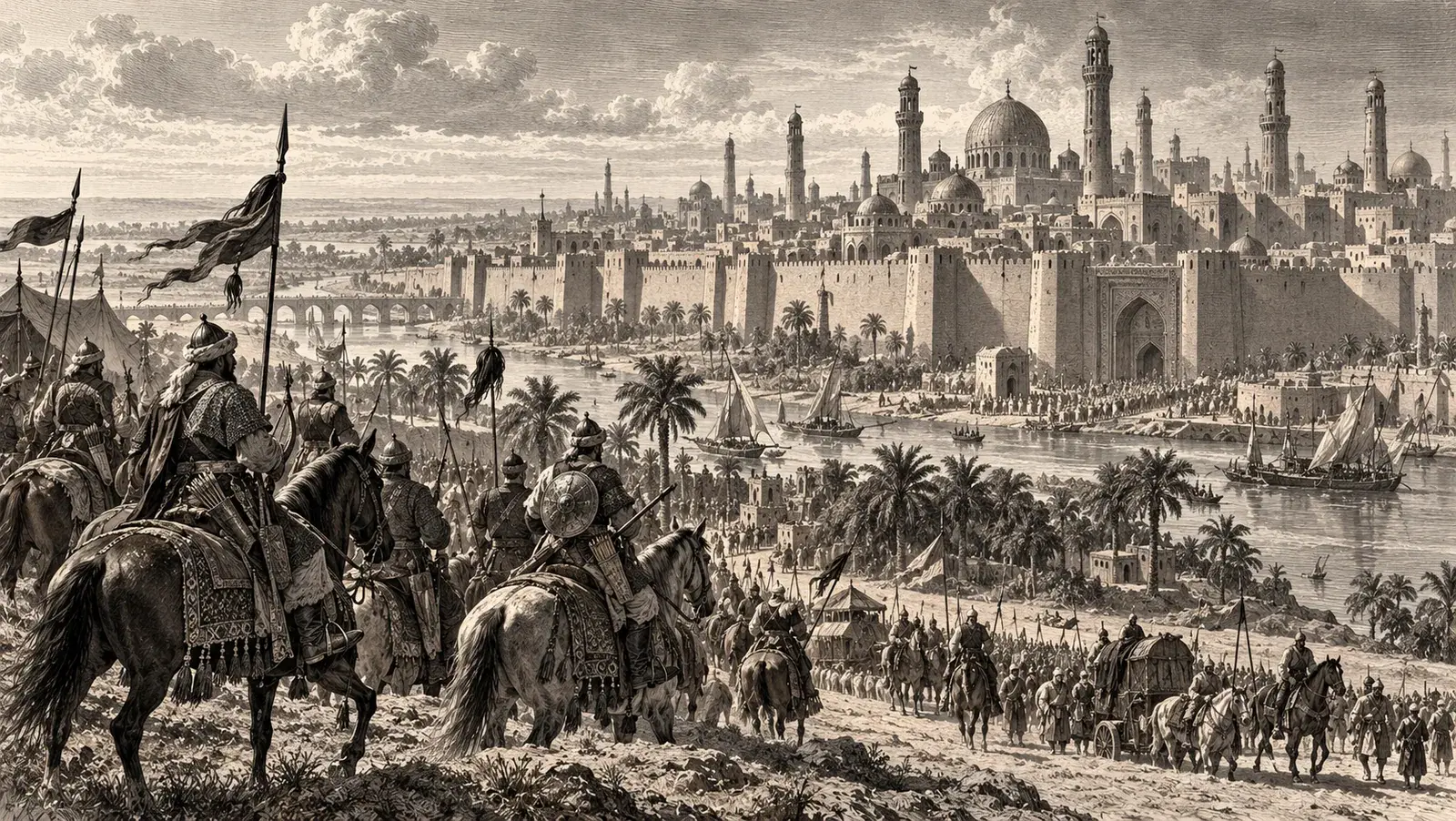
When the Goths reached Rome, the whole world was stunned. For six hundred years, Rome had ruled as the center of everything. The idea that fur-clad outsiders could stand at its gates felt, to Romans, like the sky falling. Alaric's army surrounded the city and blocked all food from getting in. Day after day, the Roman senate watched the horizon for help from the emperor's army. None came. Food was rationed down to a fraction. Finally the proud nobles sent messengers to Alaric, warning that the Roman people were armed and ready to fight. Alaric just laughed and answered with a Gothic saying: "The thicker the grass, the easier mown." His price for sparing the city was steep: all the gold and silver, all the movable treasure, and all the slaves of barbarian origin. "But if you take all that," one Roman asked, "what do you leave for the citizens?" Alaric replied with a grim smile, "Your lives."
Alaric's Goths surrounded Rome and cut off its food supply, something no enemy had managed in six centuries.
Gold, Silver, and Pepper
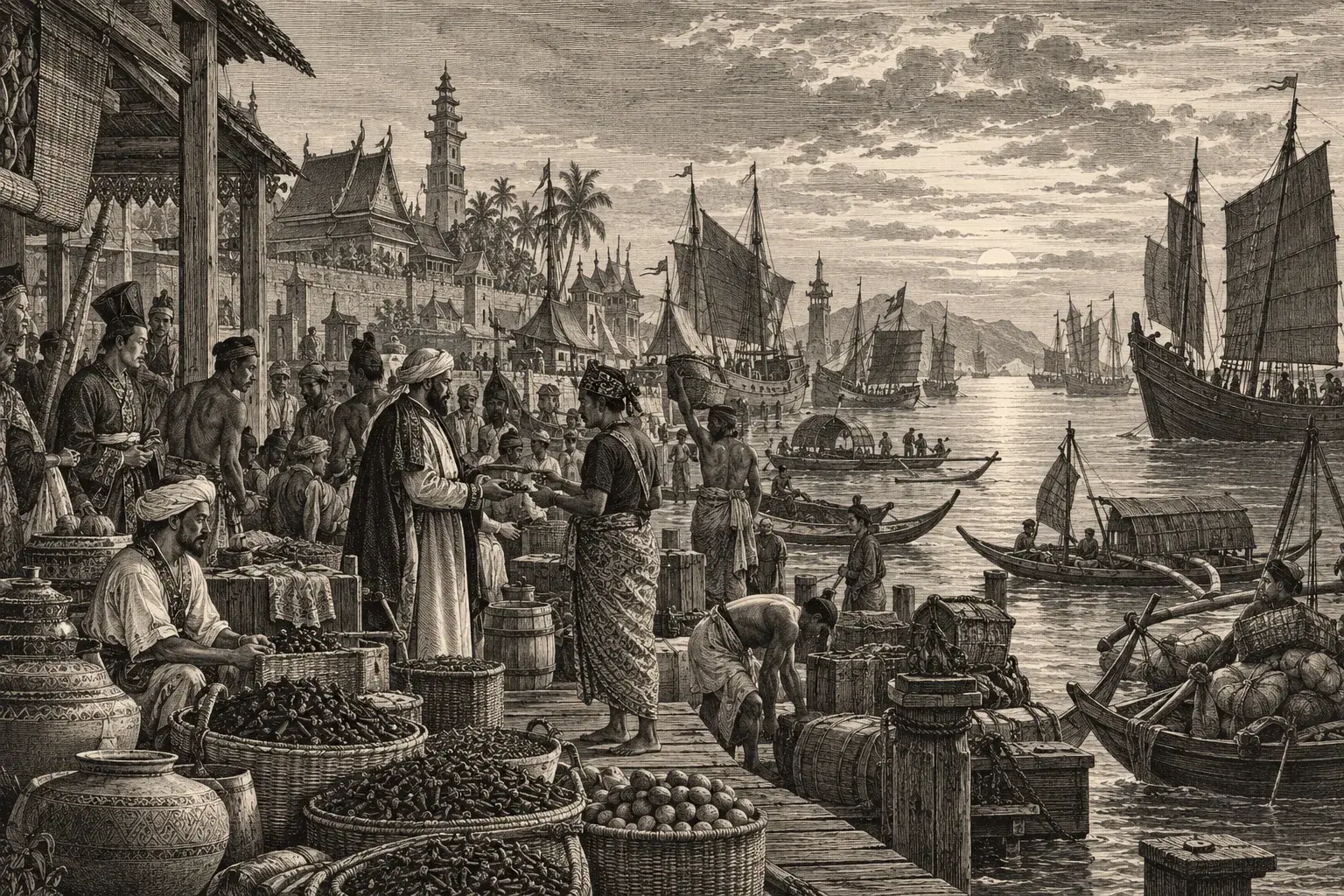
After a failed last-minute attempt to call on their old gods, the Romans gave in and worked out the ransom. The final list is oddly specific: five thousand pounds of gold, thirty thousand pounds of silver, four thousand silk tunics, three thousand scarlet-dyed hides, and three thousand pounds of pepper — a pricey luxury shipped all the way from India. To gather enough gold, the Romans even melted down statues of their own gods. The story goes they also melted a statue called Valor, the symbol of Roman courage — and that from that day, courage drained out of the Romans for good. With his treasure loaded onto carts, Alaric left without entering the city. No blood had been shed.
The Second Time, and a Secret Grave
Strangely, even after conquering Rome by force, Alaric still respected its name. He asked the emperor to simply grant him and his people some land to settle. The emperor stalled for two years, making promises and breaking them, until finally Alaric had had enough. This time he didn't bother with a siege. The Goths broke open the gates and poured into Rome. Alaric gave orders that were surprisingly merciful — no sacred buildings destroyed, anyone in a church kept safe, lives spared where possible. The Goths stayed only three days. What made the event so shocking wasn't the damage, but the fact that Rome, the heart of the civilized world, could be taken at all. Then, in southern Italy, before he could finish his plans, Alaric suddenly died — possibly of fever. His grief-stricken people buried him in an unforgettable way. They forced their captives to build a dam and turn a river out of its course. In the dry riverbed, in the dead of night, they buried Alaric with his treasures. Then they let the water flow back over the grave — and killed the captives, so no Roman would ever know where their great king lay. He died in the year 410, the first leader to truly sound the alarm that the Roman Empire was falling.
To hide Alaric's grave forever, the Goths diverted a river, buried him with his treasure in the dry bed, and let the water flow back over the spot.