Athanaric the Goth lived through some of the wildest times in history. He was born on Gothic soil and raised to hate everything Roman — yet he was destined to die in a Roman city and be given a funeral so grand that it pulled his people into a close friendship with Rome. Few stories take a stranger turn. It all started with rumors from the east.
The Huns fought from horseback and moved astonishingly fast — eating, drinking, and even sleeping on their horses — which made them seem unstoppable to the people in their path.
Rumors of a People "Fast as the Wind"
Word reached Athanaric of a savage people from the east who were destroying the homes of Gothic relatives hundreds of miles away, in the lands north of the Black and Caspian Seas. At first he couldn't believe it. How could anyone beat those tough warrior tribes? A year later, the reports came faster. A frightened chief traveled twenty days just to ask Athanaric for help if the Huns kept coming west. Athanaric scoffed. The Huns were still hundreds of miles away, he said. Surely they'd be stopped long before then. "Ah, but they come like the wind, those Huns," the chief replied. "Night and day they live on their horses. They eat and drink on horseback. They even sleep on them and travel through the night." Athanaric called the man a coward, ashamed that a fellow Goth could be so scared.
The "Witch People"
Then the chief explained the real reason for his terror. The Huns, he said, weren't even fully human. People believed they were a witch people, born from witches and evil spirits. Their faces were so frightening, the story went, that even the bravest men would turn and run rather than look at them. And there was supposedly no stopping them, because an evil spirit was guiding them forward. There was even a legend about how they first reached Europe. The Huns came to a strip of water that separated Asia from Europe and almost turned away. But a deer appeared and waded into the water, looking back as if inviting them to follow. They did — and discovered the water was shallow enough to cross. To the frightened Goths, that proved a spirit had led them, and that no human power could send them back. Athanaric laughed off the whole tale. The chief, he said, was bewitched by his own foolishness.
"The River! The River!"
Soon Athanaric couldn't laugh anymore. His own valleys filled with crowds of men, women, and children fleeing the terror behind them. Whole tribes had panicked. Their cry was always the same: "The river, the river! On the other side of the river we'll be safe." "But the Romans live on the other side," Athanaric and his people warned them. "They're your enemies. They'll make you slaves." The fleeing tribes didn't care. Slavery under Rome scared them less than the Huns did. To cross into Roman territory, refugees had to hand over every weapon they owned. Many were forced to give up their sons and daughters to be sold in slave markets. It was a heartbreaking choice, but they made it anyway. Even the proudest Goths, famous for their long hair as a sign of freedom, lost everything when they reached the Roman side.
Whole tribes fled toward the river in panic, willing to risk Roman slavery rather than face the Huns — a desperate migration that reshaped the borders of Europe.
The Last Holdout Gives In
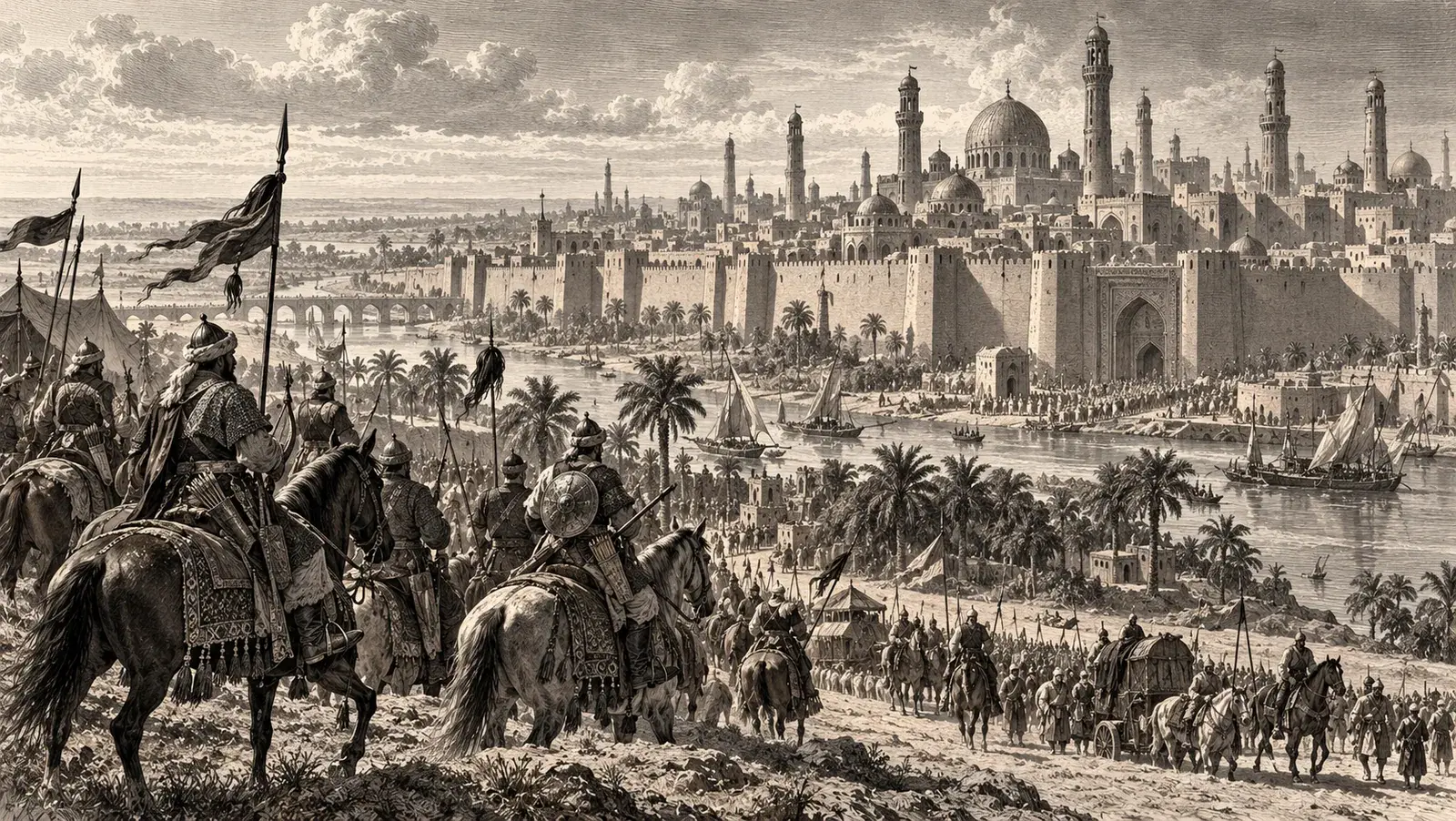
Athanaric fought the Huns again and again, more bravely than almost anyone. But he kept losing ground, getting pushed deeper into the mountains. Other Gothic tribes, jealous of his lands, turned against him. Caught between the Huns on one side and his own angry kinsmen on the other, the proud old chief was running out of options. That was Rome's moment. A new emperor sent an honorable offer of friendship and a fair treaty. Athanaric resisted for a long time, but his exhausted people begged him to accept. He was old and tired of war. The promise to his father had faded with the years, and he told himself that the Huns had changed everything — that his father would have done the same. So Athanaric crossed into Roman territory at last. The emperor rode out miles to greet him with a royal escort. Gazing at the great city of Constantinople — its harbors crowded with ships, its towering walls, its busy streets full of people from many nations — the old man was stunned. "Now I see with my own eyes what I once refused to believe," he said. He died just a few months later, and the emperor gave him a magnificent funeral, riding before his body in royal purple robes. It worked exactly as the old chief's father had feared all those years ago. The Goths were so honored by the grand funeral that they slipped into a closer alliance with Rome than ever before, scattering across the empire to fight Roman battles. It would take a whole generation, and a new leader named Alaric, before they found their own path again.