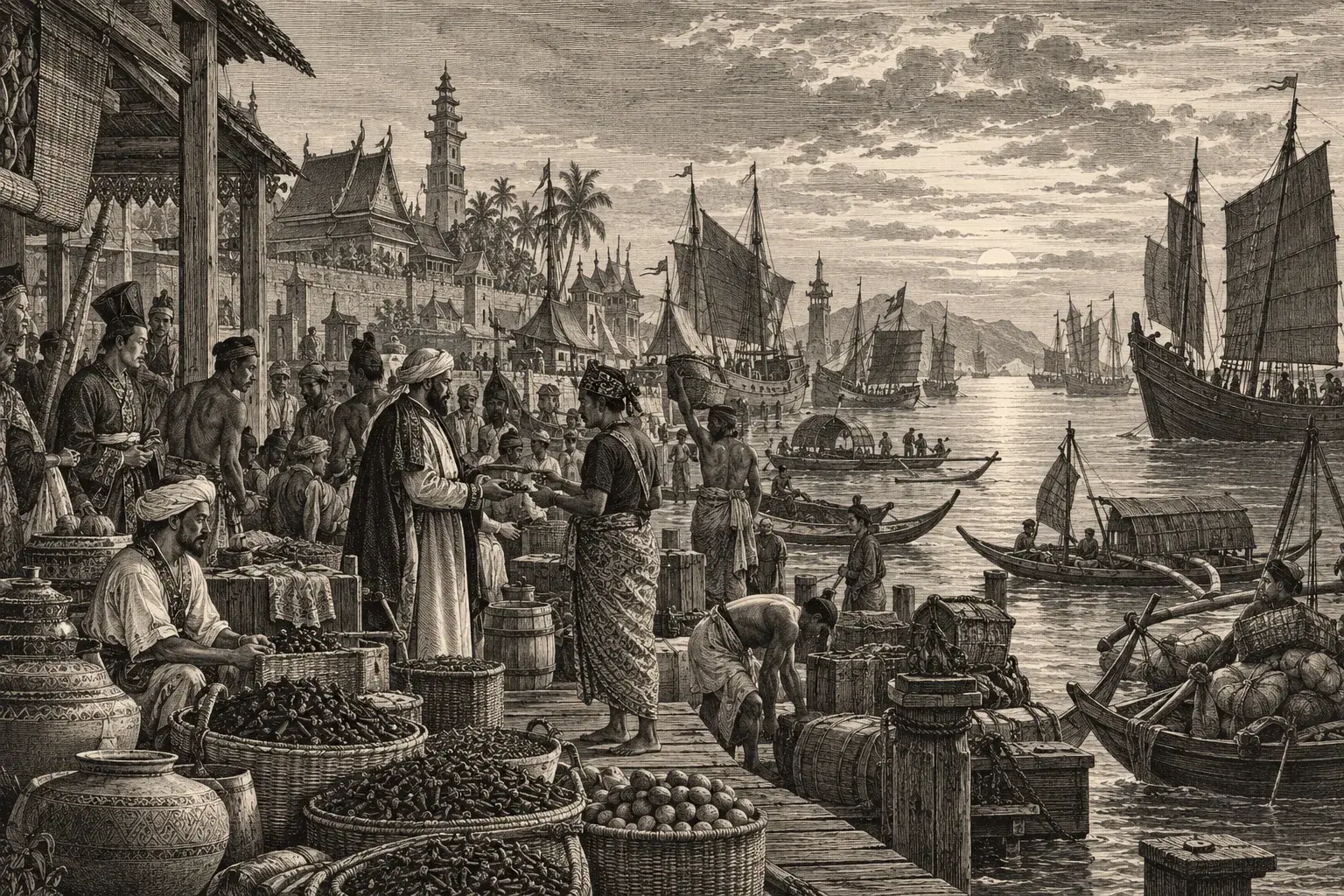
Before he became a prophet, Mohammed was a very good caravan manager. That is not a minor point. The qualities that made him trusted with other people's goods and money — honesty, reliability, the kind of consistent character that makes merchants willing to hand you a fortune and walk away — were the same qualities that made people listen when he started saying things they had never heard before. He had earned the right to be taken seriously before he ever claimed a divine mission. Mohammed was born in Mecca in 570 AD. His parents died when he was a child. His uncle Abu Talib, a kindhearted man, took him in and raised him. He grew up caring for the sheep and camels, going on trading journeys with his uncle across Arabia, becoming first a skilled camel driver and then someone the traders trusted with real responsibility.
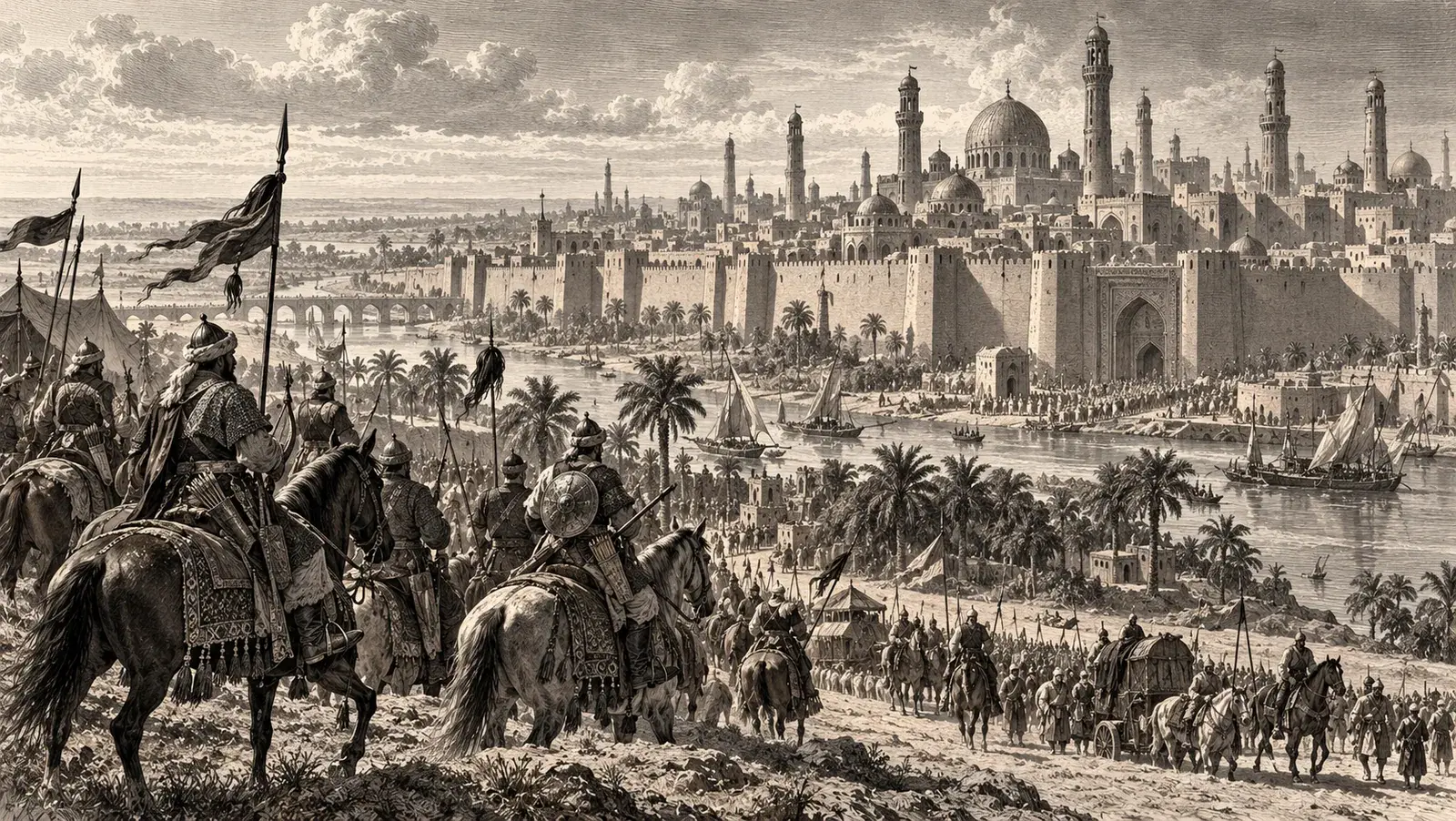
Mohammed began preaching in Mecca around 610 AD, attracting first a handful of followers including his wife Khadijah. Within a generation of his death in 632 AD, his followers controlled territory from Spain to the borders of India.
El Amin: The Truthful
By the time Mohammed was sixteen, his reputation had spread among the merchants of Mecca. He always told the truth. He never broke a promise. When he said he would do something, he did it. The traders gave him important business to handle and trusted him with large sums of money — remarkable for someone so young. He would lead caravans sixty-five miles to the port on the Red Sea, sell the goods, and return the money faithfully to the owners. People called him El Amin, the Truthful. At twenty-five, he was approached by a wealthy widow named Khadijah, who had heard of him among the traders and wanted him to manage her caravans. He accepted. He served her well. They developed a deep respect for each other, then affection, and eventually they married. She was older than him and considerably wealthier. The marriage was, by all accounts, a genuine partnership. Now that he had economic security, Mohammed had time to think.
The Cave on Mount Hira
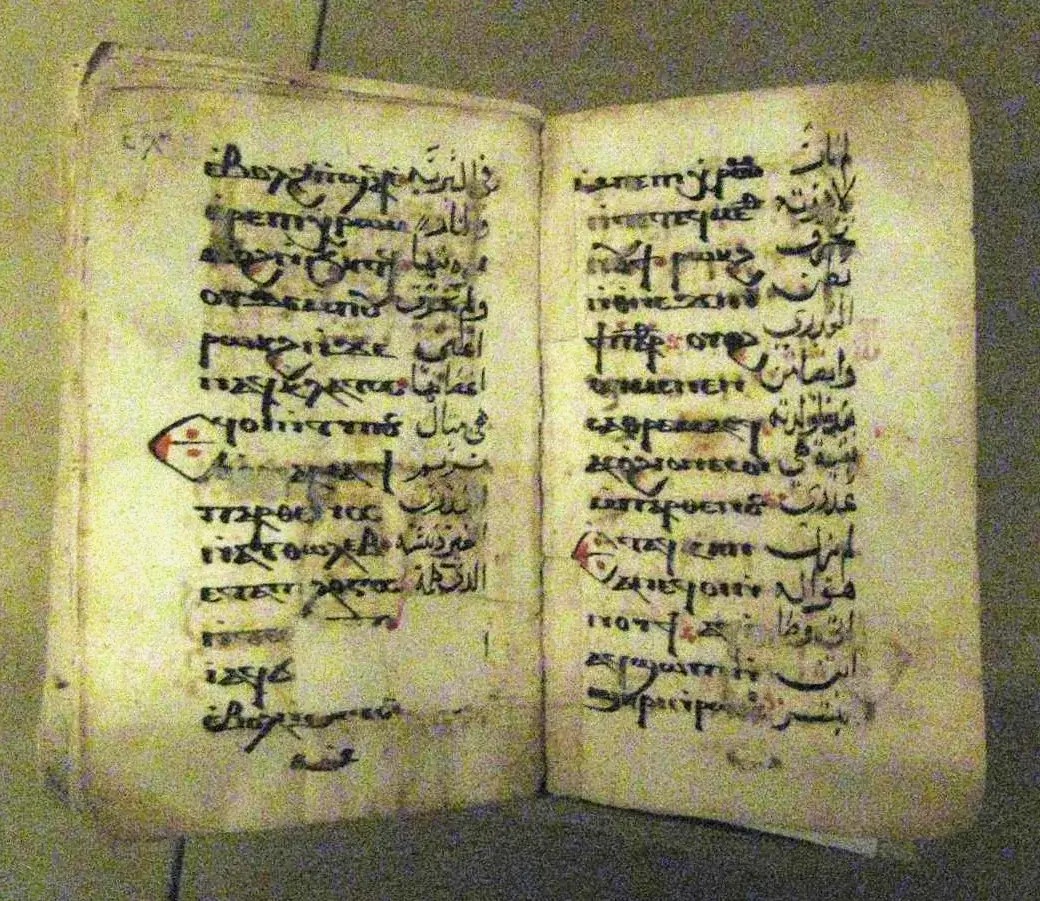
Mohammed had never been satisfied with the religious options available to him. Most people in Arabia worshipped idols. He had learned what he could about Judaism and Christianity during his trading travels but found neither fully satisfying. He was drawn to something simpler: one God, uncompromised, without partners or intermediaries. He began spending several weeks each year in a cave on Mount Hira outside Mecca, praying and meditating. He could not read. He could not write. What he received in that cave — or what he believed he received — he committed to memory and had others write down afterward. The result was the Quran, the sacred text of Islam. Mohammed said that the angel Gabriel had appeared to him and revealed the religion he was to teach. He brought the news home to Khadijah first. She believed immediately and fell on her knees at his feet: There is but one God. Mohammed is God's prophet. She was the first Muslim. He then told other family members. Some believed. Some laughed at him. He began preaching in the market and other public places in Mecca. Most people thought he was a dreamer or a fool. A few poor people and some slaves believed him and joined what was still a tiny movement.
The Flight to Medina: Year One of a New Calendar
As his following grew, the opposition in Mecca grew with it. The dominant tribe of Mecca — Mohammed's own tribe — was among the most bitter against him. They threatened to kill him. Khadijah died. His uncle Abu Talib died. Without those protections, Mohammed's position in Mecca became dangerous. The city of Medina, roughly 300 miles to the north, had a substantial community of believers who wanted him to come live among them. In 622 AD, Mohammed secretly left Mecca with a few companions and fled to Medina. This event — the Hijra, or Flight — became the starting point of the Islamic calendar. All Muslim years are counted from the Hijra. The man who could not convince his own city became the ruler of another one. In Medina he built the first mosque, organized his followers, and began the military campaigns that would bring all of Arabia under his authority. He marched on Mecca with an army of ten thousand in 630 AD, and the city surrendered with almost no resistance. The people converted and destroyed their idols. Mohammed died in Medina in 632 AD, in the mosque where he had led prayers for years. He was buried there. Medina and Mecca remain the two holiest cities in Islam, visited each year by millions of pilgrims from every country in the world.
The Religion He Left Behind
The core of what Mohammed taught was the unity of God and the obligation to submit to God's will. Islam means submission. A Muslim is one who submits. The five daily prayers, the pilgrimage to Mecca, the fasting of Ramadan, the charitable obligations — all of these practices were meant to keep that submission alive in daily life rather than confining religion to occasional ceremonies. The Great Mosque in Mecca, which Mohammed made the center of Islamic worship, holds 35,000 people in its main enclosure. At its heart is the Kaaba, a cube-shaped building that predates Islam, which Mohammed converted from a pagan temple into the focal point of the new religion. Inside one corner is the Black Stone, which pilgrims have touched and kissed for fourteen centuries. The stone is said to have come from heaven and to have darkened from the tears and hands of millions of pilgrims over the generations. Every Muslim who can afford to make the hajj — the pilgrimage to Mecca — is required to do so at least once in a lifetime. Wherever a Muslim prays, anywhere in the world, they turn to face Mecca. The man who started as a caravan manager and could not read or write reshaped the world more thoroughly than most rulers who commanded armies and empires.