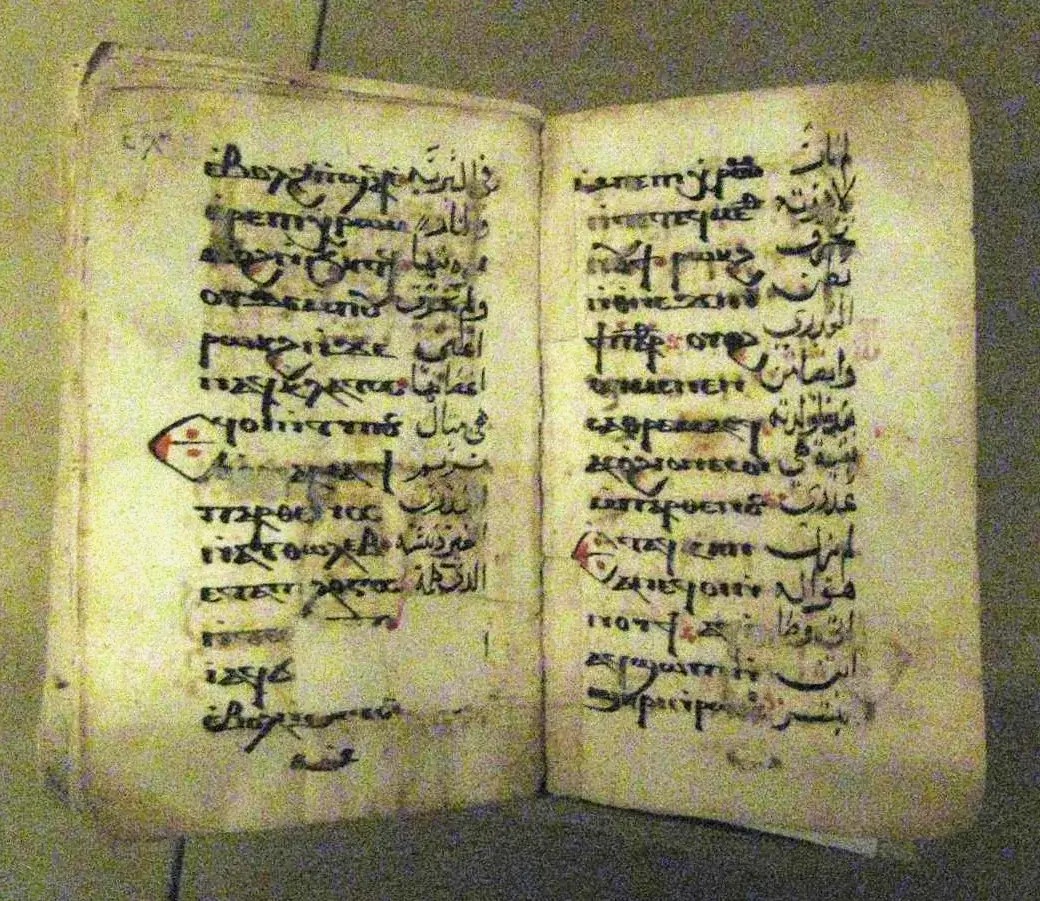
Around the 12th century, a poet whose name we do not know sat down and wrote the story that Germanic tribes had been telling each other for centuries. He called it the Nibelungenlied — the Song of the Nibelungs — and it became the national epic of Germany in the same way the Iliad belongs to Greece and the Mahabharata belongs to India. The stories in it are older than the poem. Much older. They reach back to the age of Attila the Hun and the great migrations that tore the Roman world apart. The names changed as they traveled from one generation to the next, and the gods were gradually replaced by heroes, but the bones of the thing stayed intact: a great warrior, a cursed treasure, a love story that cannot end well, and a revenge that destroys everyone it touches.
The Nibelungenlied — written in 12th-century Germany from centuries of oral tradition — follows Siegfried the dragon slayer, the cursed Nibelung hoard, and a revenge plot that leaves almost everyone dead.
Who Were the Nibelungs?
The Nibelungs were northern dwarfs — their king had once possessed a treasure of gold and precious stones so vast that a hundred wagons could not carry it. He lost it. The treasure passed to whoever possessed it next, and with it came a curse. The poem follows what happens to the people unlucky enough to get their hands on this hoard. Whoever owns the gold is followed by disaster. The treasure is the engine of the plot, driving jealousy and murder and revenge from one generation to the next until there is almost nobody left.
Siegfried: The Hero Nobody Could Kill
Prince Siegfried of Netherland was the kind of warrior about whom stories accumulate without anyone trying to start them. He had killed a fierce dragon and bathed in its blood, which turned his skin to horn — no sword or spear could pierce him. He had come across the two sons of the Nibelung king arguing over their father's treasure and had divided it fairly, only to have them attack him when the division was done. He killed them both in self-defense, then defeated the dwarf guardian Alberich, took his cap of darkness (which made the wearer invisible and gave them the strength of twelve men), and locked the treasure away in its mountain cave with Alberich set to guard it. By the time Siegfried rode toward the court of King Gunther of Burgundy, the man who recognized him most quickly was Hagen, the king's uncle, who listed his exploits from memory. The people at the gates of Worms were wondering who the stranger was. Hagen already knew. You do not mistake a man whose skin cannot be cut. Siegfried had come for Gunther's sister, Kriemhilda. He stayed at the court for a full year, fighting on Burgundy's behalf against the Saxons and Danes, never once stating his purpose, never once seeing the woman he had come to find. When King Gunther finally asked Kriemhilda herself to welcome the victorious Siegfried, she kissed him and that was more or less the end of Siegfried's freedom of choice.
Siegfried's slaying of the dragon and bathing in its blood made him effectively invincible — except for one small spot on his shoulder where a fallen leaf had rested during the bath, which only his wife Kriemhilda knew about.
Brunhilda, the Queen No Man Could Defeat
Far across the sea in Iceland there was a queen named Brunhilda who had set conditions for any man who wanted to marry her. He had to surpass her in three contests: the broad jump, the spear throw, and the stone pitch. Her shield was so heavy that four strong men were needed to lift it. Three men could barely carry her spear. The stone she threw could just barely be lifted by twelve. Any man who failed a single contest lost his life. King Gunther wanted her. He was not strong enough to beat her. Siegfried was. The arrangement they made was this: Siegfried put on the cap of darkness and became invisible, standing beside Gunther throughout every contest. When Brunhilda threw her spear against Gunther's shield with such force that sparks flew from the steel, the unseen Siegfried absorbed the impact and threw it back so hard she confessed herself beaten. The second and third contests went the same way. Brunhilda had to accept the result — Gunther had won, or appeared to have won — and agreed to become his wife. The price Siegfried asked for this service was Kriemhilda. Gunther agreed. Both marriages took place when the party returned to Worms.
The Quarrel That Changed Everything
Years later, Brunhilda and Kriemhilda quarreled. This is the moment the entire poem has been building toward without either the characters or the reader quite realizing it. The quarrel was about rank — which queen's husband was greater. Kriemhilda let slip what she knew: that Brunhilda's husband was not really the man who had won her in Iceland. Siegfried had done it while invisible. Gunther had taken the credit. Brunhilda had been deceived. Hagen took Brunhilda's side. He began working to destroy Siegfried, but Siegfried could not be wounded except in one spot — a place on his back where a falling leaf had rested during his bath in the dragon's blood. Only Kriemhilda knew where this spot was. Hagen told her that a battle was coming and persuaded her to mark the spot on Siegfried's garment with a small silk cross so that Hagen could protect him in the fight. No battle was fought. What happened instead was a hunting trip. Siegfried won a footrace. Afterward, hot and thirsty, he knelt to drink from a spring. Hagen took a spear and drove it through the cross into the hero's back. Thus the treasure of the Nibelungs brought disaster to Siegfried. They buried him with ceremony, and Gunther and Hagen told Kriemhilda that robbers in the wood had killed her husband. She knew better.
Kriemhilda's Revenge: A Feast That Ends in Massacre
Kriemhilda stayed in Worms with a thousand of Siegfried's knights, waiting. Hagen, fearing she would use the Nibelung treasure to buy loyalty and turn the people of Burgundy against him, seized the hoard and sank it in the Rhine. He intended to enjoy it himself someday. She waited years. She married Attila the Hun — the man the whole known world called the Scourge of God — because she believed his power and his sword, said to be the sword of Tiew the war god, could be turned against Gunther and Hagen. Eventually, she and Attila invited Gunther's entire court to a grand festival. Hagen was afraid to go. He knew she had not forgiven Siegfried's death. He knew exactly what kind of woman Kriemhilda had become in the years since the funeral. They went anyway, with ten thousand knights as a bodyguard. The feast ended in a massacre that took days. Nine thousand Burgundians were seated at the banquet when Attila's brother arrived with a thousand armed men and a quarrel was picked. The fighting spread. Thousands died. When it was finally over, Gunther and Hagen alone were left alive among all the knights of Burgundy — and then they too were taken and bound and brought before Kriemhilda. She ordered Gunther's head cut off. She cut off Hagen's head herself, with Balmung — Siegfried's own sword. Of all the Nibelungs who rode into the land of the Huns, one man survived to return to Burgundy. The gold stayed at the bottom of the Rhine.
Siegfried's murder set Kriemhilda on a revenge path that would end with her marrying Attila the Hun and arranging a feast that killed nearly every Burgundian knight she had ever known.
Why the Nibelungenlied Still Matters
Wagner built his Ring Cycle on this material and the operas took him twenty-six years. Tolkien absorbed pieces of it into his own mythology. The cursed ring, the dragon's hoard, the hero with a single vulnerable spot, the gold at the bottom of a river — these images passed from Teutonic storytelling into Western literature and never really left. What makes the Nibelungenlied interesting beyond its influence is its emotional logic. Nobody in it is simply good or simply evil. Kriemhilda's revenge is completely understandable and completely catastrophic. Hagen is loyal, intelligent, and a murderer. Gunther is weak but not heartless. Even Brunhilda, who triggers everything, is a woman who was deceived by the people she trusted. The cursed treasure is the point. The gold does not make anyone evil. It just reveals what was already there, waiting for a reason to come out. That is the oldest and most durable kind of story.