Long ago, between the great civilizations of Persia, China, and India, there was a land called Sogdiana. Today, this area would cover parts of Uzbekistan, Tajikistan, Turkmenistan, Kazakhstan, and Kyrgyzstan. It might look like a quiet part of Central Asia now, but in ancient times it was one of the most important crossroads in the world. Empires fought to control it, traders traveled through it, and different cultures met and mixed there. Whoever ruled Sogdiana had control over one of the main gateways between East and West.
Sogdiana Civilization
From Persia to Alexander the Great
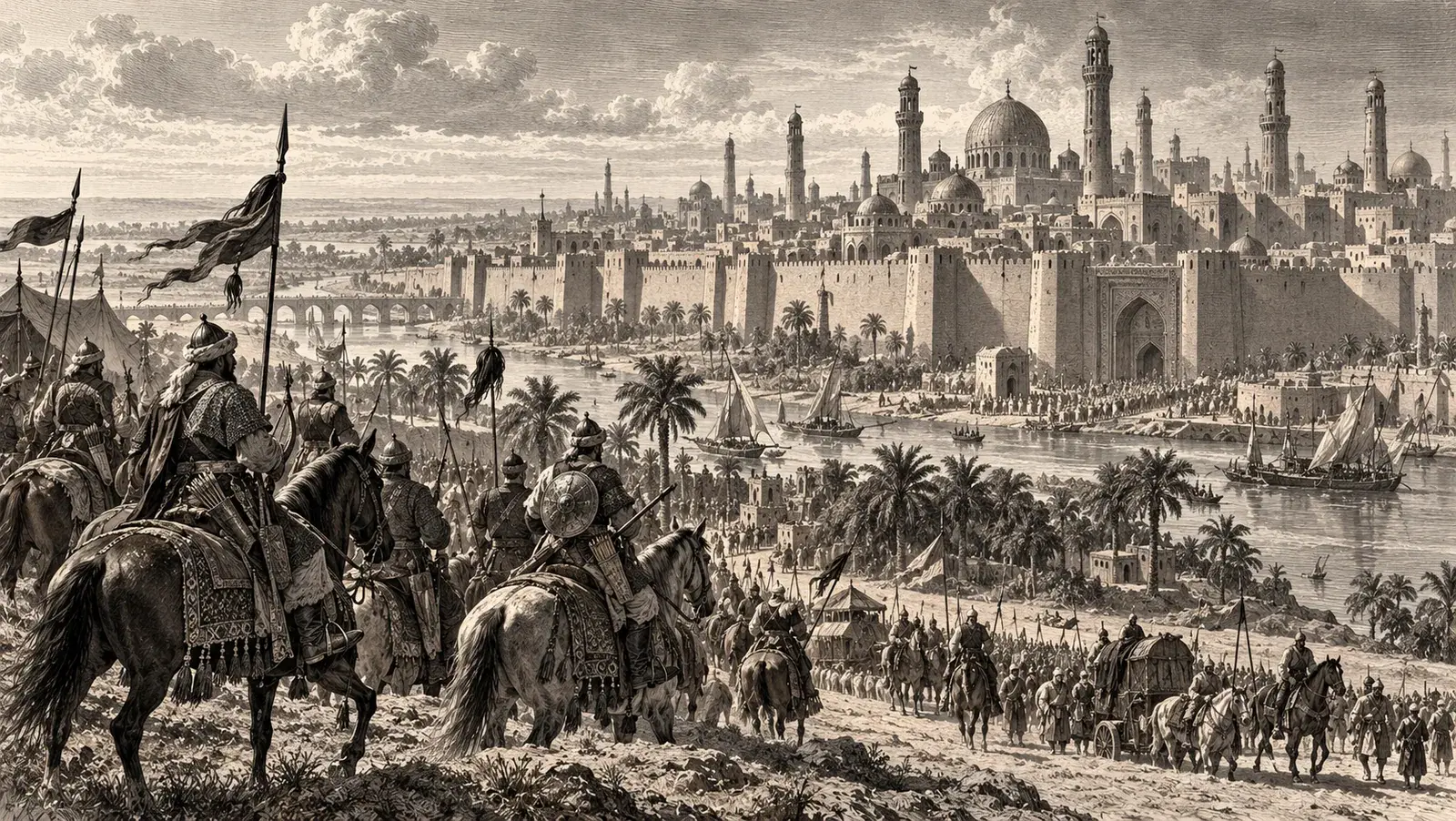
Sogdiana first became famous around the 6th century BCE when Cyrus the Great, the founder of the Persian Empire, conquered it. For the Persians, Sogdiana was valuable—it provided soldiers and paid taxes to the empire. The Sogdians were known for being brave warriors, fighting for Persian kings like Darius I and Xerxes. But Persia didn’t control it forever. In 328 BCE, Alexander the Great came from the west to take over the region. The Sogdians didn’t give up easily. Their leader, Spitamenes, fought fiercely using hit-and-run tactics that made Alexander’s campaign very difficult. In the end, Alexander won the region not just by fighting, but by making peace through marriage. He married Roxana, the daughter of a Sogdian nobleman, bringing Greek and Sogdian cultures closer together. After Alexander’s death, many other empires ruled Sogdiana—first the Seleucids, then the Greco-Bactrians, Kushans, Sasanians, Hephthalites, and Turks. Each group left its mark, bringing new art, languages, and religions. By the 700s CE, Muslim armies arrived and made Sogdiana part of the growing Islamic world. The region became an important place for learning, trade, and culture.
Battle scene between Alexander the Great and Sogdian warriors in Central Asia.
Samarkand
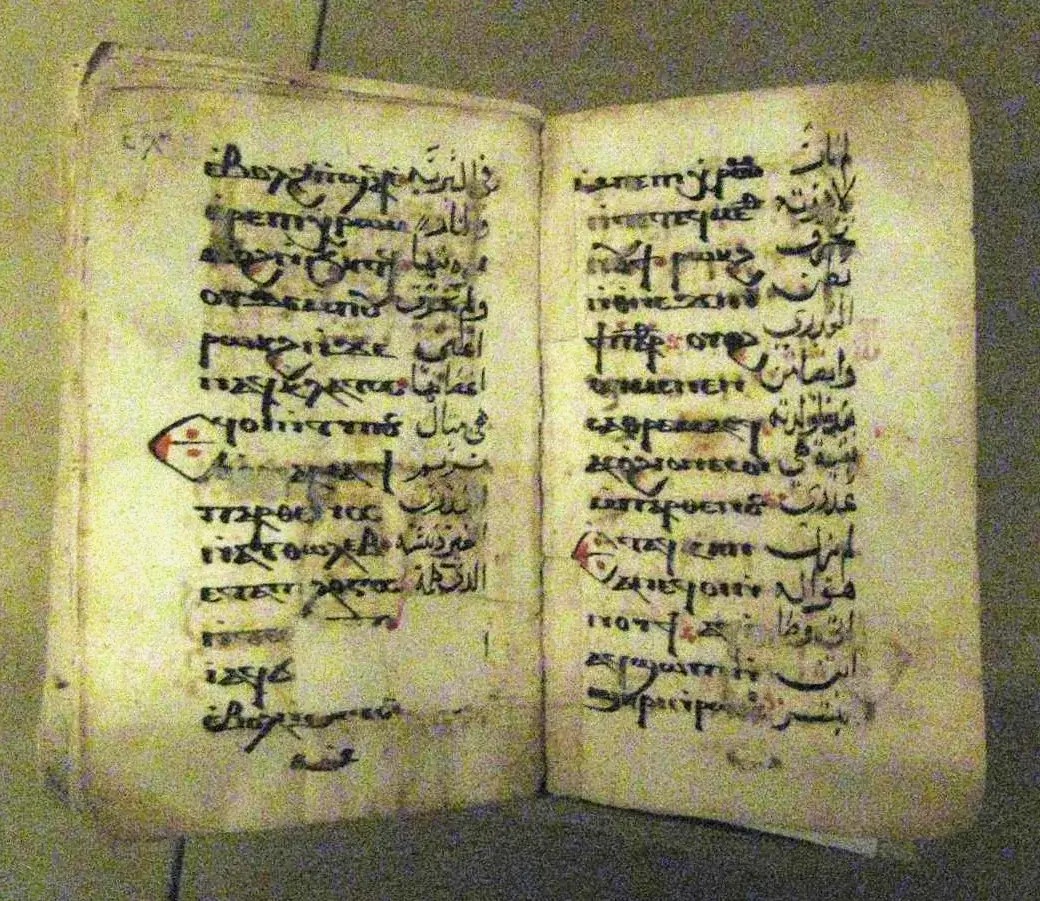
The most famous city in Sogdiana was Samarkand. Even thousands of years ago, it was a busy and rich center for trade. The Zeravshan Valley, with its fertile soil, made it possible for farms and towns to thrive there. Later in history, Samarkand would become one of the greatest cities in the world, but even in ancient times it was already a cultural gem. The people of Sogdiana spoke the Sogdian language, which was part of the Iranian language family. This language became one of the main trade languages of the Silk Road. Traders, diplomats, and rulers across Central Asia used it to do business. Over time, the language disappeared as people began speaking New Persian, but a small group in Tajikistan still speaks a related language called Yaghnobi today.
The Great Sogdian Traders
The Sogdians were amazing travelers and traders. While most merchants on the Silk Road only traded goods over short distances, the Sogdians built trade routes that stretched all the way from Samarkand to China—about 1,500 miles! They set up communities in many cities, from Chang’an (now Xi’an) in China to Byzantium (modern-day Istanbul) in the west. They didn’t just move goods like silk and spices—they also shared ideas, religions, and art wherever they went. Some even worked for the Chinese Tang dynasty, becoming trusted advisors and diplomats. The explorer Zhang Qian first introduced China to Central Asia during the Han dynasty in the 2nd century BCE. After that, trade between China and the western lands grew quickly. The Sogdians became the middlemen between Han China and the Parthian Empire, helping goods and information flow between the two worlds. By the 4th century CE, Sogdian had become the main language of trade across Central Asia.
Sogdian traders leading a camel caravan across the Silk Road desert.
Many Religions, One Land
Because of their location, the Sogdians came into contact with many cultures and beliefs. Over time, they practiced Zoroastrianism, Buddhism, Manichaeism, and even Christianity. The variety of religions in Sogdiana showed how open and connected the region was. In the ancient Zoroastrian holy book, the Avesta, Sogdiana is mentioned as one of the good lands created by the god Ahura Mazda. Archaeologists have found remains of old cities in the area, such as Sarazm in Tajikistan, dating back to the 4th millennium BCE—showing that people lived, farmed, and traded there thousands of years before the great empires appeared. Later, towns like Kök Tepe in Uzbekistan showed signs of advanced building and craftsmanship. When Islam arrived in the 8th century, most Sogdians gradually became Muslim. By the end of the Samanid Empire in 999 CE, the old Sogdian religion and language had mostly disappeared, replaced by New Persian and Islamic culture. Still, their influence lived on in art, architecture, and traditions that shaped the region’s identity.
The Silk Road and the Sogdians
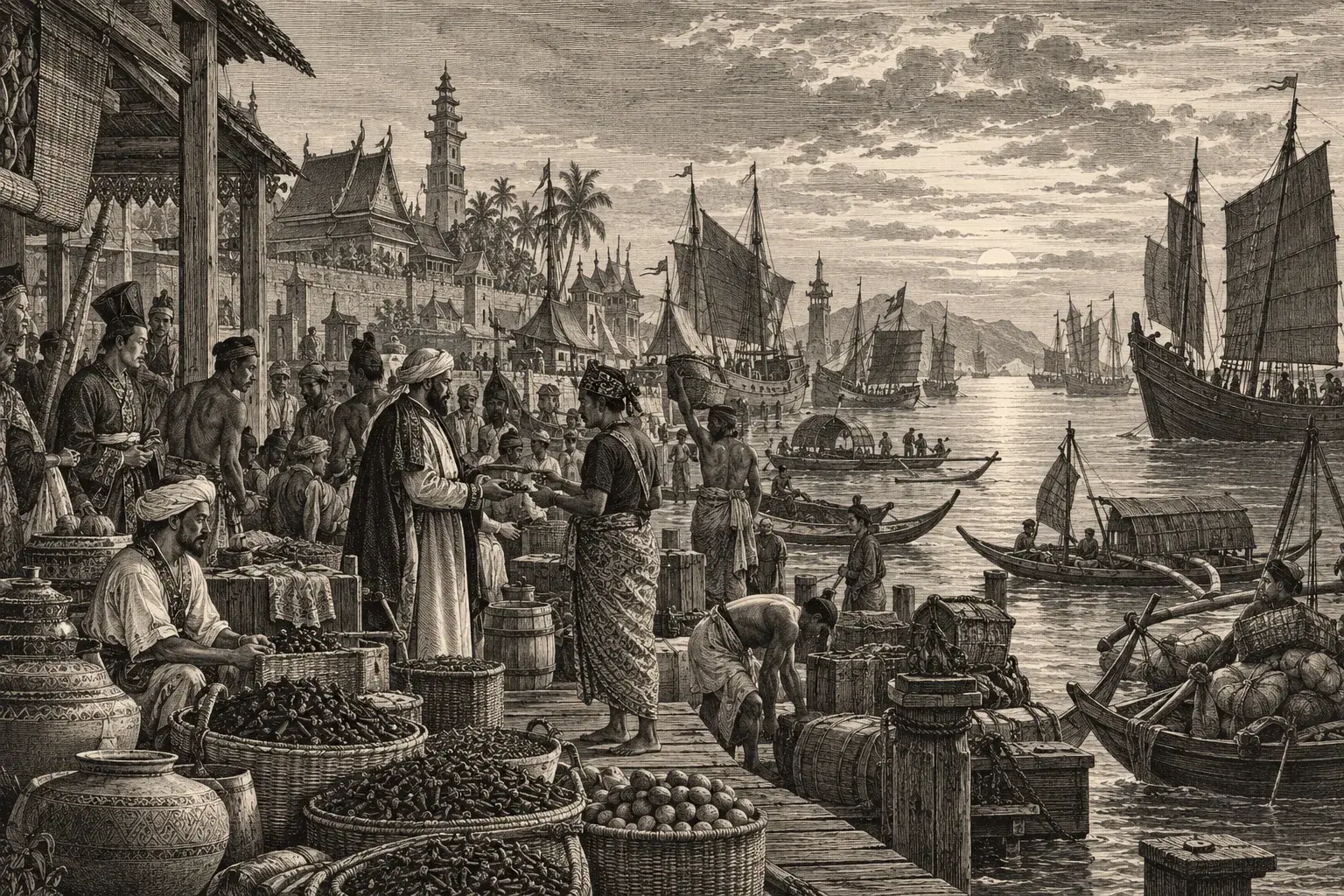
The Sogdians played one of the biggest roles in making the Silk Road successful. They were so famous for trading that in the kingdom of Khotan, people called every merchant suli, which meant “Sogdian,” even if the person wasn’t actually from Sogdiana! Their caravans carried silk, spices, gold, and ideas across Asia. They made friendships and political alliances, helping connect different parts of the world. In 568 CE, a group of Sogdian merchants and their Turkic allies traveled all the way to Constantinople to meet the Byzantine emperor. They brought silk and offered a new trade deal that would go around Persia. Even though their plan didn’t last long, it showed how wide their network was—from China to the edge of Europe.
Traders from different cultures exchanging goods at a Silk Road market.
Legacy
Even though Sogdiana never ruled a vast empire, it had a huge influence on history. Its people connected continents, shared knowledge, and helped spread art, science, and religion across Asia. Their homeland, full of fertile valleys and great cities, became the beating heart of the Silk Road. Today, we can still see traces of Sogdian life in the ruins of Samarkand, Panjikent, and Sarazm. The colorful wall paintings, coins, and inscriptions left behind tell stories of a people who connected the world long before modern globalization. The spirit of Sogdiana reminds us that the greatest power in history doesn’t always come from armies—it often comes from the exchange of ideas and the bonds between people.