High in the misty mountains of northern Iran lived a group of strong and independent people called the Daylamites. They were known for their bravery, toughness, and love of freedom. Their story goes back more than two thousand years, and even ancient writers talked about them. A Greek historian named Polybius mentioned them in the 2nd century BCE, though he accidentally called them the “Elamites.” He was really describing the proud Daylamites.
Daylamite warriors
The Daylamites and the End of the Parthian Empire
Long ago, when the Parthian Empire was falling apart, its last king, Artabanus V, called on the Daylamites to help him fight a new power—the Sasanian Empire. According to a letter called the Letter of Tansar, a man named Gushnasp ruled over Daylam and nearby regions like Gilan and Ruyan. He was loyal to the Parthians until Ardashir I, the first Sasanian king, defeated him and took control of his lands. Gushnasp’s family kept some power for a while, but by the early 500s CE, King Kavadh I gave their territory to his son Kawus. Later, Kavadh sent a general from Daylam named Buya to fight against another ruler named Vakhtang I. Another famous Daylamite general, Khurrazad, led soldiers to Yemen in 570 CE, helping spread Persian influence there. These men became legendary for their courage and loyalty.
Warriors of the Mountains
The Byzantine historian Procopius described the Daylamites as mountain people who were almost impossible to conquer because of the steep and wild land they lived in. Still, they were always ready to fight when their allies needed them. Unlike many other soldiers of the time, they didn’t ride horses. They fought on foot, carrying swords, shields, axes, and short spears called zhupin. They were known for their strength and discipline and were some of the best foot soldiers in the ancient world. The Daylamites gained a reputation for bravery in many battles. They fought at the siege of Archaeopolis in 552 CE and supported a general named Bahrām Chobin in his rebellion against King Khosrow II. Even after Bahrām lost, Khosrow still trusted the Daylamites and added 4,000 of them to his personal guard. They fought in faraway places like Yemen and against the Byzantine Empire. Whether as loyal soldiers or independent warriors, the Daylamites were always respected for their strength.
Depiction of Daylamite mountain warriors armed with shields and javelins in the Iranian highlands.
Daylamites Against the Arab Empires
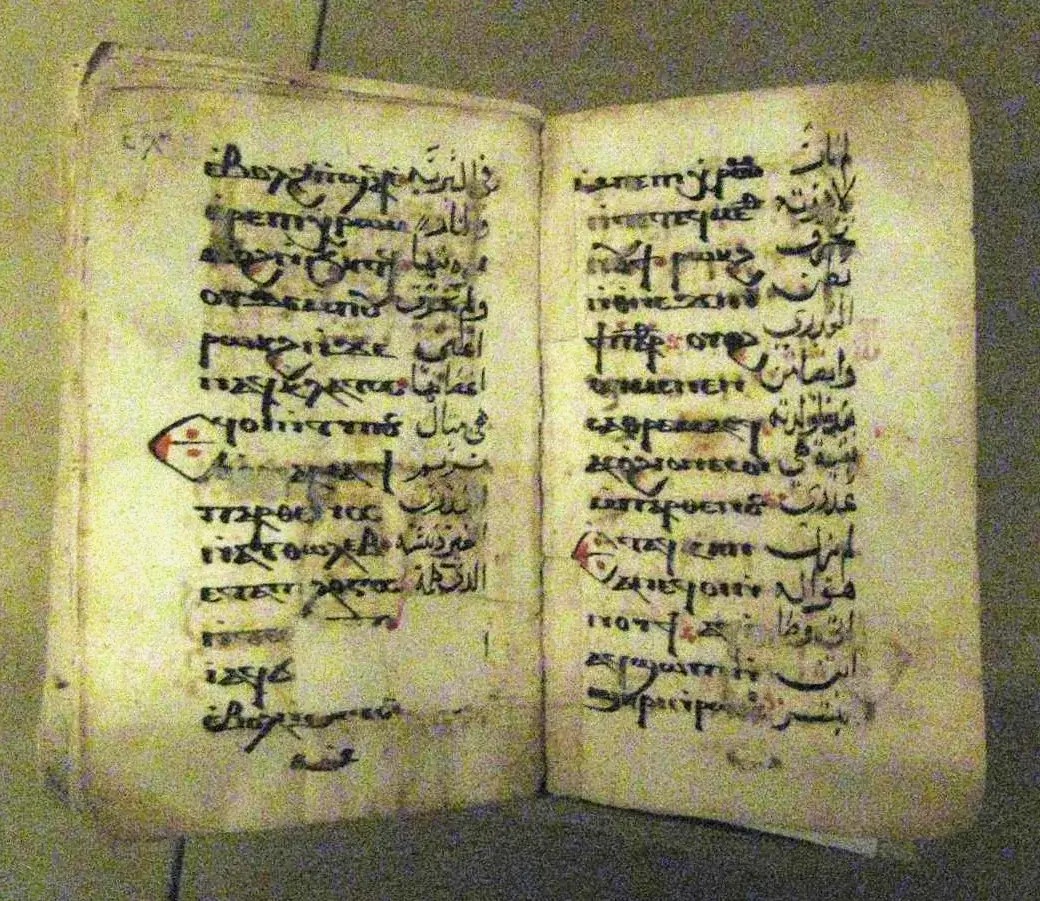
When the Arab armies defeated the Sasanian Empire in the 7th century, many Daylamite soldiers joined the Arabs. But the Daylamite people in their mountain homeland didn’t give up their independence easily. They fought off Arab forces for centuries, forcing the new rulers to build strong cities like Qazvin to stop Daylamite raids. Even famous Arab historians like al-Tabari said that the hardest enemies to fight were the Daylamites and the Turks. The powerful Abbasid rulers also tried to conquer them but never fully succeeded. Christian missionaries like Shubhalishoʿ tried to convert them to Christianity in the 700s but didn’t make much progress. Around the same time, Shia Muslims from the Prophet’s family—the Alids—fled to Daylam to escape persecution. They slowly taught their beliefs to the Daylamites, and over time, many became Shia Muslims while still holding on to their old Iranian customs. Later, Daylamite dynasties like the Buyids and Ziyarids ruled parts of Iran and proudly kept old Persian traditions alive.
Daylamites in the Islamic World
By the 800s CE, Daylamite warriors were famous all across the Islamic world. The Abbasid caliphs hired them as soldiers and guards, often working side by side with Turkish fighters. Even though there weren’t many of them, they were valued for their loyalty and toughness. One Daylamite man, Ali ibn Wahsudhan, even became the chief of police in Isfahan during Caliph al-Muqtadir’s rule. In the 900s, the Buyid dynasty—founded by Daylamites—rose to power and ruled large parts of Iran and Iraq. Their armies combined strong Daylamite foot soldiers with fast Turkic horsemen. Later empires, like the Ghaznavids and Seljuqs, also hired Daylamite fighters. These warriors could be recognized by their colorful shields and sharp two-pronged spears. They fought shoulder to shoulder, forming a wall of shields to protect themselves as they struck with axes and spears from behind it. They were both brave and clever on the battlefield.
Artistic reconstruction of Abbasid guards, including Daylamite soldiers, outside a palace.
Their Beliefs and Traditions
The Daylamites had a rich and diverse spiritual life. Some followed ancient Iranian religions that worshipped many gods, similar to Greek myths. Others practiced Zoroastrianism, one of the world’s oldest religions, which focused on the battle between good and evil. A few became Christians, especially followers of the Nestorian church, and built small churches in their mountain villages. A famous scholar named al-Biruni wrote that the Daylamites admired a legendary hero called Afridun, known for his wisdom and courage. Even hundreds of years later, Christian travelers still visited the Daylamite mountains to maintain the old churches there. What made the Daylamites unique was their local language and special names, different from the rest of Iran. Names like Gōrāngēj, meaning “chaser of wild donkeys,” and Shēr-zil, or “lion’s heart,” showed their bravery and spirit.
The Daylamite Way of War
Daylamite soldiers were incredibly tough. They could fight for days with little food or sleep. In battle, they stood tightly together, holding tall gray shields in front of them like a moving wall. From behind it, they threw javelins or swung heavy axes. Some even covered their weapons with a fiery chemical called naphtha and threw them to create terrifying flames. When they worked with Turkic horsemen, their combined power made them nearly unstoppable. But the Daylamites were not only warriors—they were also emotional and expressive. They mourned deeply when someone died, showing their feelings openly. In 963 CE, a Daylamite ruler in Baghdad named Mu'izz al-Dawla helped make public mourning ceremonies more common, which later became an important part of Shia Muslim traditions.
Illustration of Daylamite warriors forming a shield wall and using flaming javelins in battle.
Life in the Mountains
Even though they were famous fighters, most Daylamites lived simple but hardworking lives. They grew rice on mountain terraces, raised goats and sheep, and caught fish in clear mountain streams. They were skilled weavers who made beautiful silk cloth that was admired across Persia. Travelers like al-Muqaddasi said the Daylamites were handsome, with beards and thick hair, and that the women were strong and hardworking. Daylamite women helped farm, took care of animals, and played a major role in daily life. Most people married within their own community, which helped keep their traditions, language, and stories alive for centuries. Through all the wars and changes in power, they stayed proud of who they were.
Legacy
The story of the Daylamites is one of courage and independence. For hundreds of years, they protected their land, their beliefs, and their way of life. They built empires, fought in distant lands, and never let go of their mountain pride. Even today, their legacy lives on in the northern mountains of Iran.