Sephardic Jews are a group of people with a long history that covers many places and many years. Their story began in the Iberian Peninsula, which is now Spain and Portugal. Jewish families lived there for more than a thousand years. They worked, learned, and built strong communities. The name “Sephardic” comes from the Hebrew word Sepharad, an old name for this area. Later, the word was also used for Jewish communities in the Middle East, North Africa, and other regions that shared similar traditions and ways of life.
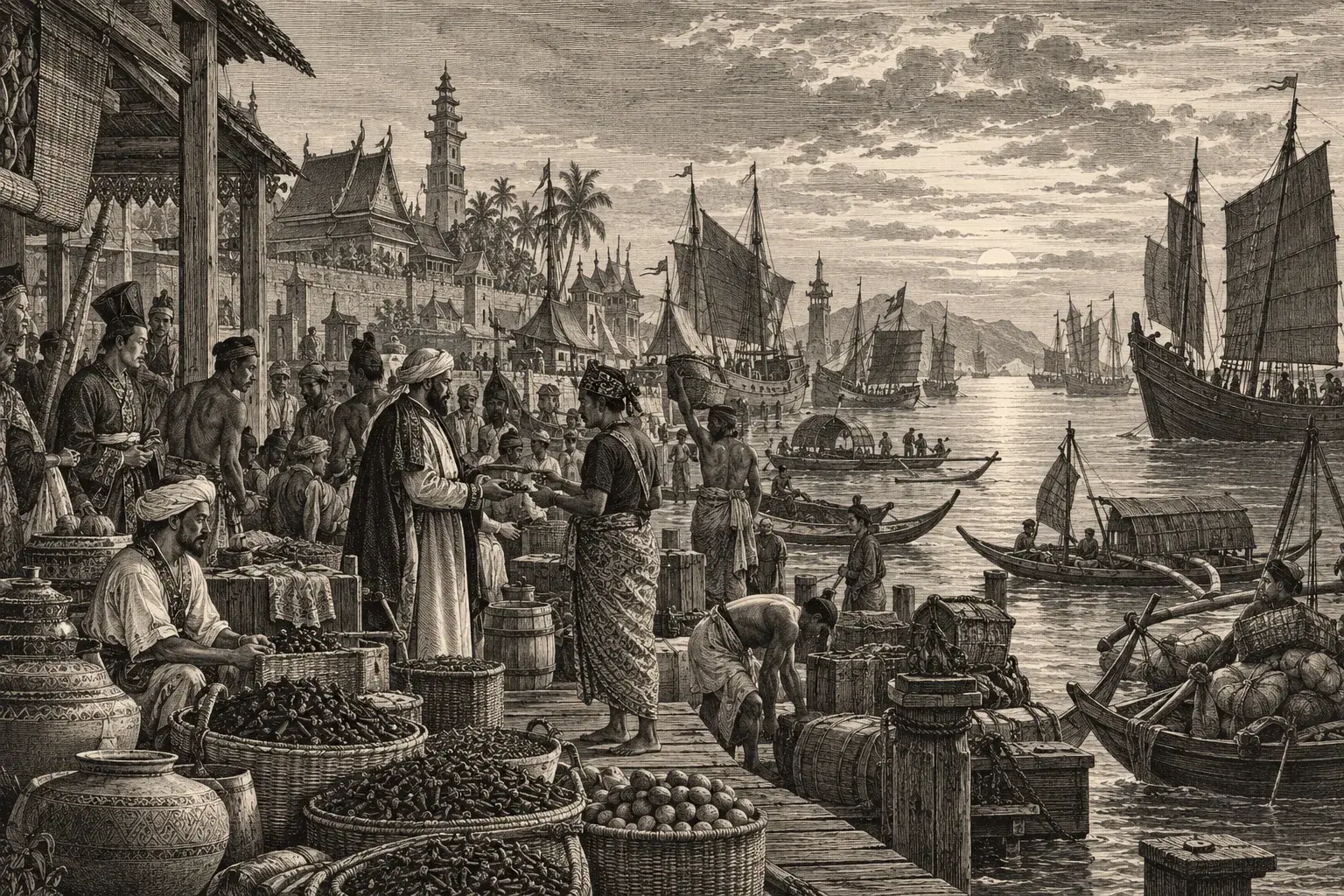
A visual representation of the long migration journey of Sephardic Jews across different regions.
Life in Iberia Before the Golden Age
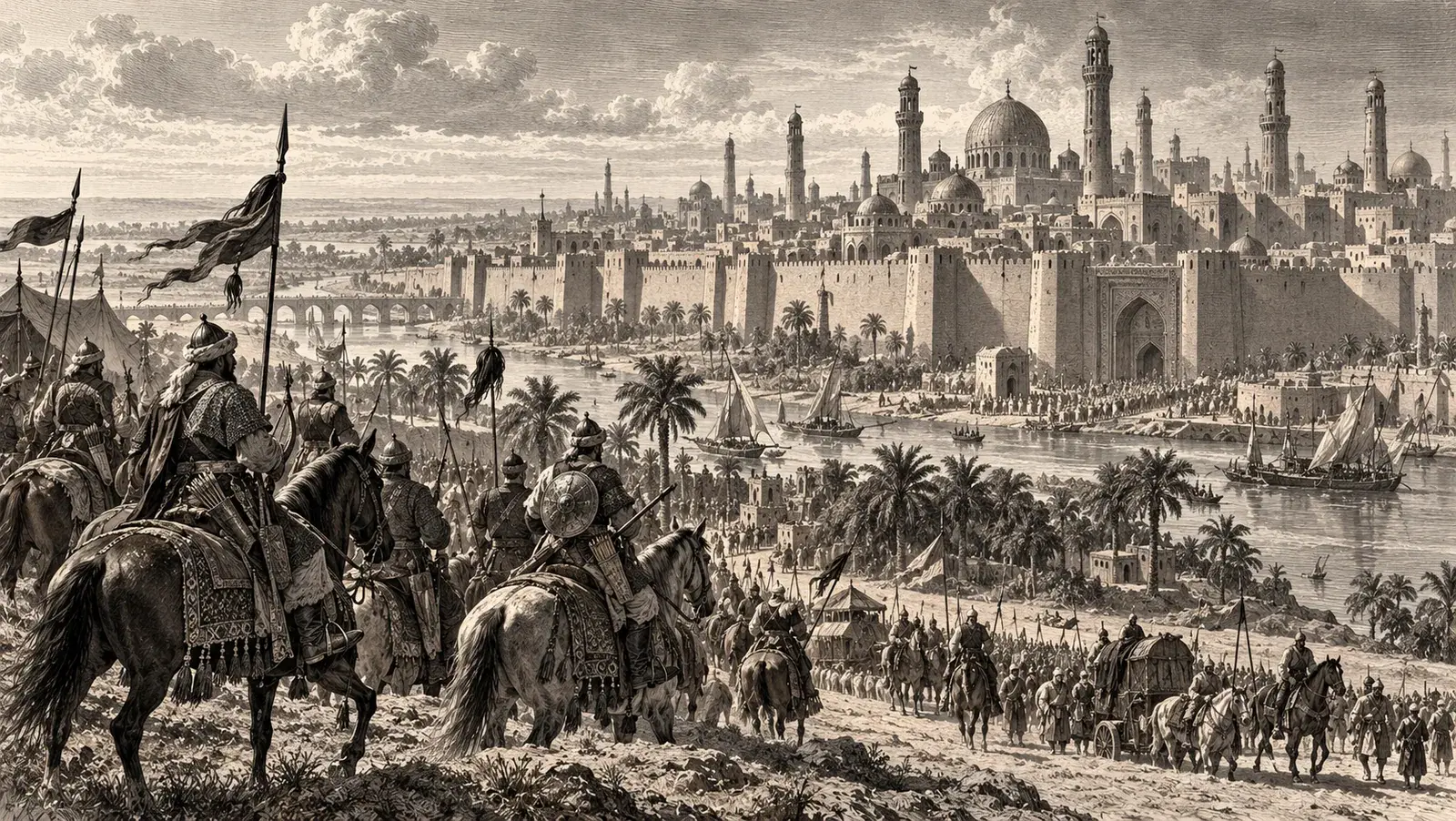
Jewish communities had lived in Iberia since Roman times. Their daily life depended on who ruled the area. Under the Romans and later the Visigothic Christian kingdoms, Jews often faced unfair laws and discrimination. Their rights could be taken away suddenly, and they were not always allowed to practice their religion freely. Even with these challenges, Jewish families continued to live, work, teach, and build their communities. Things changed in the early 700s when Muslim rulers took control of much of the Iberian Peninsula and created a society called al-Andalus. Jews still did not have complete equality under Islamic law, but they had more freedom than before. They were allowed to practice their religion and manage many of their own community affairs. Compared to earlier times, life felt safer and more stable.
Intellectual and Cultural Heights of al-Andalus
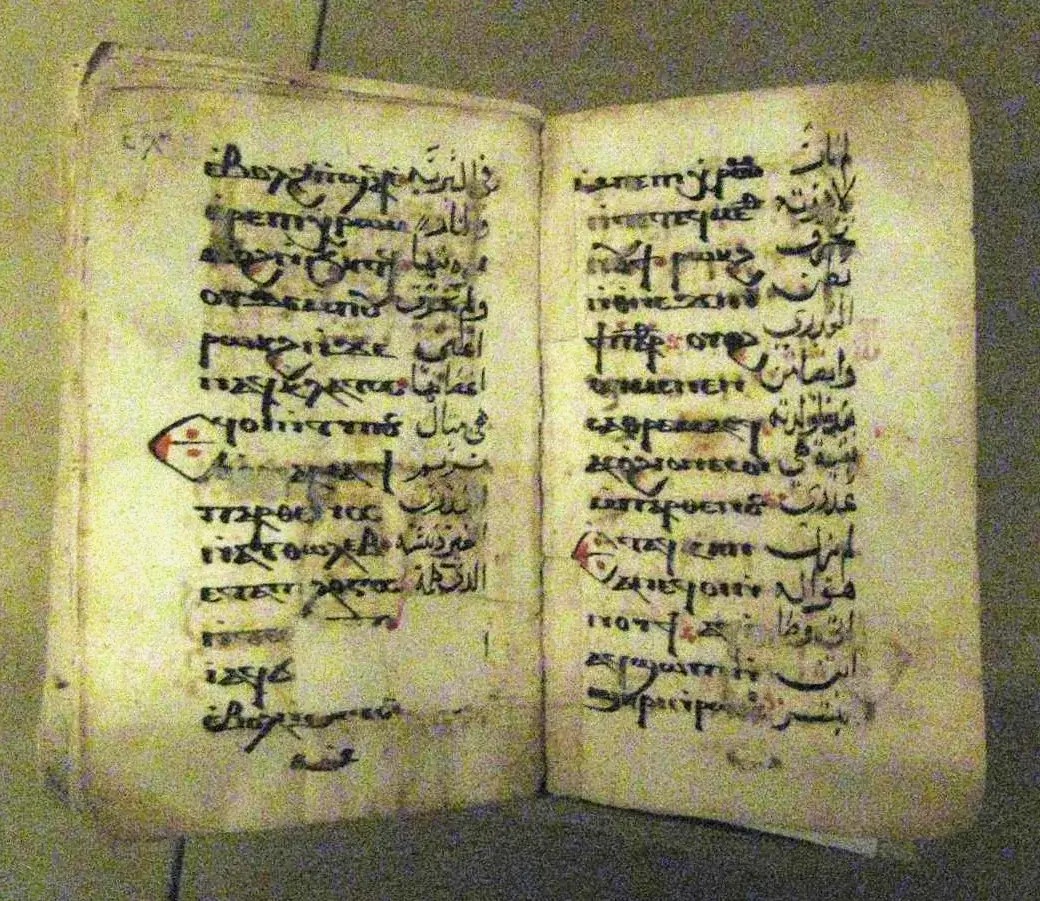
As al-Andalus became stronger and more peaceful, Jewish life entered a time that many people later called a golden age. Jewish poets, thinkers, scientists, and advisors became important in the community. They studied subjects like medicine, astronomy, math, and literature. They wrote in both Hebrew and Arabic, which showed how much learning and culture were shared during this period. Jewish scholars also learned from the ideas that the Muslim world had saved and expanded, including teachings from ancient Greek philosophers. This created a very active and intelligent culture. Many Jewish advisors, poets, and teachers became well known across the region. Life was not perfect, and there were still problems, but it was an important time filled with creativity and learning.
Al-Andalus became a center of knowledge where Jewish poets, scientists, and scholars thrived.
Rising Tensions and the Collapse of Stability
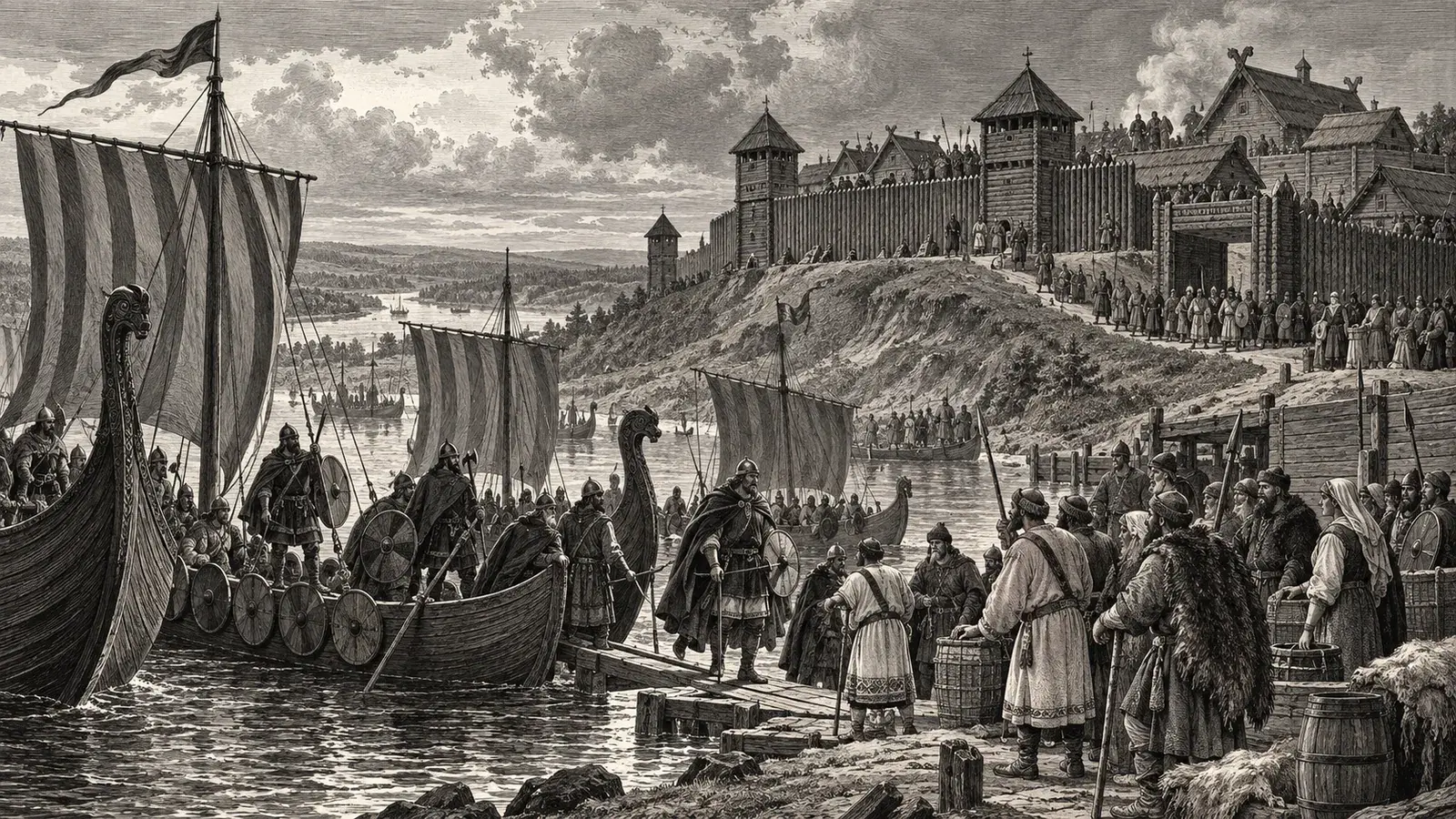
This period of growth eventually began to decline. Political problems, religious arguments, and changes in power made life harder for Jewish communities. Some rulers became less tolerant and demanded that Jews either convert or leave. As things got worse, many Jewish families moved to areas controlled by Christians or to other places around the Mediterranean. The situation became much more serious in the late Middle Ages. As Christian kingdoms expanded during the Reconquista, more Jews came under Christian rule. Some kings hired Jews as translators, scholars, and advisors. But the church kept increasing pressure on them. New laws limited where Jews could live, what jobs they could do, and even how they could dress. Public debates about religion were often held not to discuss ideas, but to force Jews to convert. By the late 1300s, the tension turned violent. In 1391, riots spread across Spanish cities, attacking Jewish neighborhoods. Synagogues were destroyed, thousands of people were killed, and many others were forced to convert just to stay alive. Communities that had existed for hundreds of years were destroyed almost overnight.
The Inquisition and the Historic Expulsions of the 15th Century
The 1400s brought even harsher conditions. Traveling preachers spread fear by accusing Jews and converted Jews—called conversos—of being disloyal and secretly practicing Judaism. New laws targeted people because of their family background, not their actual beliefs. This growing fear led to the creation of the Spanish Inquisition, which was meant to investigate converted Jews who were suspected of still following Jewish traditions. Interrogations, imprisonment, torture, and public executions became shockingly common. Fear controlled daily life, and both Jews and conversos lived under constant suspicion. In 1492, the situation reached its worst point. Soon after Spain conquered Granada, the last Muslim-held city, the rulers ordered all Jews to either convert or leave the country. Families had very little time to sell their possessions or prepare. Many had to leave behind their homes, businesses, and belongings. Those who refused to convert fled to Portugal, North Africa, Italy, and the Ottoman Empire. Others converted publicly but still practiced Judaism in private. Portugal soon followed Spain’s example. In 1497, the king forced all Jews to convert. Many families were baptized against their will, and some children were taken from their parents. The Jewish community that had existed in Iberia for more than a thousand years was almost completely destroyed.
The Ottoman Empire and Global Resettlement
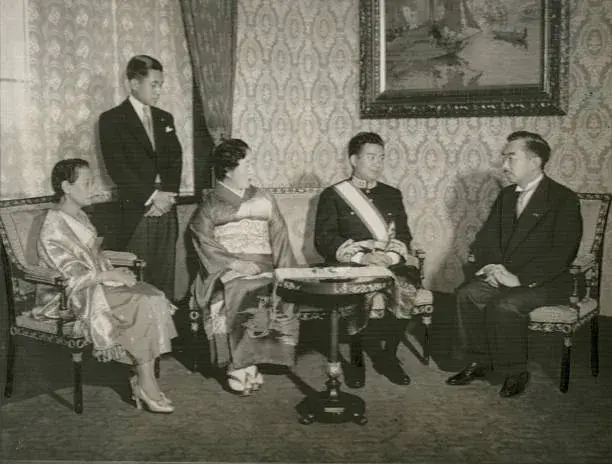
Although they had to leave their homeland, Sephardic Jews carried their culture, language, and traditions with them wherever they went. The Ottoman Empire welcomed many of them, and Jewish communities quickly grew in cities like Istanbul, Thessaloniki, Edirne, and Bursa. In just a few decades, some of these places became important centers of Jewish life. In fact, Thessaloniki even became a city where most of the population was Jewish. Some families went farther east to the city of Safed in the 1500s. Safed soon became a major center of Jewish learning and spiritual study. New religious ideas, writings, and poetry were created there. Scholars also worked to explain Jewish laws clearly so that communities in different places could follow the same traditions. North Africa became another important home for Sephardic Jews. Families settled in cities like Tunis, Algiers, and Fez. They joined the Jewish communities already living there and helped them grow stronger. Over time, Sephardic traditions mixed with local customs, creating unique and colorful Jewish cultures in each region. In the 1800s, European countries took control of parts of North Africa, and life changed again—especially in Algeria, where Jews were given French citizenship. When Algeria became independent in the 1960s, most Jewish families moved to France, where they helped shape the Jewish communities in major French cities.
Intellectual, Cultural, and Economic Influence
Sephardic Jews became known as smart and skilled people. Many worked as scholars, diplomats, traders, and advisors. Because they spoke several languages and understood different cultures, they were very helpful in connecting different kingdoms and empires. They settled in European cities like Amsterdam and London, where they helped shape early business life and culture. Some Sephardic Jews also traveled across the Atlantic Ocean. They settled in places like Brazil, the Caribbean, and early cities in North America. These communities helped create the first Jewish congregations and important trade networks in the New World.
Crypto‑Judaism:
Not all Jews were able to leave Iberia. Many stayed behind and pretended to be Christians on the outside while secretly trying to keep parts of their Jewish heritage. These secret Jews, often called crypto-Jews, practiced their traditions quietly and with great danger. Even simple actions like lighting candles on Friday night or following certain food rules could lead to harsh punishment. The Inquisition created special courts in Spain and Portugal to find people who were secretly practicing Judaism. Families lived in constant fear of being reported by neighbors or even relatives. Some people were tortured or killed, while others were publicly humiliated. Still, many families held onto their traditions for generations. Some eventually escaped to safer places where they could practice their religion openly again. In a few remote towns, pieces of Jewish tradition survived in secret all the way into modern times.