When Emperor Constantine made Christianity legal in the early 300s, many people thought peace had finally come for Christians. For centuries, believers had faced persecution, but now, they were free to worship openly. However, instead of peace, a new kind of struggle began—one inside the church itself. People started to argue about one huge question: who exactly was Jesus?
Emperor Constantine speaking to bishops at the Council of Nicaea in 325 CE.
A Big Question: Who Is Jesus?
After Christianity became accepted in the Roman Empire, people began discussing and debating their faith more than ever before. Everyone agreed there was only one true God, but not everyone agreed on how Jesus fit into that belief. Some said Jesus was equal to God, while others thought He was created by God and not truly the same. These disagreements grew louder until they spread across cities, markets, and homes. Christianity, though free at last, was now deeply divided.
Different Beliefs in the Ancient World
At the time, many different ideas about God were floating around. Some philosophers believed God was distant, like a mysterious power or force that didn’t really care about people. Others told stories about many gods who acted as messengers between heaven and earth. One popular story was about Mithra, a god who was said to connect humans to the divine. But for Christians, Jesus was not a myth or story—He was real, both completely human and completely God. Not everyone agreed with this idea. Some Christians thought Jesus was only a great teacher or prophet, chosen by God. Others believed He wasn’t really human, but only looked like one. Church leaders worked hard to correct these ideas, using the Bible to show that Jesus was both fully human and fully divine.
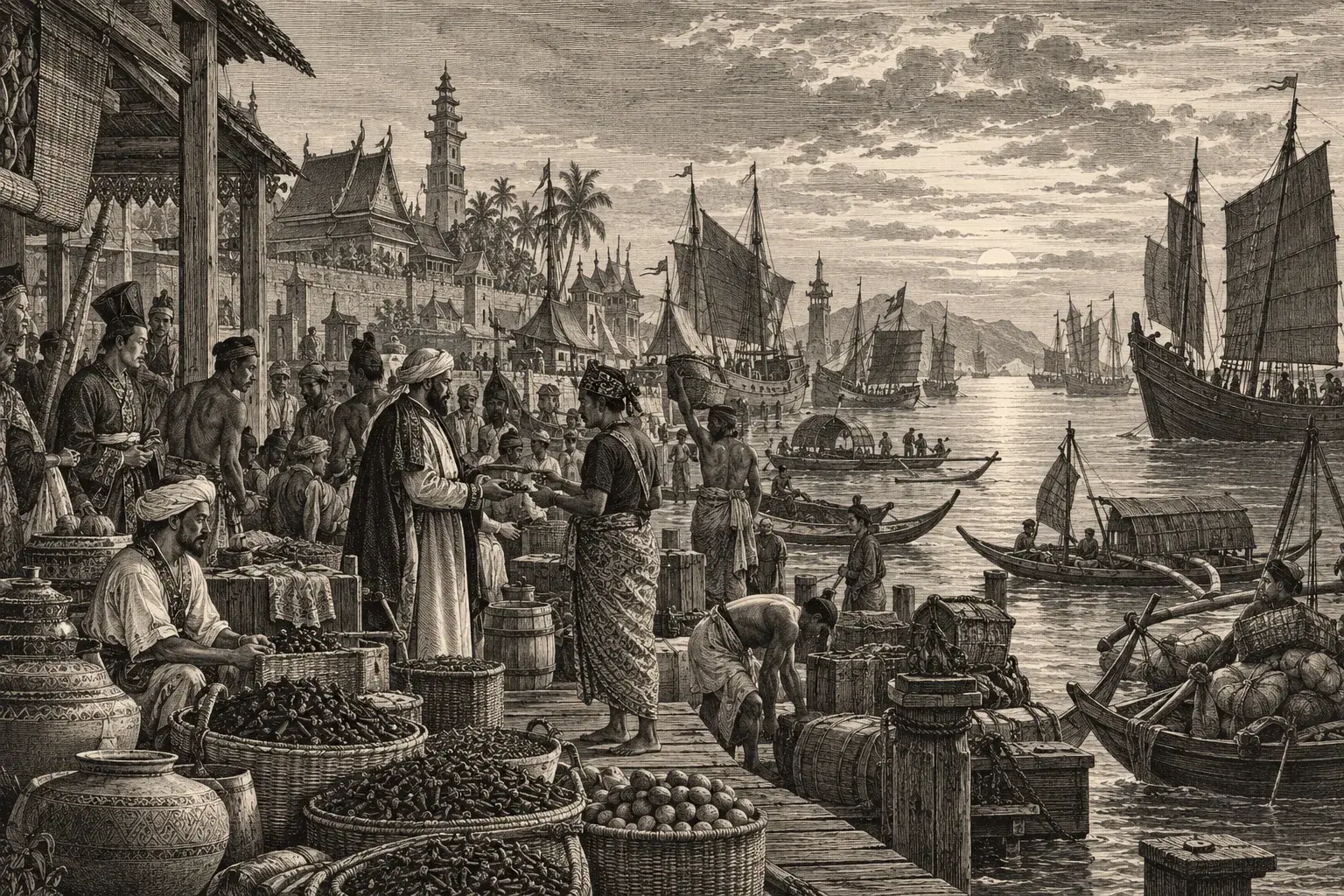
Ancient Romans discussing their many gods and beliefs about the divine.
Arius and the Big Argument in Alexandria
In the city of Alexandria, Egypt, a priest named Arius started teaching something that caused even more trouble. Arius said that Jesus was not equal to God the Father. He believed that Jesus had been created by God and that there was a time before Jesus existed. But Bishop Alexander, who led the church in Alexandria, disagreed. He taught that Jesus had always existed with God and was equal to Him. Arius was a talented speaker and knew how to get people’s attention. He even wrote catchy songs about his ideas so that regular people could easily remember and repeat them. Soon, people all over Alexandria were singing about theology in the streets. The argument split the city and spread through the entire empire.
Emperor Constantine Tries to Bring Peace
When Emperor Constantine heard about the chaos, he was very worried. He wanted Christianity to bring unity, not conflict, to the Roman Empire. So he decided to take action. He invited church leaders from all over the empire to meet together and settle the argument once and for all. This meeting became known as the Council of Nicaea.
The Gathering at Nicaea
The council took place in the town of Nicaea, near a lake in what is now Turkey. Constantine paid for everything, making it easier for bishops to travel there. More than 300 bishops came from across the empire. Some were humble priests from small towns, while others were famous scholars. Many had suffered during earlier persecutions and still bore scars from those hard times. The meeting was held in a large hall. Long benches lined the walls, and in the center was a copy of the Gospels, reminding everyone that their purpose was to protect the truth of their faith. At the front sat the emperor’s golden chair. When Constantine entered the room wearing silk robes and a golden crown, everyone stood in silence. His calm and respectful attitude impressed everyone there.
Bishops gathered at the Council of Nicaea with Emperor Constantine presiding.
Constantine’s Message: Stop Fighting
Before the debates began, Constantine made a surprising move. He asked the bishops to give him all the letters they had written to complain about each other. Then, in front of everyone, he threw the letters into a fire. He told them to forgive each other and work together, saying, “Stop sending these angry letters. Put aside your quarrels and act like brothers.”
The Debate Over Jesus
When they finally discussed Arius’s ideas, things got heated. Most bishops strongly disagreed with Arius. Some of his songs were read aloud, and people were shocked at the lyrics. One of Arius’s supporters, Eusebius of Nicomedia, tried to read a version of a creed that supported Arian beliefs, but the other bishops tore it up before he could finish.
Bishops debating Arius’s teachings at the Council of Nicaea.
Writing a New Creed
The bishops knew they needed to write a clear statement that explained what Christians believed about Jesus. They looked at earlier creeds, like the Apostles’ Creed, but decided they needed something stronger. The biggest issue was whether Jesus was truly God or not. If He wasn’t, the faith could easily slip back into believing in many gods, like the old religions of Greece and Rome. To make their belief clear, the bishops chose a Greek word—homoousios, which means “of the same substance.” This word meant that Jesus and God the Father were one in nature and truly equal. It was a bold choice, but it captured what the church wanted to say: Jesus was not created; He was fully God.
The Nicene Creed
When the final version of the creed was read out loud, the room erupted in applause. It began, “We believe in one God, the Father Almighty, and in one Lord, Jesus Christ… begotten, not made, being of one substance with the Father.” Most bishops signed it, agreeing that this was the true Christian faith. Those who still supported Arius were exiled by Constantine. The Council of Nicaea ended with joy and relief. The bishops returned home believing they had saved the unity of the church and clearly expressed what Christians believed about Jesus.
Why Nicaea Still Matters
The Council of Nicaea didn’t make all the arguments disappear—Arian ideas continued to spread for some time—but it marked a major turning point in Christian history. It showed that the church could come together to solve its biggest problems and agree on what it truly believed. The Nicene Creed that came from this meeting is still recited in many churches around the world today. It reminds Christians of a time when the early church faced confusion and division, yet found the courage to stand together and declare that Jesus is both fully God and fully human—the bridge between heaven and earth.