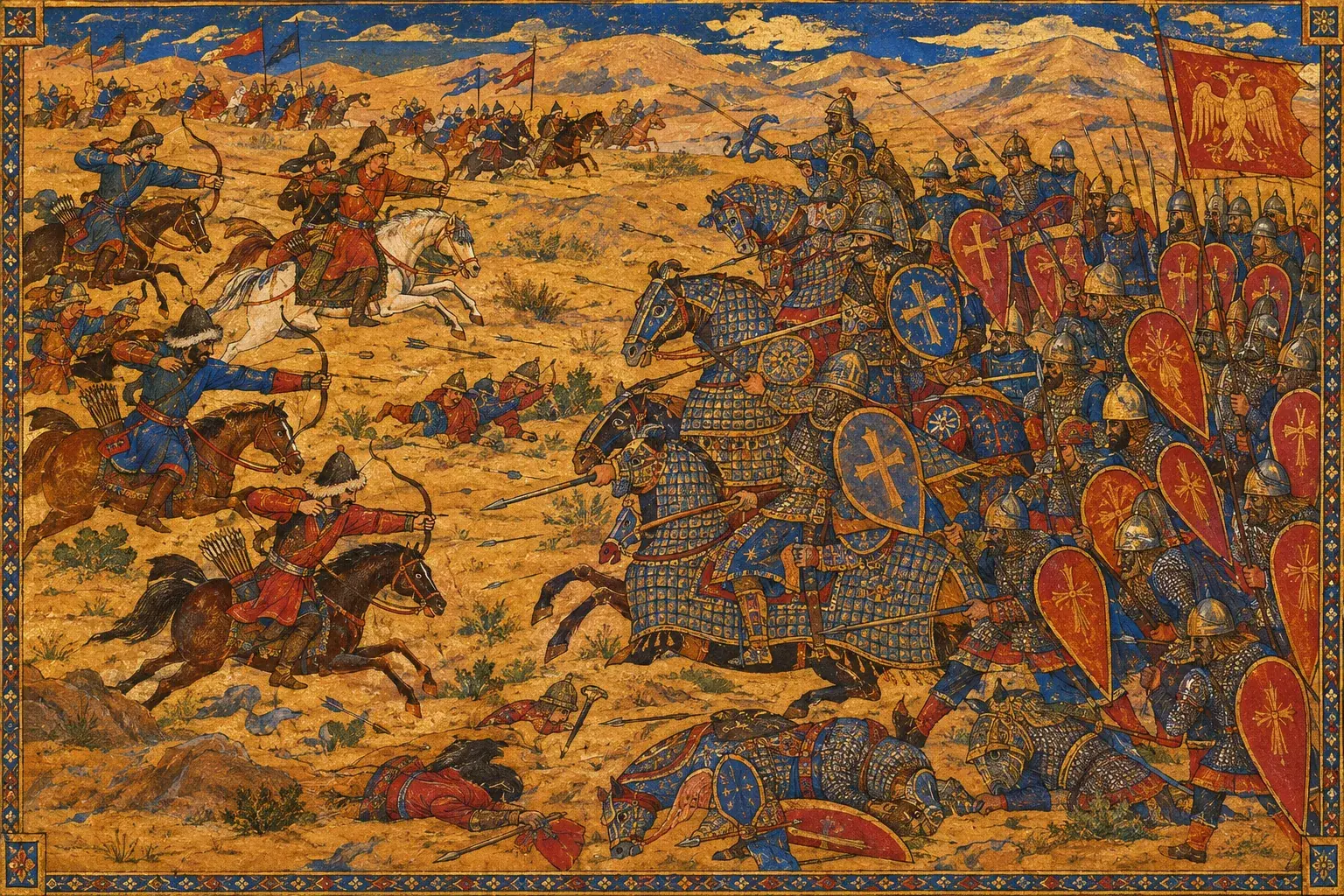
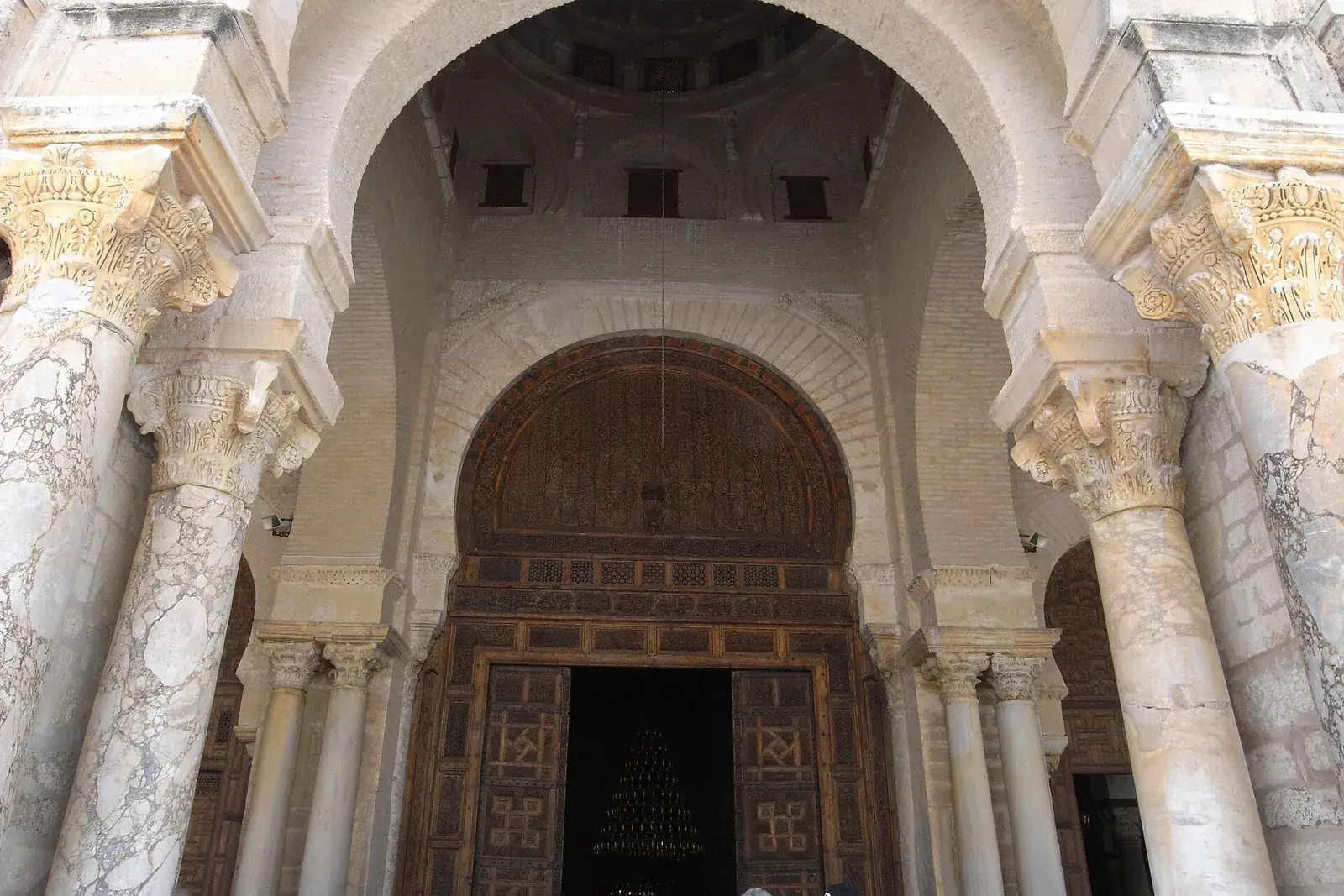
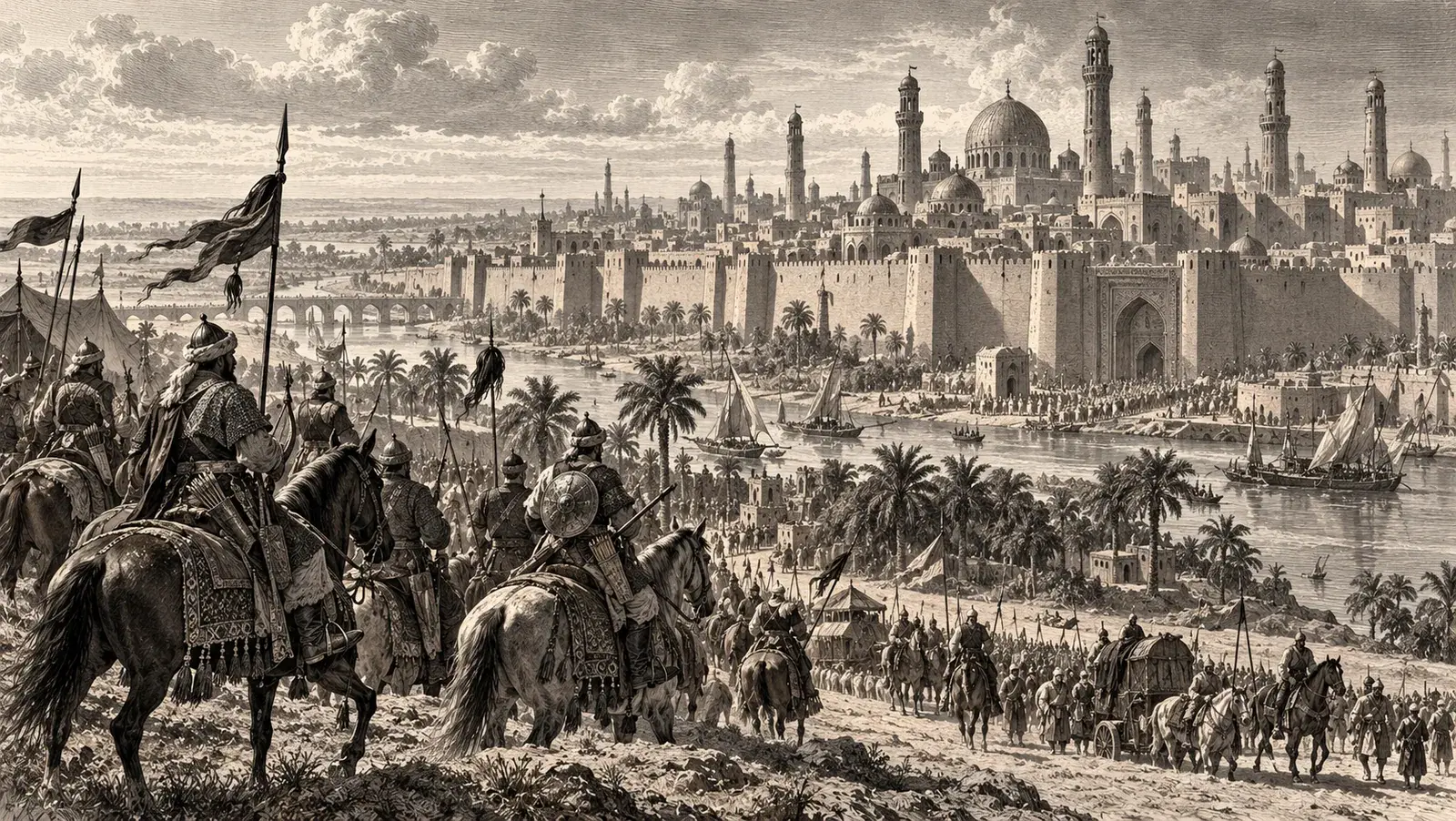
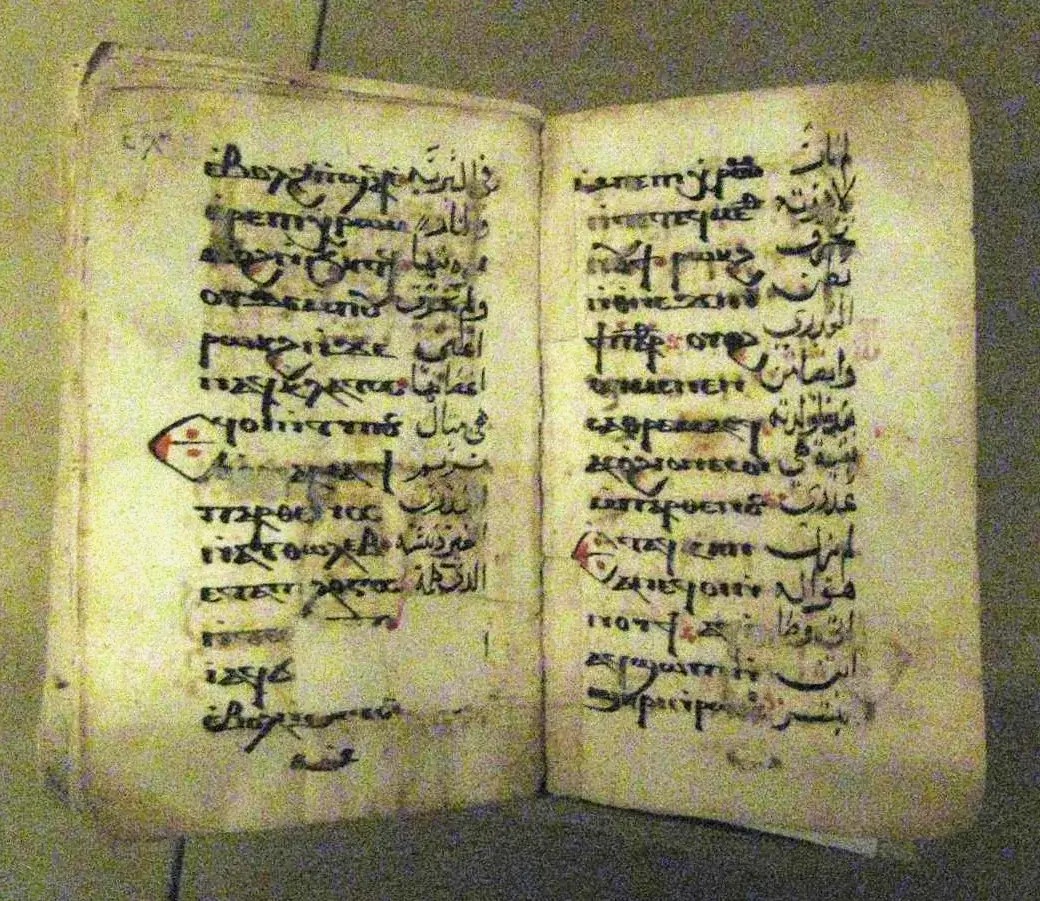
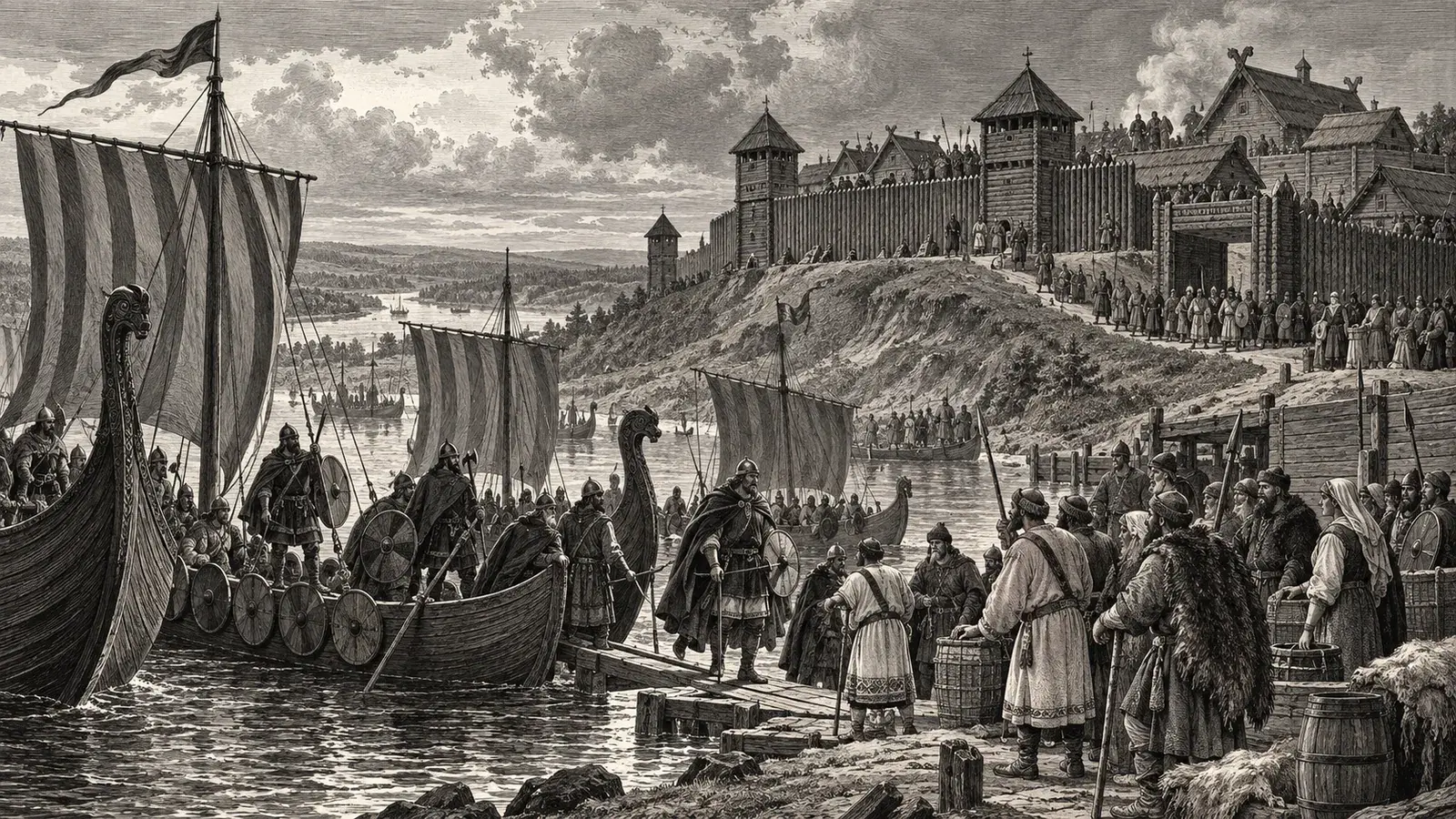
Anatolia translates (approximately) as 'east' or 'rising sun', which suggests much about who was naming this region, a key crossroads between Europe and Asia, the Aegean and the Near East. But one that had never been the sole habitat of a single people, and was rather a succession of different societies, speaking different languages.
So how did a land that constitutes the heart of modern day Turkish nationhood once come to form the centre of the Greek world?
The answer is not invasion or replacement, but a gradual absorption into a system that served the basis for power and daily life, with Greek being a lingua franca under a succession of different ruling structures (many of which were not Greek), promoted by the Persians, kept by the Romans, extended into the villages by the Church.
Anatolian Geography and the Shape of Settlement
The land mass itself dictated much of the settlement pattern and the interaction between societies. With its central plateau (on which agriculture depends on rainfall), the west of the peninsula falling to rich river valleys which provided relatively easy access between Aegean coast and the interior, and its borders formed by the Pontic mountains to the north and the Taurus to the south, this area was a crucible of interaction between societies in the regions beyond.
The first people to settle in Anatolia were in the seventh millennium BC, and were probably drawn by the extension of agriculture and domesticated animals throughout the Near East and Aegean, which concentrated in the central and southern plains. Organized into proto-urban communities, these early Anatolians were able to produce impressive artifacts, but retained a relatively equal and family-based structure, lacking the administrative hierarchy necessary to form states.
This changed dramatically in the third millennium BC with the appearance of copper, silver and gold in Anatolia, which gave the region a significant role in Near Eastern trade networks, attracting, by the early second millennium BC, Assyrian merchants who established colonies. These brought written contracts, accounting and an increase in wealth, enabling the first rudimentary state structures to emerge in Anatolia.
The dominant population group in central Anatolia during this period are referred to in conventional usage as the Hattians, an indigenous people who speak an unclassified language, who formed a patchwork of often warring city-states.
Late in the third millennium BC, Indo-European tribes began to enter Anatolia, speaking a number of related languages (Hittite, Palaic and Luwian), and coming presumably from the Caucasus or the Balkans. Probably not as a single coordinated force, but rather settling in the region gradually, and fitting themselves into the existing commercial networks and social hierarchies, adopting many local institutions. By the eighteenth century BC, Hittite rulers were able to exploit the wealth and strategic position of the trade routes to consolidate their power across the central Anatolian plateau, forming the first great empire to arise in Anatolia.
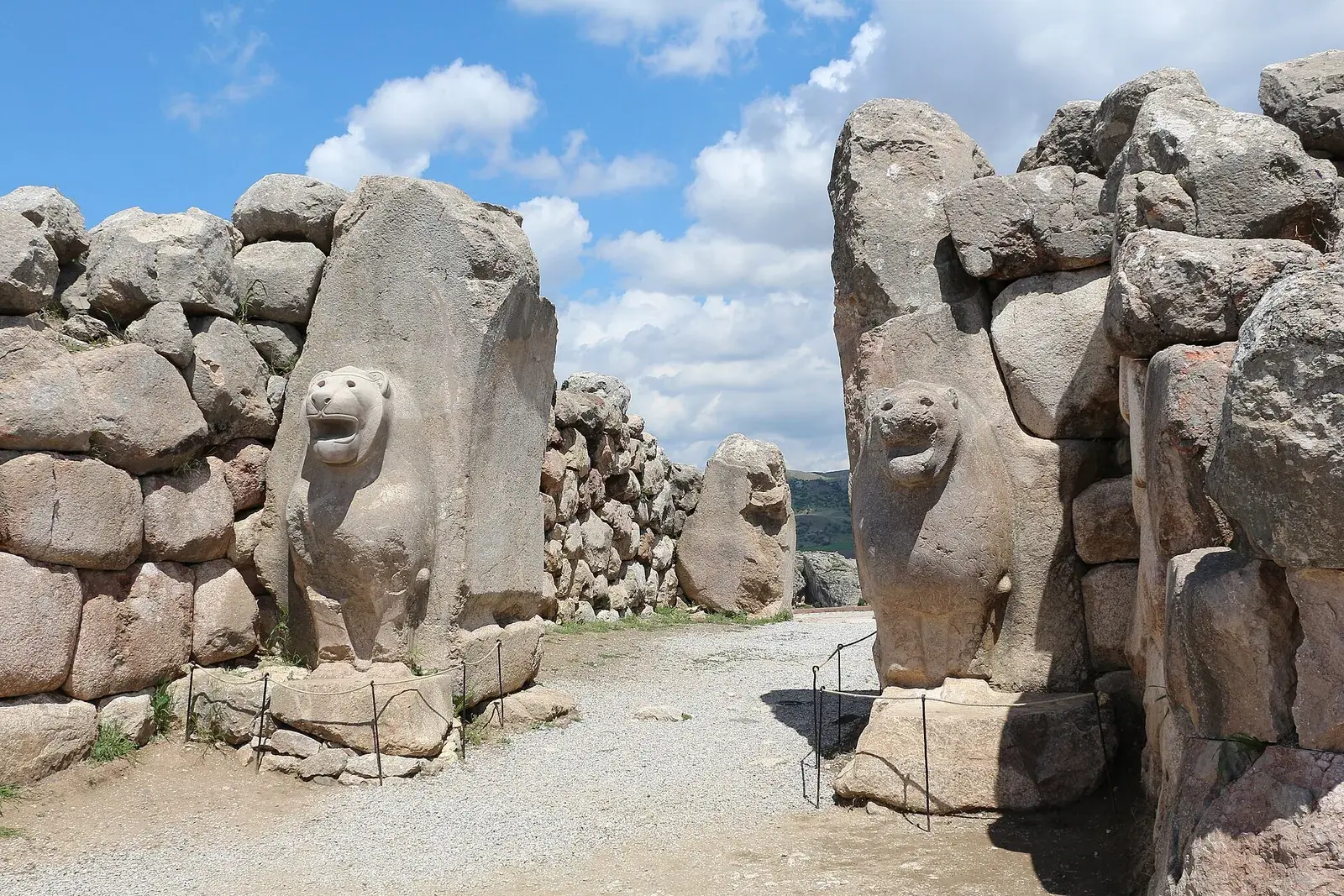
Hattusa, high on the plateau, was the capital of the first great empire to arise in Anatolia before it was abandoned around 1200 BC.
Image Credits: Bernard Gagnon, via Wikimedia Commons (CC BY-SA 3.0)
This was, however, a fragile structure, and with the general Late Bronze Age Collapse around 1200 BC, the Hittite empire disintegrated, presumably due to a combination of ecological disaster (drought and reduced granary production), internal unrest, disruption of trade, pressure from nomadic groups on the empire's borders and possibly the attacks by sea described by the Egyptians as raids by the Sea Peoples. The Hittite capital was abandoned and central authority collapsed, returning the region to a fragmentary state of independent city-states and minor kingdoms.
The effects of this were to be felt for centuries, with the south-eastern region of Anatolia being split into a mosaic of Neo-Hittite states such as Carchemish, Malatya and Tabal, and with long-distance trade diminishing, writing disappearing, and populations declining, for several centuries. Western Anatolia proved to be more resilient, its patchwork of small kingdoms (such as Caria and Lycia) apparently founded by early Indo-European tribes, who had been vassals of the Hittites, continued the tradition of local autonomy, though with modified political structures.
Greek speakers, however, played a growing role on the western coast of Anatolia, and appear to have been present there from around 1400 BC, at least according to contemporary Hittite inscriptions (which refer to them as 'Ahhiyawa'). Their presence there grew throughout the second millennium, but it was not until the eleventh century BC that they began to arrive in significant numbers.
Again a second, related factor for the appearance of the Greeks in Anatolia was the end of the Mycenaean civilization on the mainland, contemporaneous with the collapse of the Hittites. With diminishing resources and competition for land, populations spilled over into Anatolia seeking to exploit its agricultural potential. Rich in resources (timber, metal ores) and river valleys, Anatolia represented an attractive target for colonists who would provide goods and services to local rulers.
The Greeks who arrived were not numerous and lacked the administrative structures to rule the land they took, and so settled on the western coast, in city-states such as Miletus, Ephesus and Smyrna, which were divided between three main groups: Aeolic Greeks (from Lesbos), Ionian Greeks (from Attica) and the Dorian Greeks (from the Peloponnese).
This mixture of a largely Greek-speaking coastal strip and an interior of Anatolian hinterlands persisted for centuries, punctuated by periods of increased interaction.
The Phrygians, Trade Revival and the Greek Alphabet
Greeks were not the only colonists to arrive in western Anatolia. Other Indo-European tribes (probably from the Balkans), the Phrygians, entered the north-western region of Anatolia, a fertile area of rich farmland, timber, horses and metal deposits. This enabled the Phrygians to form one of the region's first great kingdoms.
Their lands were within one hundred or one hundred and fifty kilometres of the Greek poleis of Miletus and Ephesus, as but a series of small kingdoms and principalities separated these two peoples for centuries, until the revival of long distance trade from the tenth century BC created renewed commercial links between them.
The increased use of iron tools raised agricultural yields and caused a demographic expansion, while better shipbuilding and navigation allowed more stable and frequent contact with the eastern Mediterranean. Tyre and Byblos re-established trade links with the Aegean, allowing local Phrygian and Greek elites to create new trade networks. A symbiotic relationship developed, as the Phrygians supplied grain, timber and metals to the Greeks who acted as maritime distributors, creating commercial and economic stability.
This stability required new practical tools and around 800 BC the Greeks adapted the Phoenician script to create a Greek alphabet which was to spread rapidly through Anatolia, again as a response to commercial and administrative requirements. Contracts, ownership documents and legal statutes were recorded in a Greek dialect and this appears to have been a major factor in their adoption, and subsequent adaptation, of this writing system.
The two regional powers, however, remained fragmented and the Phrygian kingdom dominated much of western and north-central Anatolia while the Neo-Hittite city-states of the east were gradually conquered by the expansionist Assyrians. By the seventh century BC the independent Greek poleis had formed a number of regional leagues, based on common religious practices. These allowed some coordination between the members, facilitating trade and diplomacy, but also competition for power and wealth, and the occasional united action against common enemies.
Lydia, Sardis and the Invention of Coinage
The delicate balance between these regional powers was destroyed in the early seventh century BC when the Cimmerians, Iranian nomads and horse-riders, invaded Anatolia from the Caucasus. They sacked the capital of the Phrygian kingdom, destabilizing the trade network and ultimately leading to the complete dissolution of the kingdom.
The power vacuum was filled by the Lydians, an obscure people (possibly distantly related to the Hittites), living in the region of modern day Turkey around Sardis. They may have been present as far back as the second millennium BC, having survived the Bronze Age Collapse, but were apparently not subject to the Hittite Empire.
For a long period their region was not a kingdom at all, but rather a loose collection of villages and their respective local elites, but these began to coalesce around Sardis in the early ninth century BC and a more coherent structure emerged in the seventh.
The reason for this was the discovery of gold in the Pactolus river which ran through Lydia. For many years this treasure was not exploited, but when the kingdom of Phrygia (the successor state to the Hittites) collapsed, the Mermnad dynasty (which ruled this region) was able to consolidate its power, build Sardis into a capital city and establish a reliable income from the gold. The electrum was stamped and this is considered to be the first coined money in the Mediterranean world according to Herodotus.
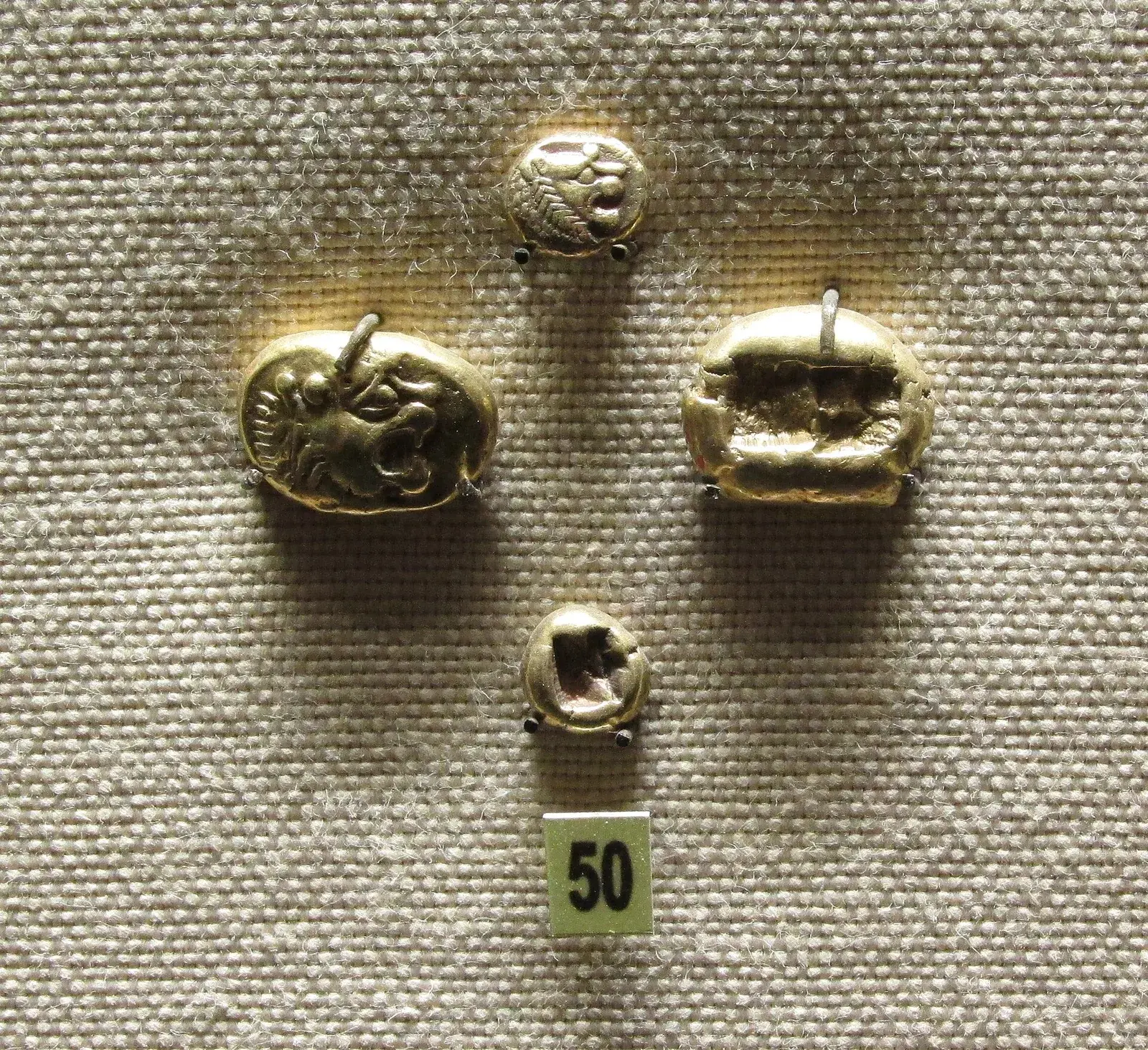
Lydian coins were small lumps of electrum, a natural gold-silver alloy from the Pactolus river, stamped with animal designs.
Image Credits: brewbooks from near Seattle, USA, via Wikimedia Commons (CC BY-SA 2.0)
The invention of currency represented a major step forward in the organization of any society and was to have long term implications. With a reliable tax system and regular revenues, the Lydian state was able to raise and maintain standing armies as well as hire mercenaries and provide protection for the trade routes. It was able to repel (successfully) the Cimmerians and then secure western Anatolia.
The Lydian kingdom did not extinguish the independent Greek poleis, but rather placed them under its economic and political umbrella. These city-states paid tribute and provided ships and soldiers to the Lydian king. This was an advantageous arrangement for both, the Lydian king received resources and men, while the poleis received protection and access to trade markets. The Lydian gold facilitated the financing of trade and large building projects (including the Temple of Artemis at Ephesus).
Something of a counter-intuitive process is going on at this stage; the Greeks continue to speak Greek and the Lydian king his own language. But it is the Lydian elite that becomes significantly hellenized, offering sacrifices at Greek sanctuaries. Why would this happen? Because the Panhellenic sanctuaries such as Delphi were not solely places of religious significance, but were venues for meeting other merchants, envoys and elites from across the Mediterranean. The distribution of large amounts of precious metal by the Lydian king at these venues ensured that his wealth and reputation was known and discussed by those influential people who could determine the future of long distance trade.
It also demonstrates the stature of Greek culture and the extent to which its achievements were disseminated. It was not an advantage for the Lydian elite to use the local language and script; to participate in the wider commercial world, they needed to acquire Greek knowledge, customs and writing system. And this they did, albeit on a limited scale.
Persian Rule and Greek as an Interface Language
The regional balance of power was to change again in the mid-sixth century BC. The kingdom that had acted as a buffer between Anatolia and the Iranian heartlands (Media) had been conquered by the Persians and so Anatolia found itself exposed for the first time to the expansionist ambitions of Cyrus the Great, who reached the region with his elite cavalry and disciplined infantry in 547 BC. Lydia was annexed by the Persian Achaemenid Empire and its Greek client cities (Miletus, Ephesus, Samos, Colophon) were incorporated with little resistance.
And so another counter-intuitive twist is added to this historical narrative. Greek language and culture are to become more widespread throughout Anatolia under the rule of the Achaemenids.
The stability provided by Persian rule allowed Greek commercial practices and institutions to flourish throughout much of western Anatolia, and the Greeks were permitted (or required) to contribute their skills in administration and writing (in whatever Greek dialect was required), and to provide goods and services to the Persian administration. Anatolia was divided into satrapies, ruled by governors responsible directly to the Persian king, linked by the Royal Road which enabled the rapid movement of messengers, troops and supplies.
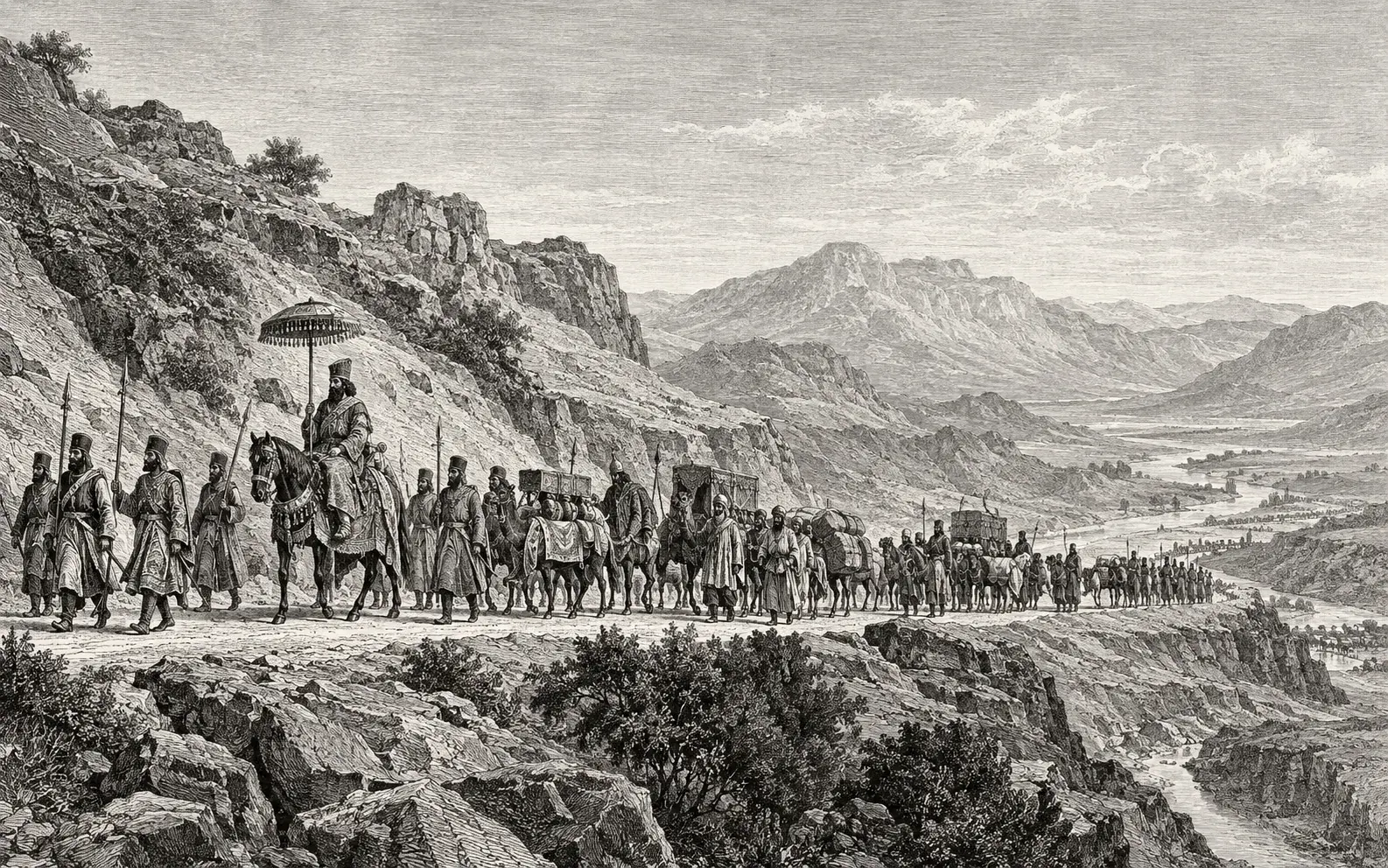
The Royal Road tied the satrapies of Anatolia to the Persian court, carrying messengers, troops and supplies.
Though the empire was multi-lingual and used the Aramaic script for many official documents, the Greek language appears to have been the preferred medium of communication between the various linguistic groups in Anatolia and the Aegean. Local Anatolian elites adopted Greek writing systems and coinage in part because they facilitated economic and administrative interaction with the wider empire. Greek was a useful tool for accessing power, because it was the language in which law and administration were conducted at local and imperial levels. The linguistic separation between the various local Anatolian languages and Greek became wider.
The year 499 BC witnessed a local uprising in western Anatolia, when the joint expedition of a Persian satrap and the Milesian ruler failed to achieve its objectives. The Milesian ruler feared that his life would be endangered should the expedition fail, and so he revolted, declaring a new political order and attempting to rally his fellow Ionian Greeks to his cause.
This appears to have reflected a more widespread dissatisfaction with Persian rule, but particularly with the disruptions to trade and the imposition of direct taxation (resented by the largely commercial oligarchies of the region). The Ionian revolt was eventually crushed by the Persians, but the intervention of the mainland Greek city-states in the suppression efforts (and their subsequent opposition to Persian rule) led to the series of Greco-Persian wars.
Anatolia was to become a contested region for the next fifty years, with shifting alliances between local Anatolian rulers (often under pressure from Persian governors), and with alternating support for and opposition to the Persian king. Resources were drained away from the central Persian administration in a series of increasingly expensive interventions in the region. The Greek city-states in Anatolia were often at the forefront of this resistance.
The war eventually ended with a Greek victory, and the rise to dominance of Athens as the leading naval power, but the rivalry between Athens and Sparta led to the Peloponnesian War, in which Persian support for the latter (from 412 BC) proved decisive. The regional power structure was left exhausted, and local rulers as well as the Persian court were eager to turn to other issues. The opportunity was seized by Philip of Macedon, who exploited the weakness of the Greek city-states to unify them under the League of Corinth, and then turned his attention to the long-standing rival, the Persian Empire.
Alexander, the Diadochi and State-Sponsored Urbanization
Alexander faced a fragmented Persian empire, its satrapies poorly administered and its resources significantly diminished by the prolonged wars with the Greeks. With his experienced phalanx and cavalry, and his lighter troops, Alexander was able to conquer Lydia and central Anatolia, seizing key cities such as Sardis and taking control of the Royal Road. His aim was to appropriate the administrative and military structures of the Persian empire and he was to use them extensively throughout his campaigns. In effect, the conquest of Anatolia marks the beginning of the Hellenization of the region.
Following Alexander's death, his empire was divided amongst the Diadochi, his former generals, who fought a series of wars before a rough division of the territories was made by 280 BC. Anatolia was contested between the Attalids in the west and the Seleucids in the east, but in effect the Diadochi ruled over isolated city-states with large rural areas under their control.
Each of these rulers faced the problem of organizing an effective administration over a region of considerable diversity, and the solution was to be found in state-sponsored urbanization. The Diadochi established or re-founded poleis at regular intervals (approximately every fifty to one hundred miles) along the length of Anatolia. These were surrounded by lands suitable for taxation, and had defensive works and garrisons to aid in their defence (against other Diadochi, Celtic Galatians, local rulers) and to serve as recruiting centres. These new cities also had Greek civic institutions and were peopled with settlers from all over the Greek world, serving as a counterweight to the local populations and providing loyal troops and administrators.
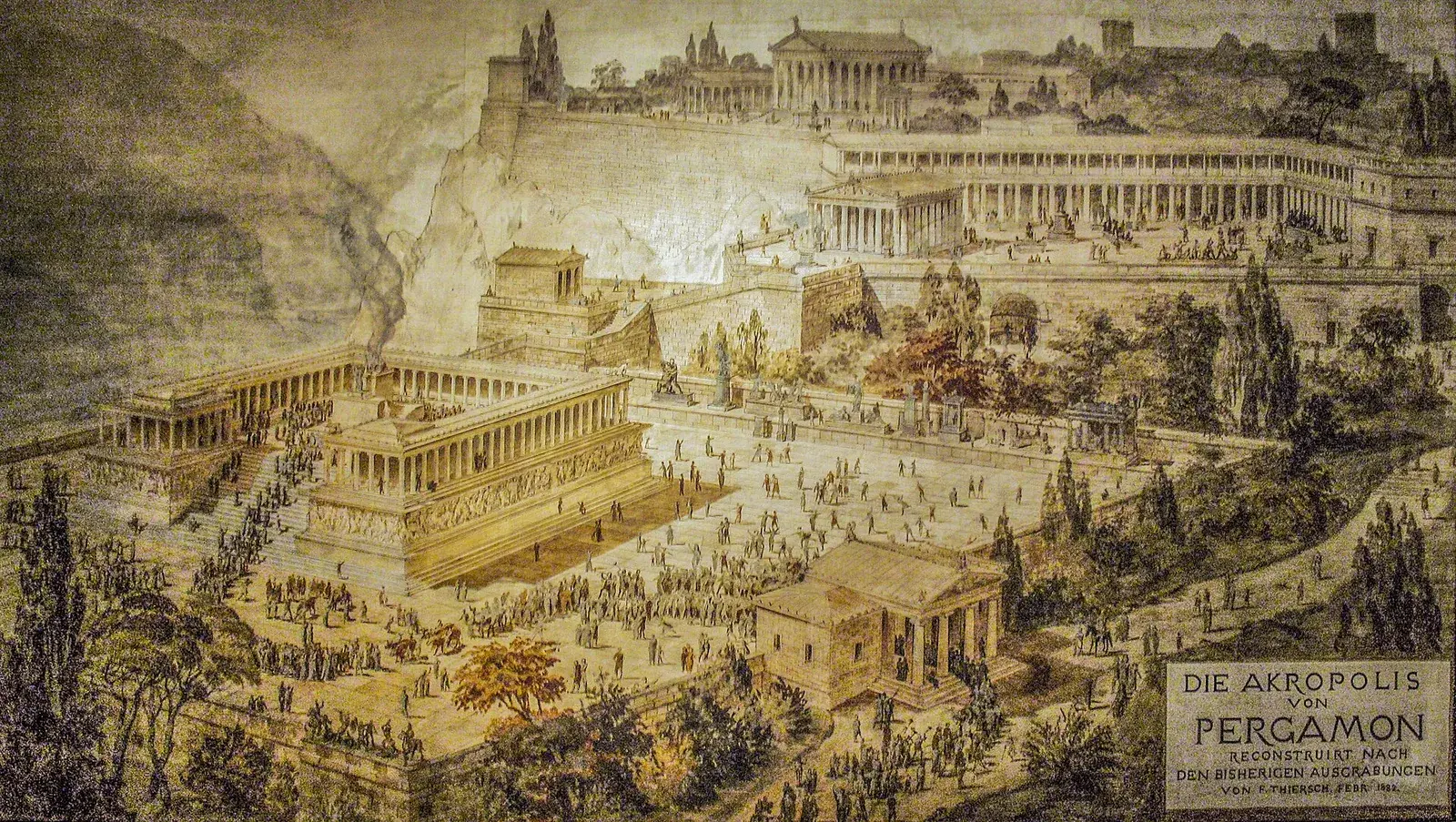
Hellenistic rulers such as the Attalids planted Greek-style cities across Anatolia to hold territory and supply loyal troops.
Image Credits: Anagoria, via Wikimedia Commons (CC BY 3.0)
The use of Greek institutions and practices in this context facilitated state revenues, trade, administration and social cohesion. Gradually local elites adopted Greek customs and practices, and inter-married with the settlers from the Greek cities, becoming increasingly hellenized. The distinctions between Greeks and Anatolians became blurred, except at the level of the local, rural communities who retained their languages, cultures and traditions, albeit diminished.
Though the local languages (Phrygian, Lydian, Carian) continued to exist for some time, this was in limited ways and largely isolated from the wider urban environment, where Greek was the dominant language.
Roman Anatolia and Greek as the Language of Law
By the third century BC, Rome was a dominant power in Italy and the western Mediterranean, and sought new markets and sources of raw materials. Anatolia, fragmented as it still was following the struggles between the Diadochi and the intermittent incursions of the Celts, presented opportunities for expansion.
The mountainous terrain and the lack of a central authority made control difficult, but the local rulers, such as those of Cappadocia, Bithynia, Pontus and the city-states along the Aegean coast, were willing to entertain Roman offers of military assistance and alliances. The Celts, who had made a significant impact on the region in the third century BC, continued to provide mercenaries and to settle in the region following their defeats in battles with the Greeks.
They displaced many of the local inhabitants (such as the Phrygians) and established the largely Celtic region of Galatia, filling the vacuum left by the Celts' inability to conquer Byzantium. They acted as mercenaries for the local Anatolian rulers, and as barriers against external enemies, but they were reliant on the local Greek populations and so became hellenized.
This created a regional situation in which the various local rulers were willing to accept Roman intervention to oppose their rivals. The Roman strategy of using diplomacy to balance the various factions, and intervening militarily when the opportunity arose, was to yield considerable rewards.
The increasing tensions between the local rulers and the threat they posed to Roman interests were to lead to the decisive intervention of Rome in 188 BC, when the Seleucids attempted to assert their authority over western Anatolia. This ended their ambitions in the region and allowed Rome to carve out a number of territorial divisions and reward its supporters. The region was not formally annexed, the existing civic institutions were maintained and the local autonomy respected, and Greek was to continue to be the language of law (rather than Latin), administration and commerce.
Anatolia remained a valuable asset to Rome, providing men, materials and markets. By the first century AD it had become a major economic and demographic centre of the empire, and the use of Greek as the language of administration and law effectively diminished any distinction between the various local languages and Greek in the cities.
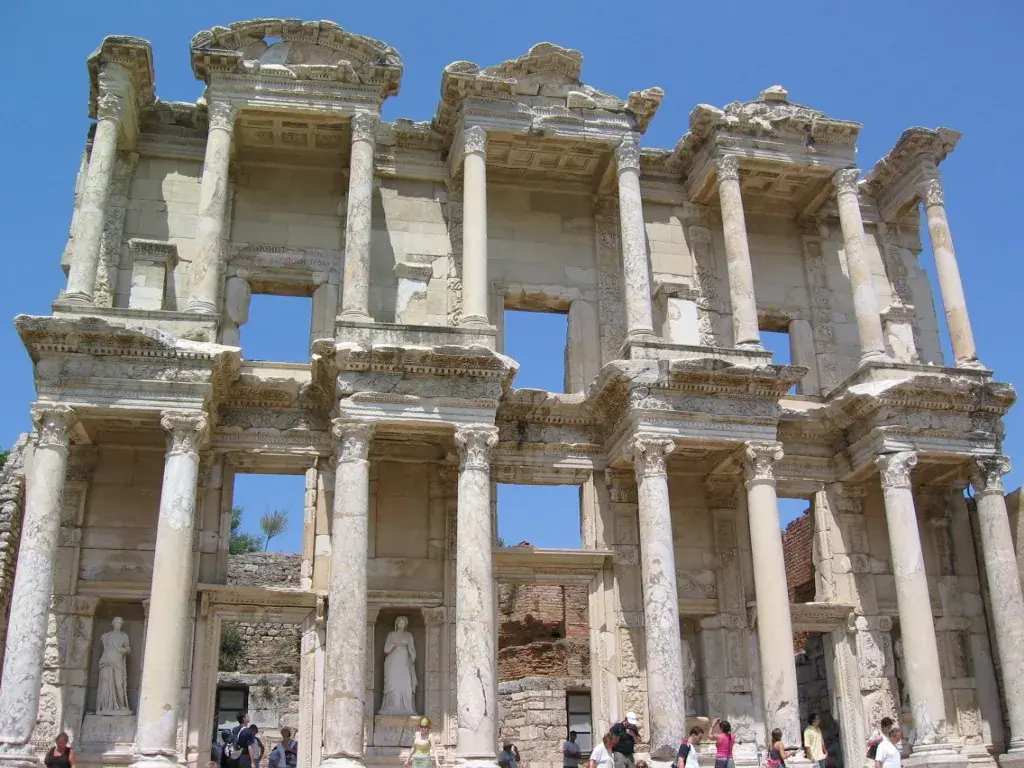
Under Rome, cities such as Ephesus flourished as Greek-speaking centres of Anatolia's economy.
Image Credits: Julien LOZELLI, via Wikimedia Commons (CC BY 2.0)
Constantinople, Christianity and Greek in the Countryside
Roman stability failed. Mid third century AD saw Rome face succession struggles which undermined central authority, Gothic raids which destabilized the coasts, the Plague of Cyprian which killed twenty to thirty percent of the empire's population. In the east the rise of the Sassanian Empire formed a permanent strategic rival, with control of Mesopotamia, the Armenian plateau and the Caucasian passes becoming a shared priority.
Tax rolls collapsed and revenues shrank, and Anatolia shifted from tax-collecting heartland to militarized buffer zone. That made the eastern provinces more critical still, as they were both more urbanized and wealthier than the West, generating the largest revenues. It was in this strained landscape that Constantine moved the imperial capital east in 330 AD, a very strategic move to close distance to the primary tax base, use the Bosporus for defence, control the corridor between Europe and Asia, and be able to react rapidly to events along the Danube and Euphrates frontiers.
His most consequential decision, though, was to fold Christianity into the imperial system. By the early fourth century Christianity was deeply entrenched in Anatolia's cities, with bishops, clergy and regional synods managing charity, resolving disputes, maintaining membership rolls and coordinating worship, functioning as a sort of administrative network. That accumulation of organization, loyalty and resources was a structural threat to the state, as an institution which could mobilize people, wealth and legitimacy outside of imperial control could form a rival. Christianity also offered a unifying ideology to transcend ethnic and regional division, replacing the patchwork of local cults.
The Edict of Milan legalized Christianity in 313, and Constantine went further, between 319 and 331 church courts were recognized, bishops gained access to imperial communication networks, and offerings treated as civic contributions. The Council of Nicaea in 325 standardized doctrine through the Nicene Creed. Constantine did not build a new religious bureaucracy, but annexed an existing one, and in 380 with Theodosius I, Nicene Christianity was the only legal form of public worship.
For language this was decisive. In the eastern empire Christianity functioned overwhelmingly in Greek rather than Latin, and as it expanded into rural Anatolia, it did not adopt local languages, but drew rural populations into a Greek-speaking institutional world. The Church extended Greek beyond urban administration to faith, doctrine and salvation, finishing a process centuries of imperial rule had already begun.
The empire nevertheless remained fragmented, too large and unequally developed for a single fiscal and military system. Unlike Egypt, Syria or Anatolia, the western provinces were poorer, less monetized, more rural, and increasingly unable to finance frontier defence, divided command became a necessity for practicality. In 395 the empire was formally split, the West dominating in Latin, the East overwhelmingly in Greek-speaking.
Cappadocia and the Uneven Pace of Hellenization
One caution before closing, as the process was gradual and genuinely uneven. It moved much faster in western Anatolia, with Phrygian being spoken into the third century AD, while the Lydian vanishes from inscriptions by the first century BC.
The contrast is sharper inland, and Cappadocia is the clearest example. Unlike the Aegean coast, it never developed dense networks of autonomous cities, remaining dominated for much longer by villages, estates and military settlements. Its landscape of volcanic rock, deep valleys and high plateaus made centralized control difficult, helping to preserve older linguistic patterns well past their disappearance elsewhere.
| Power | Period in western Anatolia | Role of Greek |
|---|---|---|
| Lydia (Mermnad dynasty) | c. 700–546 BC | Lydian elite adopts Greek customs; Greek cities pay tribute |
| Achaemenid Persia | c. 546–334 BC | Working language between Anatolia's linguistic groups |
| Alexander and the Hellenistic kingdoms | 334–133 BC | Language of newly founded Greek-style cities |
| Rome (province of Asia from 133 BC) | From 133 BC | Language of law, administration and commerce |
None of this happened due to a sudden invasion, population replacement or some inherent cultural superiority. Anatolia became Greek because of the importance and usefulness of the language with each new ruling power - the Lydian kings buying reputation at Delphi, Persian satraps needing accountants on the Aegean coast, Macedonian generals planting cities to hold territory, Roman governors finding Latin unnecessary, and finally bishops bringing Greek scripture to villages, no tax collector bothered with.