The Turks did not originate in Anatolia - they began much further east, on the Eurasian steppe, home to great herds of animals, a system of tribute and movement, and no concept of a capital.
Today the Turkic peoples inhabit a huge area from Anatolia to China consisting of various ethnic groups such as the Turkish, Azerbaijani, Uzbek, Kazakh, Kyrgyz and many others living both in Russia and China. It should also be noted that these peoples are quite different from each other, and the only thing connecting them is the language. From this perspective the Turkic languages are quite a coherent group - it's not easy to find a language that doesn't follow certain universal rules of Turkic speech. It is this linguistic unity, as well as the numerous dialects, that is found throughout the entire stretch of land covered by the Turkic peoples.
The steppe and the fundamentals of pastoral nomadism
First of all, it is necessary to understand what kind of geography and how the way of life of nomads differed from that of sedentary civilizations. Eurasian steppe is a huge geographical region that stretches from China to Eastern Europe for thousands of kilometers. This region has always been characterized by extremely long and cold winters, by hot and dry summers and relatively poor vegetation. Consequently, agriculture in this region was underdeveloped, and the population mostly survived due to animal husbandry.
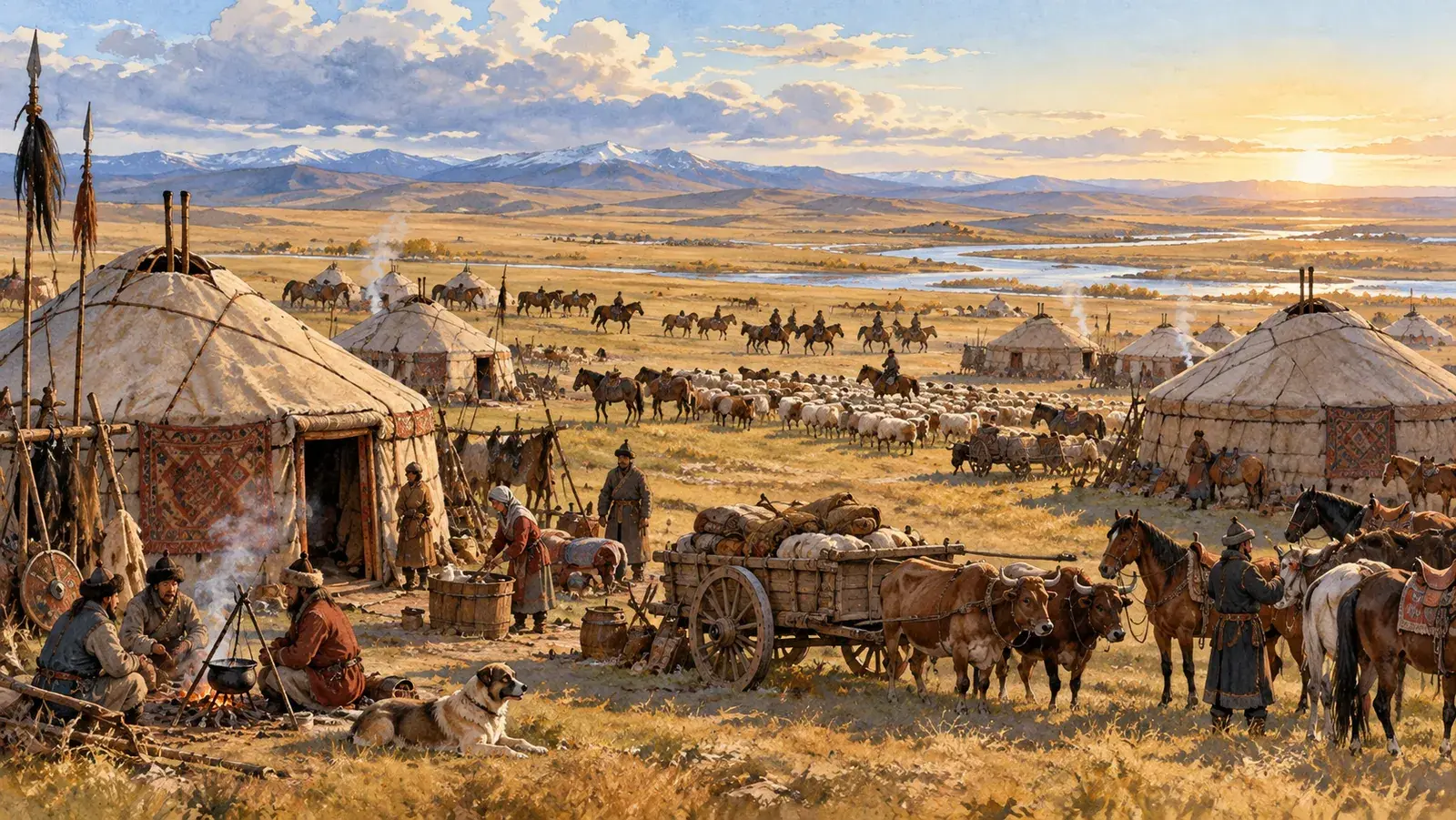
The vast, arid grasslands of the Eurasian steppe shaped a mobile, herding way of life very different from the farming societies the Turks would later encounter.
It is in this environment that the social and political roots of the Turkic states were formed. Nomadic tribes were organized into loose confederations on the principle of kinship, and their leaders were obliged to ensure good winter pastures and the security of trade routes. For the most part, the wealth of the steppe tribes was measured in livestock, rather than precious metals and stones, which determined the foundations of the social hierarchy. Although the resources available to the steppe people were limited, their military potential was high, which often allowed them to dominate local sedentary civilizations.
Due to the specific conditions of life in the steppes, the political organization of these people could not resemble the centralized governments that the Turks would encounter in Persia, India or China. The steppe society was a mobile one, its bearers often moved from one place to another in search of more favorable conditions for keeping animals. The population was distributed in small groups nomadically, which determined the political fragmentation - there were no strong central authorities capable of imposing their will on other tribal groupings. Instead, various tribal alliances were formed, which usually had a clear chief who directed and coordinated the actions of the alliance.
It is also important to understand that the economic basis of the Turks was related to the caravan trade, as well as to the exchange of goods with the neighboring civilizations. In addition, steppe warriors had a tremendous advantage over the settled ones, as they could move quickly from one point to another.
Due to the limited resources of the steppes, the economic development of the Turkic tribes was quite modest. Its essence was the exchange of animal products for agricultural goods, arms, and luxury goods. Nomad caravans served as the main carriers of trade between nomadic and settled societies, thus connecting different parts of the economy. It was this vital role that the steppe tribes played at the time of the early Turkish states, often allowing them to acquire considerable wealth and resources.
The ancient Turkic tribes and their impact on history
The exact origins of the Turks are difficult to pinpoint, since the Turks themselves did not leave any written records. However, it is known that the ancient Turkic tribes had their settlements in the basins of the Yenisei, Ob, Irtysh, and other rivers.
Chinese historical records date back to the 2nd century BC and mention the Wusun people, a confederation of Eurasian nomads, who lived in the region stretching from the borders of present-day China to the west of the Altai. They were probably the first Turkic confederation, although it is not entirely clear whether the Wusun Turks were actually Turkic. The Chinese also called the locals the "Eastern Barbarians." Given the proximity of Wusun territory to the Chinese, it is logical to suggest that this tribe played a significant role in the development of the early Turkish society.
Probably deriving from the same sources as the Wusun, the Xiongnu confederation controlled a vast territory stretching from Lake Baikal to the Mongolian Plateau. They were also a multiethnic group, mainly composed of proto-Turks and proto-Mongols. The strength of the Xiongnu was due to the large herds of horses that could only be obtained through good breeding practices. This allowed the Xiongnu to equip their soldiers with a new weapon - a composite bow.
The success of the Xiongnu was also due to their unique social and political structure. Unlike earlier confederations, the Xiongnu were organized as a centralized state with a supreme ruler, the Chanyu, and a well-defined management structure under him. This allowed the Xiongnu to exert influence on all neighboring states and significantly impacted the early Turkish society. The power of the Xiongnu Chanyu was based on the Tengrism religion, which was the national one for all Turks and nomads. It was believed that Tengri, the personal deity of the Turks, chose the Chanyu in the most worthy person. An important feature of the religious beliefs was the cult of ancestors which served as a means of devotion to Tengri.
Ancient historians also note that the Xiongnu were pioneers in developing the Silk Road trade routes, which were extremely lucrative for those involved in them. These historians also emphasize that the Xiongnu were excellent horsemen, which gave them a military advantage. Armed with iron weapons and composite bows, the Xiongnu warriors were among the most feared and skillful warriors of the time.
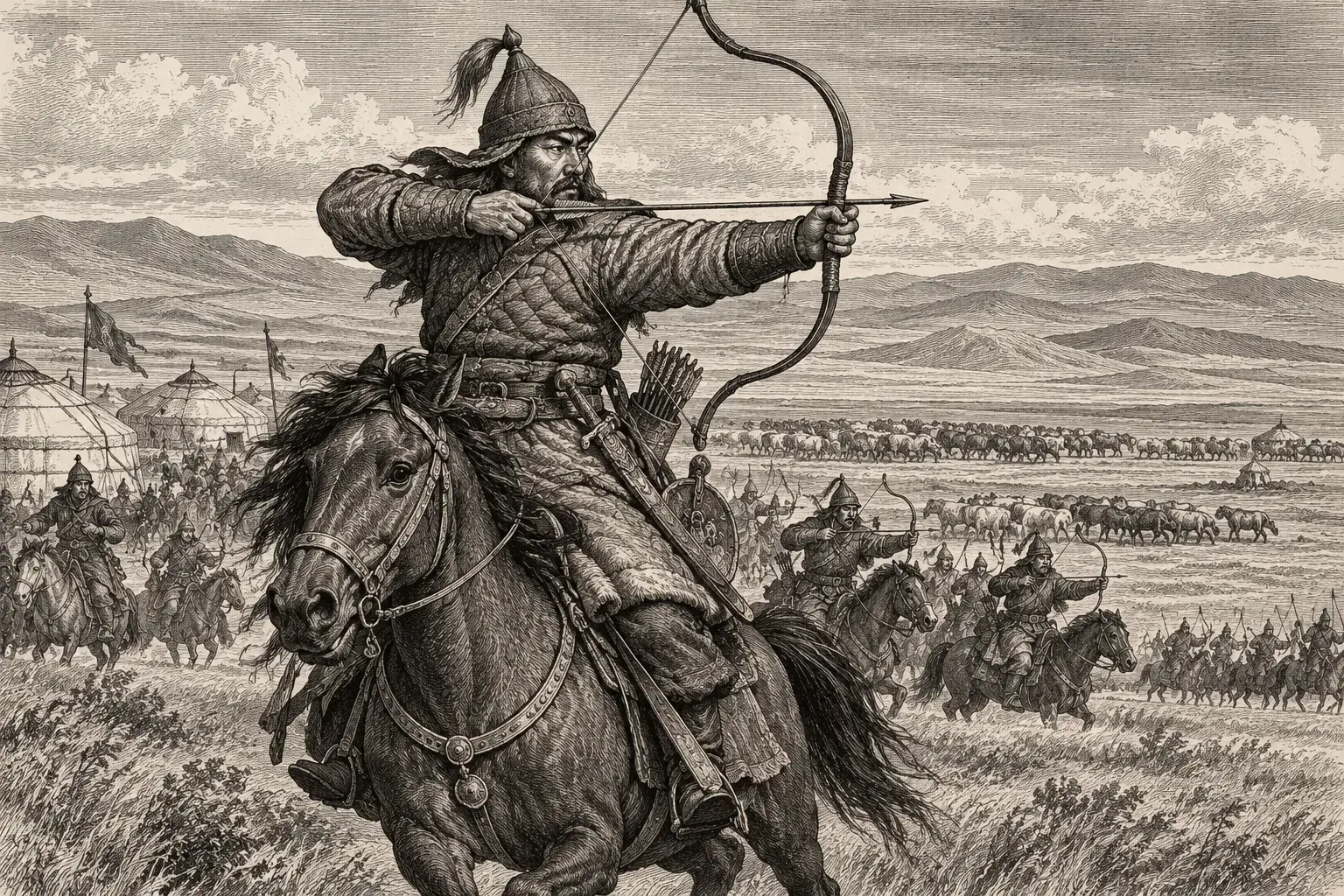
Composite bows and vast horse herds gave Xiongnu horsemen a decisive edge over the slower, more heavily equipped armies of settled neighbors like Han China.
The downfall of the Xiongnu was due to both internal and external factors. First of all, the weakening of the central power was caused by the inability of the Chanyu to form a united front of all tribes against external enemies. The main reason for this was the complex system of inheritance, which provided a small number of people with the opportunity to inherit the position of the Chanyu. When a new Chanyu was elected, the entire society experienced enormous difficulties associated with the distribution of resources between the different groups and tribes. In addition, external enemies, namely the Xianbei, significantly weakened the Xiongnu, which led to their gradual disintegration.
The Tiele and the fall of the Xiongnu
One of the powerful Türkic confederations that emerged after the fall of the Xiongnu was the Tiele. It was in the Tiele that the first traces of the Turkish identity were revealed, since this tribe has left many linguistic traces in the modern Turkic languages. The Tiele controlled the vast territory of the Altai Mountains and was a strong military power.
After the disintegration of the Xiongnu, the Tiele, along with other tribes, actively tried to capture the most prosperous regions of the steppe. The resources of the Tiele included iron, gold, silver and copper, which, together with good grazing pastures, provided the material base for the development of the early Turkish society. Moreover, according to some historical scholars, it was in the Tiele that the first Türkic texts appeared, albeit in an unknown language.
Historical sources note that the power and resources of the Tiele nomads were partially due to their favorable location near the sources of goods. However, the majority of the wealth was due to the strong position of the Türkic tribes in the Silk Road trade, as well as the good relations of the Tiele with the Chinese. In particular, the Tiele sold luxury goods and weapons to the Chinese in exchange for silk, which was extremely valuable to the nomads.
A new confederation of the Türkic tribes also arose as a result of the disintegration of the Xiongnu - the Rouran. One of the branches of the Rouran tribes was the Ashina, who gained control of the metallurgical industry in the north of the Altai Mountains. This ability to produce and sell metal products was extremely profitable for the Ashina, which allowed them to withstand their rivals and form an independent tribal union.
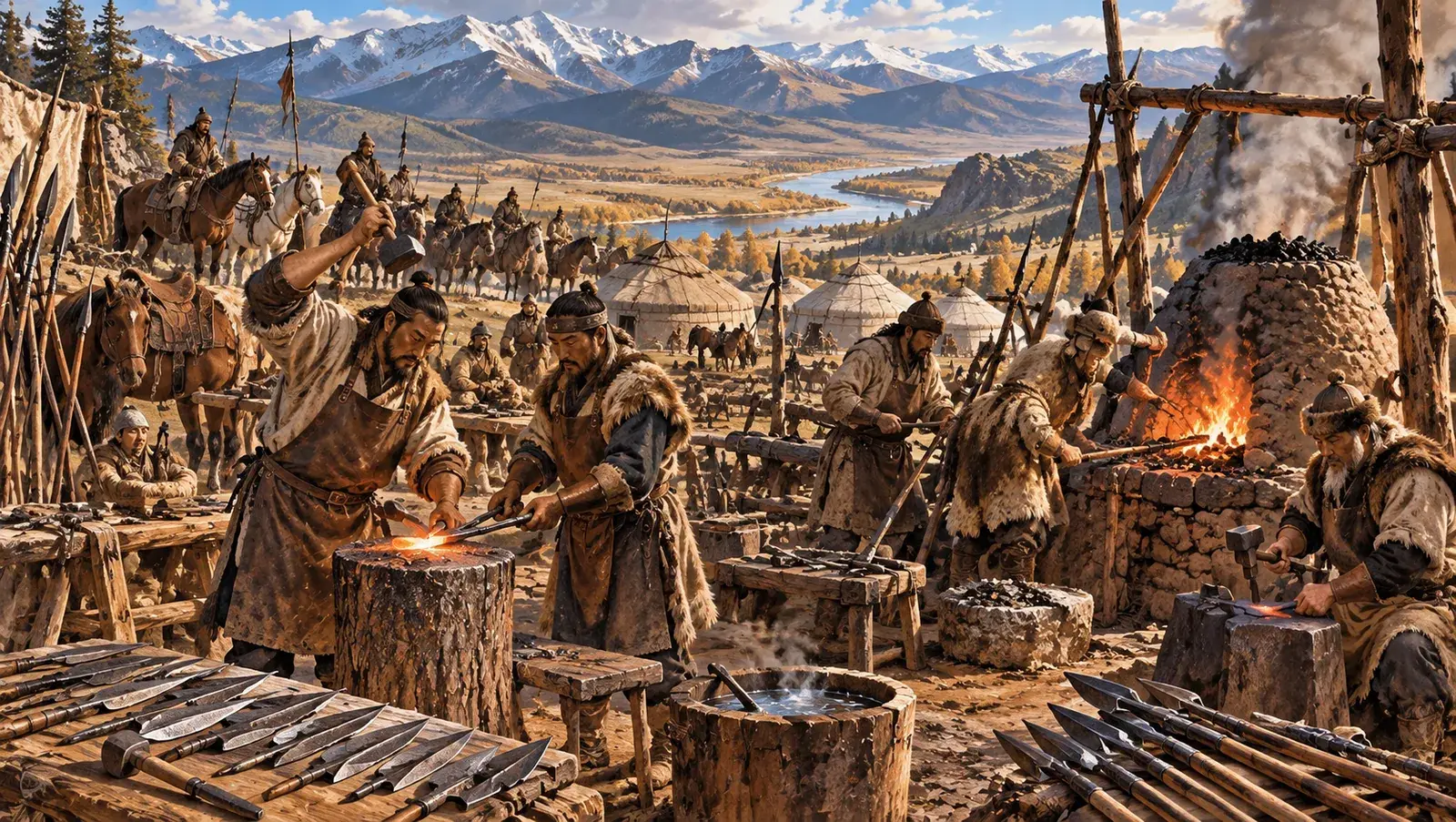
Generations of ironworking for the Rouran left the Ashina clan with the metallurgical know-how, and eventually the confidence, to forge an empire of their own.
The Ashina clan and the fall of the Rouran
The fall of the Rouran was the result of both internal and external factors. First, the Rouran Khan was killed, which led to the weakening of the central power and the separation of the tribes. This event, as well as the continuous raids of the Xianbei, significantly weakened the Rouran, which made it easier for the Ashina to capture part of the Rouran resources. Nevertheless, despite all the problems, Rouran still remained a strong state, controlling vast pastures and riches.
The final blow to the Rouran was dealt by the Ashina, who, having allied with the Western Wei, launched a powerful attack on the Rouran troops. The outcome of this attack could have been fatal for the Rouran if it had not been for the intervention of the Western Wei's war chief. However, the Rouran were unable to resist the combined forces of the Western Wei and the Ashina and were forced to retreat.
According to historical sources, the Rouran and Ashina clans were absolutely different from each other. The Rouran had close ties with China and often visited the Chinese cities, while the Ashina were more closed towards the Chinese. However, despite the good relationship between the Ashina and the Western Wei, the Ashina launched a devastating attack on the Western Wei after they promised to help the Rouran. This aggression was due to the fact that the Western Wei not only refused to fight, but also stole the resources of the Ashina.
The fall of the Rouran and the rise of the Turk
The fall of the Rouran was an important event in the history of the early Turkish society. On the one hand, the fall of the Rouran allowed the Turks to capture more resources and increase their wealth. On the other hand, the fall of the Rouran led to the weakening of the central power and the separation of the tribal rulers, which had a negative impact on the further development of the Turkic society.
It was the Uighurs and the Göktürks who later became the strongest confederations in the region and played an important role in the history of the early Turkish society. The Uighurs were a strong and agile tribe, which was largely due to the fact that it was the best breeders of horses in the steppe region. This advantage allowed the Uighurs to equip themselves with the best weapons and become excellent and fierce warriors. In addition, the Uighurs also had a strong centralized government and a clear vertical hierarchy.
The Göktürks were another confederation of the Turks that was also very powerful and played an important role in history. The Göktürks were a strong cavalry, which was due to the good knowledge of the art of war, as well as the rich pastures and suitable climatic conditions for breeding animals in the area where they lived.
The Göktürks, Sogd and White Huns
According to historical sources, the Göktürks were quite an aggressive tribe that was eager to expand its territory. They were primarily engaged in animal husbandry and agriculture, but they also traded actively with neighboring countries and often participated in wars.
One of the main obstacles to the expansion of the Türkic power was the White Huns, who owned vast resources and built strong alliances with neighboring tribes. In addition, the White Huns were an ancient and respected tribe that was followed by many people due to its rich history and cultural tradition. The Göktürks were also opposed by the Sogd, who were the main commercial power in the region and played an important role in the development of the Silk Road trade.
The White Huns were a strong enemy of the Göktürks, who managed to unite a powerful army of more than 30000 warriors. Despite the strength of the opponents' army, the Göktürks courageously fought and defeated the White Huns. This victory was highly significant for the Göktürks as it allowed them to expand their borders and gain access to the Silk Road trade.
The main resource for the Göktürks was the Sogd, who played an important role in the development of the Silk Road trade and became an important ally of the Göktürks. The Sogd were an Iranian tribe who lived in the basins of the Amu Darya and Syr Darya Rivers. They were the main carriers of trade between India and China and therefore played a very important role in history.
The Sogd were a powerful people who actively developed the caravan trade and were very skilled diplomats. The cities of Samarkand and Bukhara were the main centers of culture and science of the Sogd people and played a major role in supporting the Türkic caravans. The Sogd also played a big role in developing the writing system and the Turkic language.
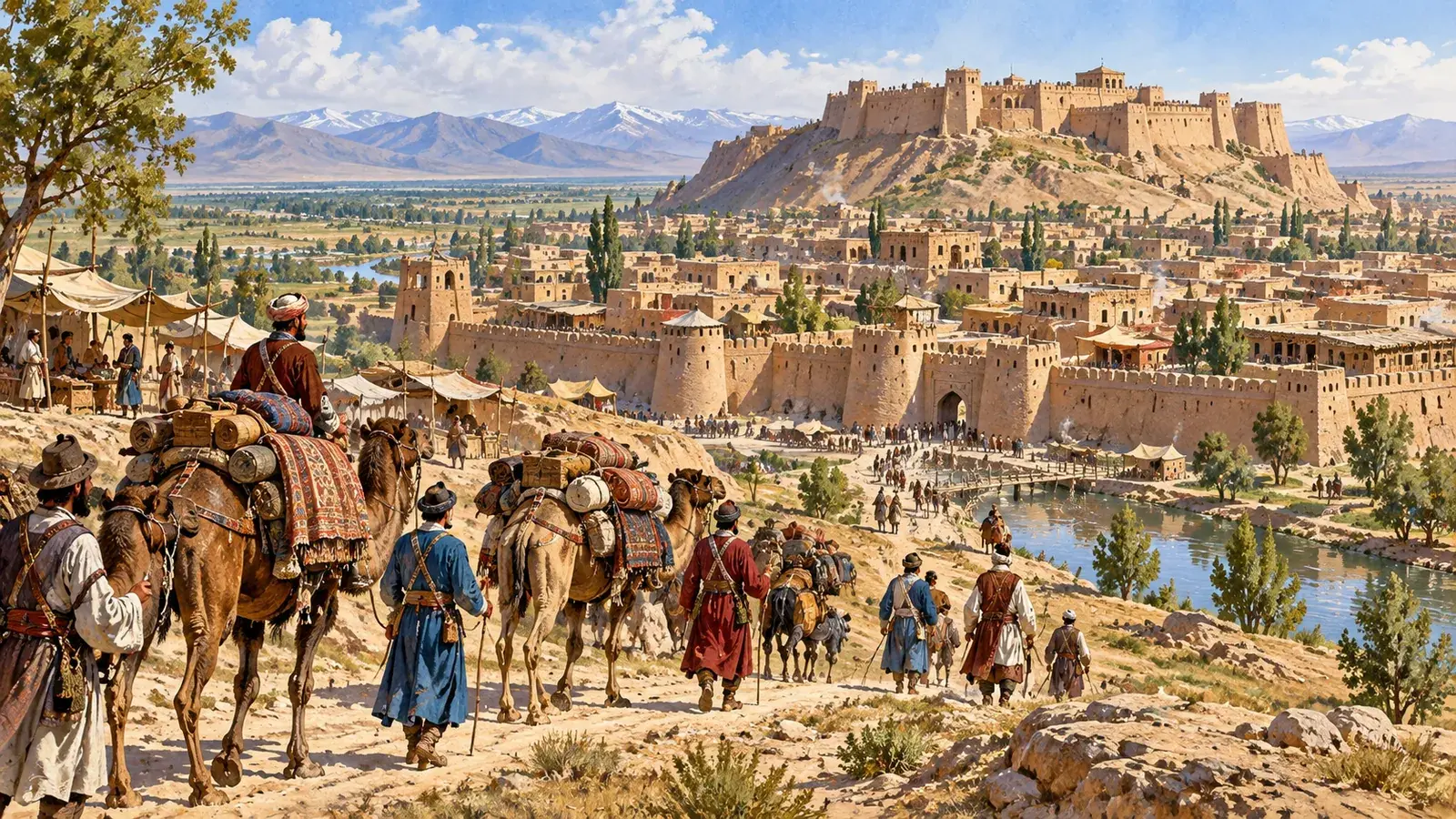
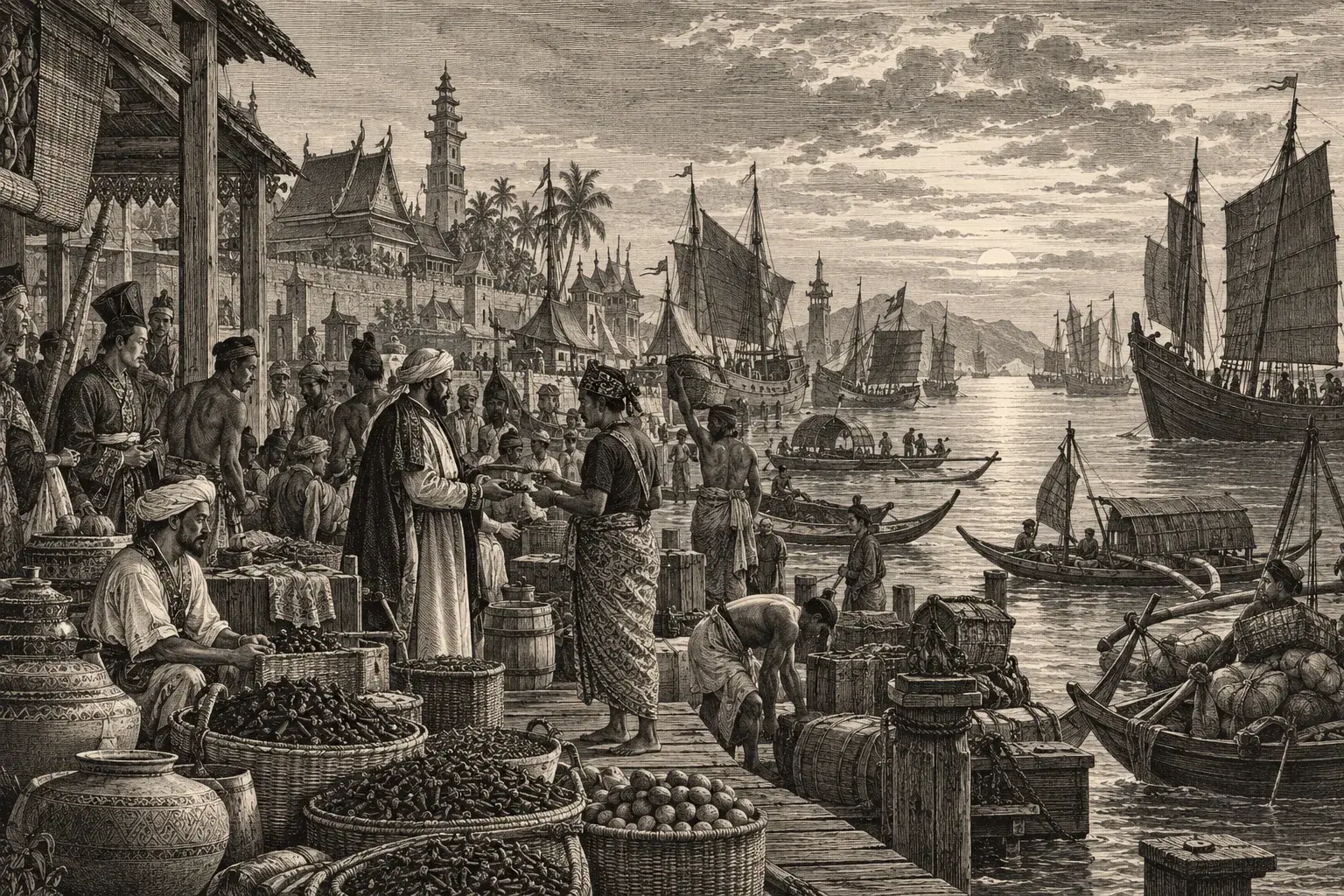
Samarkand and Bukhara anchored the Sogdian trade networks that helped bankroll the Göktürks' wars and carried goods, and Turkic language, across Central Asia.
The main consequence of the victory of the Göktürks was the expansion of the Silk Road trade. It became much more extensive and consisted of many caravans that traveled to distant countries. However, the expansion of the Silk Road was also associated with conflicts, as the White Huns and the Göktürks became enemies. The defeat of the White Huns was also due to the fact that the Göktürks received considerable financial assistance from the Sogd, as well as the fact that the Sogd provided their warriors with weapons.
The White Huns, the Sasanids and the Göktürks
After defeating the White Huns, the Göktürks became the strongest confederation in the region. However, this did not stop the Göktürks from trying to expand their borders and conquer new territories. Despite the significant assistance from the Sogd, the Göktürks faced a rather strong opponent in the Sasanid Empire.
The Sogd played an important role in the Göktürks - Sasanids war, as they actively provided the Göktürks with military assistance and resources. It was partly due to the Sogd that the Göktürks managed to defeat the strong Sasanid army. Nevertheless, the military actions of the Göktürks were complicated by the fact that the Sogd and the Sasanids were also allies and therefore could not openly declare war on each other.
Seljuk, Dandanaqan and the Turco-Islamic Synthesis
By the tenth century the Moslem world was a patchwork of regional dynasties - Tahirids, Saffarids, Samanids, Buyids, Ghaznavids, Qarakhanids - all employing Turkic soldiers while claiming nominal Abbasid legitimacy.
Among the various Turkic groups that arrived into this region was a man called Seljuk, the leader of the Kınık clan of the Oghuz. Seljuk, initially a commander under the loose confederation of tribes in the region, appears to have rebelled against his overlord the Yabghu, possibly concerning pasture rights or tribute, and led a band of supporters westwards to Jand, a frontier town on the lower Syr Darya situated between the nomadic steppes and the Muslim city.
Upon the Samanid frontier the Seljuks found themselves within the sphere of influence of Central Asian Moslem dynasties, but not as mercenaries. The Seljuks provided troops on their own terms, and the ruling Persian dynasties bought off the Turkmen band or gave them pastures or border lands - not for employment but to prevent them raiding. Effectively the Seljuks were a self-supporting autonomous tribal force, bargaining from a position of mobility and strength.
Over time Seljuk's band converted to Islam, providing political legitimacy and access to Moslem market places. For the newly converted Turkmen the concept of ghazā (holy war) provided an ideological fillip, justifying conquest of lands while simultaneously converting traditional nomadic raiding into a pious activity waged against unbelievers and heretics alike. By the time of Seljuk's death in the early eleventh century he had converted a band of wandering nomads into a well organised Islamised community living within the Moslem frontier.
Population growth and increased livestock meant a constant need for new pasture, and under Seljuk's successors Tughril and Chaghri Beg the tribe ventured deeper into Khorasan, where the Ghaznavids - having replaced the Samanids as the dominant power - were regarded with suspicion by the Turks. The Ghaznavids were themselves a Persianate Turko-Moslem group, who both considered the Seljuks to be a threat as well as a potential asset, attempting to settle the Seljuk tribe on the frontier as auxiliaries. It never worked. The Seljuks remained autonomous, growing in strength and attracting more Turkmen bands. As the Ghaznavids became weakened and factionalised in the 1030s, the tide turned and at Dandanaqan in 1040 the Seljuks saw off the Ghaznavids with a decisive defeat.
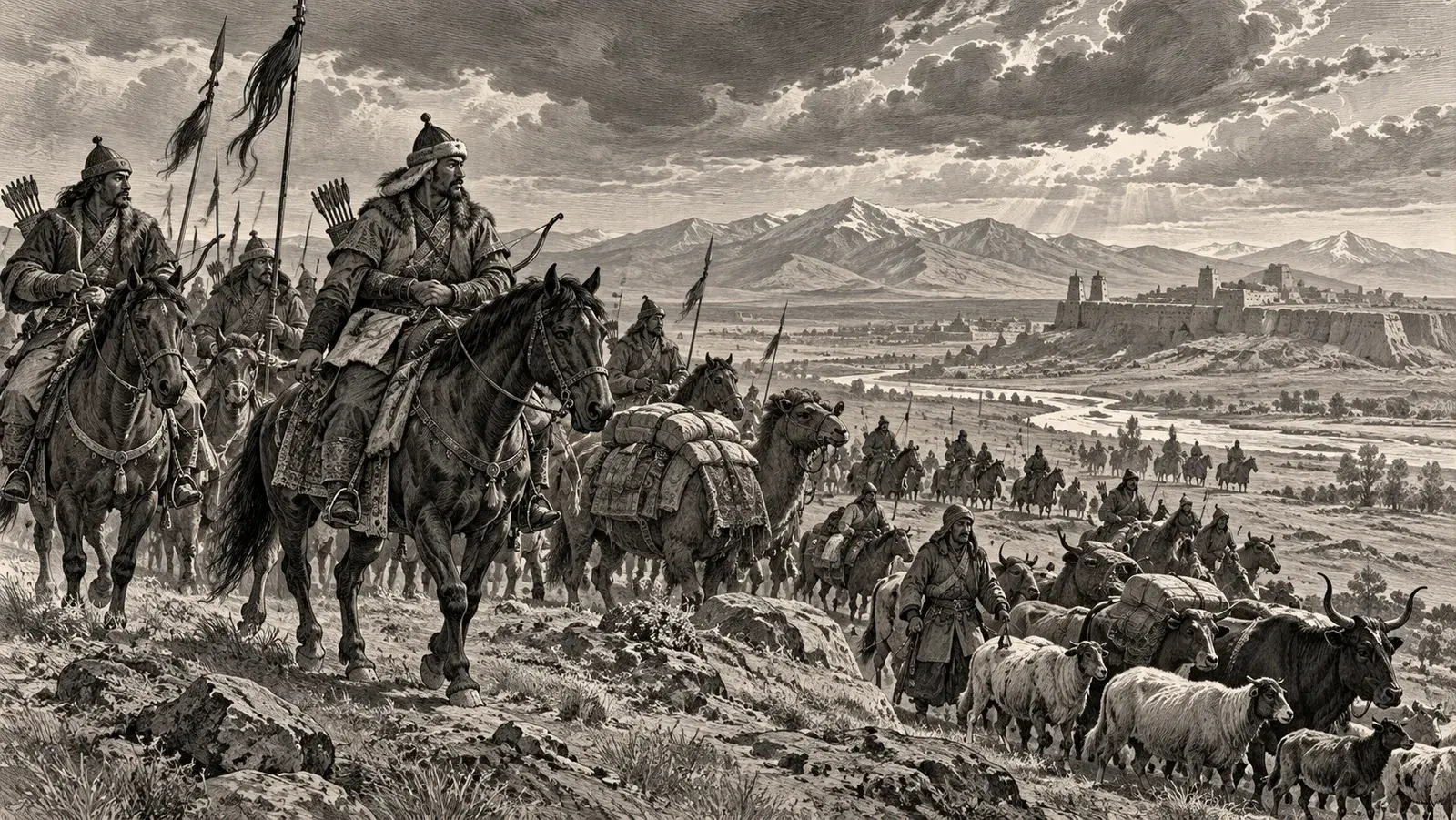
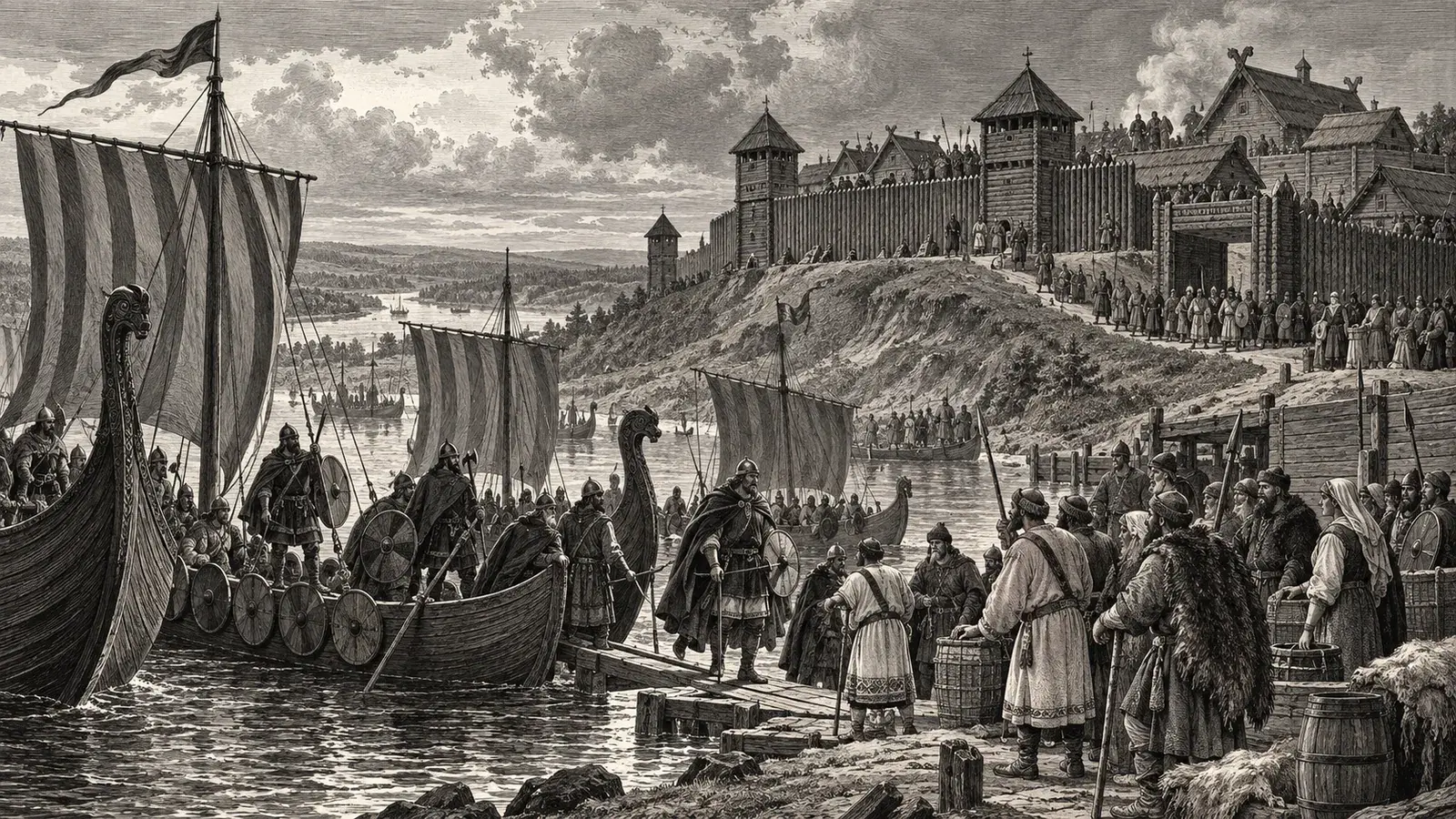
Population growth and the constant search for new pasture pushed Seljuk's Oghuz followers ever further from their homeland on the Syr Darya.
What followed was not a rapid conversion into urbanised palace kings. The Seljuk power base remained with the fiercely independent Turkmen nomads who not only clashed with the settled agricultural areas, but also with the tax raising mechanism these areas provided. The answer came in two forms. They worked with the Persian administrators to set up a stable government, tax collection system and laws. Also, the Turkmen were directed westwards, away from the Persian heartlands and their tax revenues.
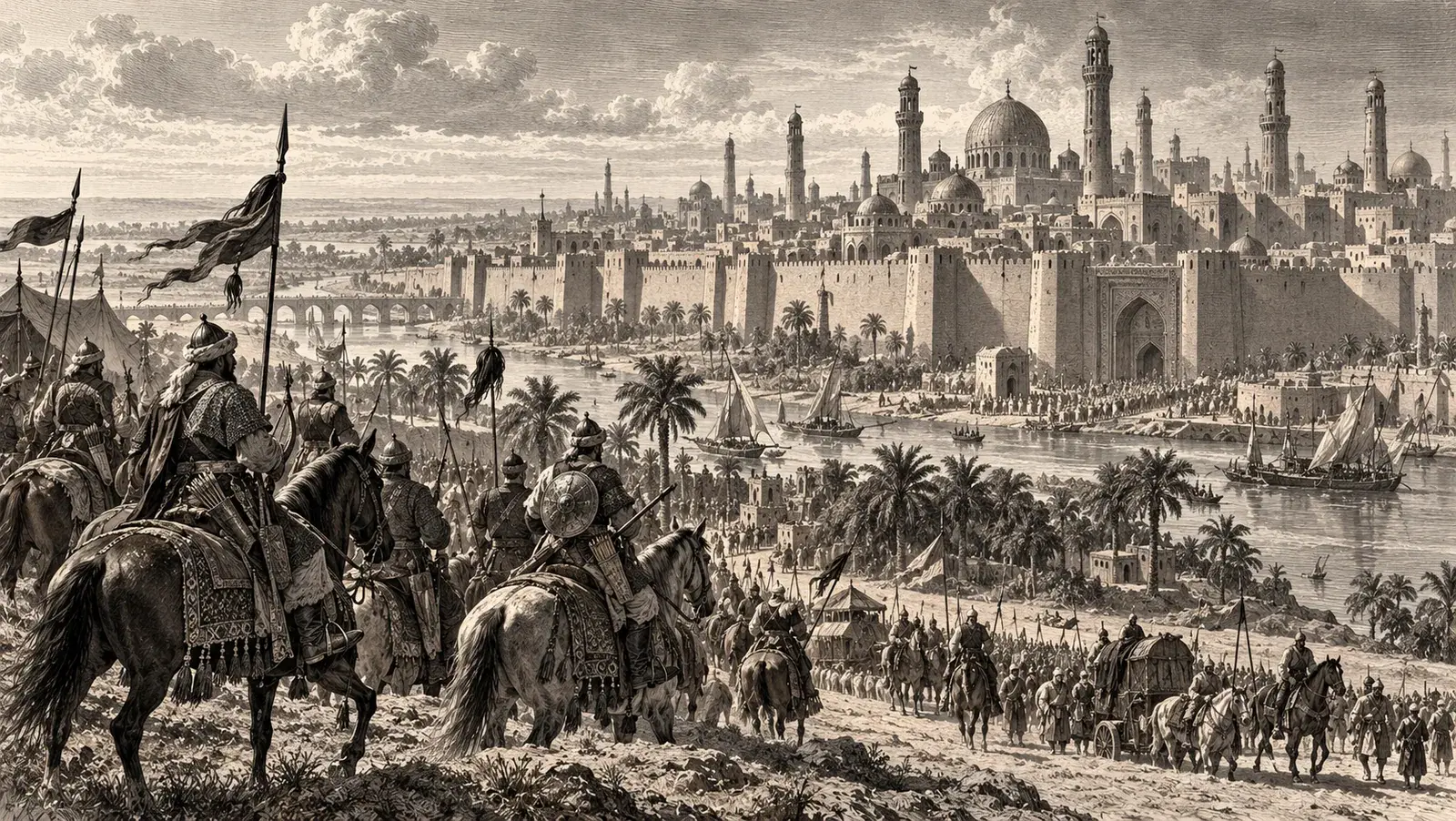
Tughril Beg took advantage of the situation to consolidate power over Iran and Iraq, attacking Baghdad in 1055. The city was under the control of the Buyids, a Persian Shiʿi dynasty who were unpopular among the Sunni majority, and the Seljuks were welcomed in as liberators. The Seljuks overthrew the Buyids, reinstating the Sunni Abbasid caliph as a figurehead, and in return Tughril was proclaimed as Sultan - effectively a political and Moslem legitimacy grab. His successor Alp Arslan and Persian vizier Nizām al-Mulk further refined the system and pushed the Turkmen raiding parties out towards north western Iran and the Armenian highlands.
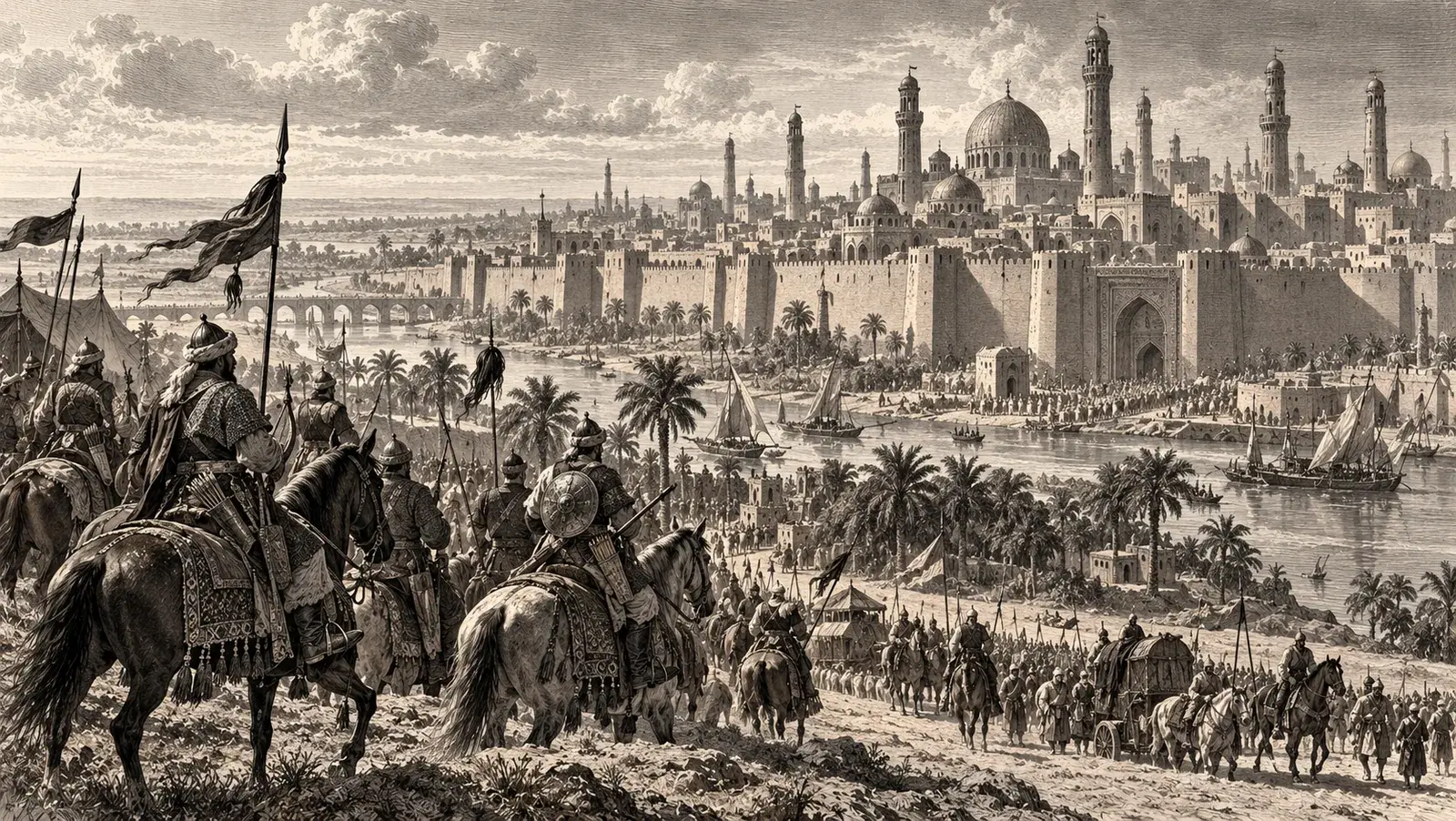
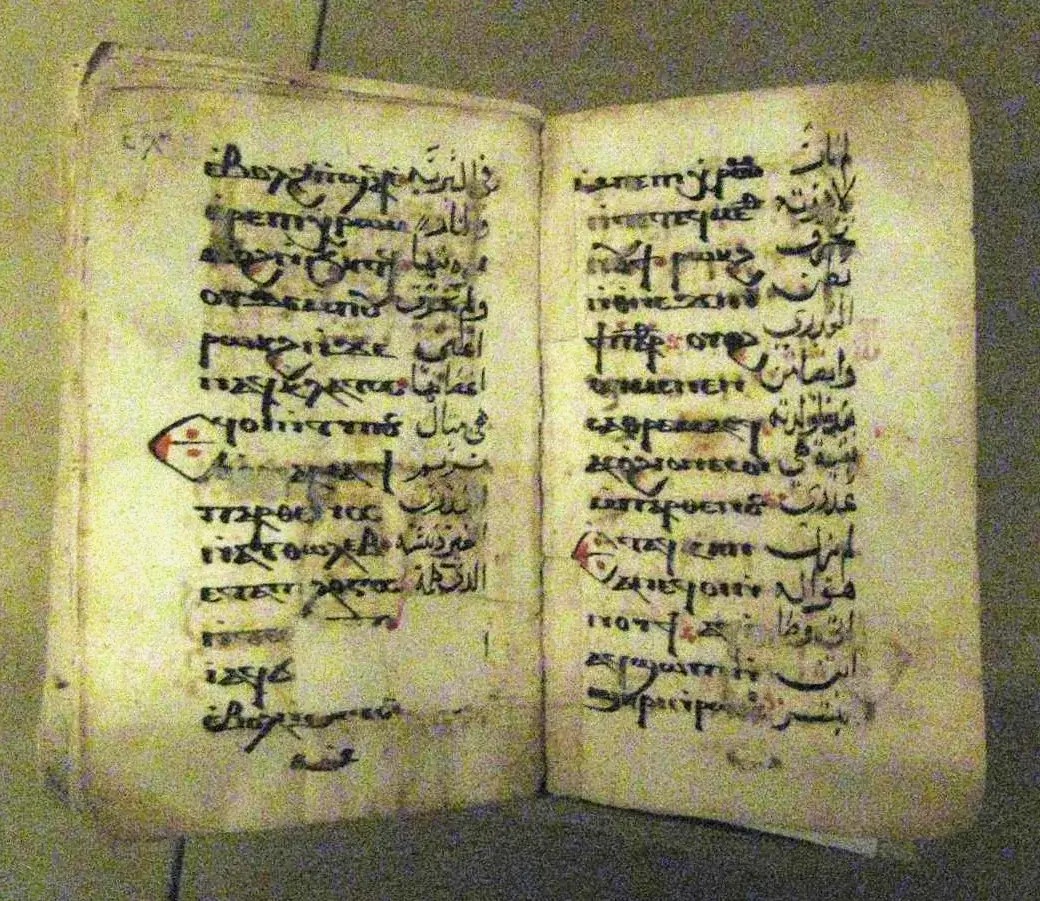
When Tughril Beg's forces entered Baghdad in December 1055, the city had been under Buyid control for over a century.
The cultural package was as important as the political settlement. Islam provided the unifying factor of the different groups of nomads, merchants and scholars. Persian was the lingua franca of administration and literature, Arabic the language of religion and the sciences, and Turkic the speech of the army. This division of labour is known as the Turco-Islamic synthesis - the pastoral military strength, urban bureaucracy and religious legitimacy were all in balance.
By the 1060s the Seljuks were at the gates of Anatolia. All the events that followed are the product of the same environmental, commercial and political factors that have shaped the steppes for a thousand years.