The book of Ezra tells of a journey from exile back to the homeland. The people had spent 70 years of their life in a foreign land, far away from the ruins of their beloved city Jerusalem and the Temple that was burned in the fires of war. But then the decree came from the most powerful king on earth, telling the exiled people to return to their land and rebuild the house of their God.
The restoration from exile, as well as rebuilding the Temple, is a story full of hope, promise, and perseverance. It shows the incredible strength needed to return to your roots and the faith in doing so, as well as a true promise of support from above.
The Promise Comes True
After being in captivity for so long, the people of Judah and the exiled nation believed that their worst time had come and gone. Even when the prophets spoke about the future restoration, it was not easy to believe that it would happen soon. But then, the time came, and it was fulfilled. God brought the exile people back to their land through the changes in the world government. Babylon fell, and a new Persian Kingdom was built, ruled by a great king called Cyrus.
God told His people that Cyrus would decree that they could return to their land and rebuild their temple. The Bible tells us that God had given this to the heart of the Persian King to hasten the time of exile for restoration. So, Cyrus ordered the people to return to their land and rebuild their holy house, even giving them the gold and silver wares taken from the old Temple by Nebuchadnezzar. Thus, about half of those who came back were residents of the Persian Kingdom, and the rest returned home with Zerubbabel, the governor, and Jeshua the priest. And so, the long journey from exile began, which lasted for about a month.
Seventy years after Nebuchadnezzar's armies had marched them out in chains, about fifty thousand exiles set out in the opposite direction. King Cyrus had issued the decree, and the long journey home began.
The First Altar, Then the Temple Foundation
Upon arrival in Jerusalem, the people saw the ruined city, as well as the site of the Temple, which was a pile of ruins. But the people did not despair and were eager to start rebuilding their holy house. However, the first buildings to be rebuilt were the altars. Sacrifices to God were resumed, as was the observance of all holy feasts. The rebuilding of the connection with God was more important to them than the walls and the building of the Temple itself. Therefore, even before constructing their holy house, they started building the altar on the ancient foundation and resumed the sacrifices and the annual observance of holy events.
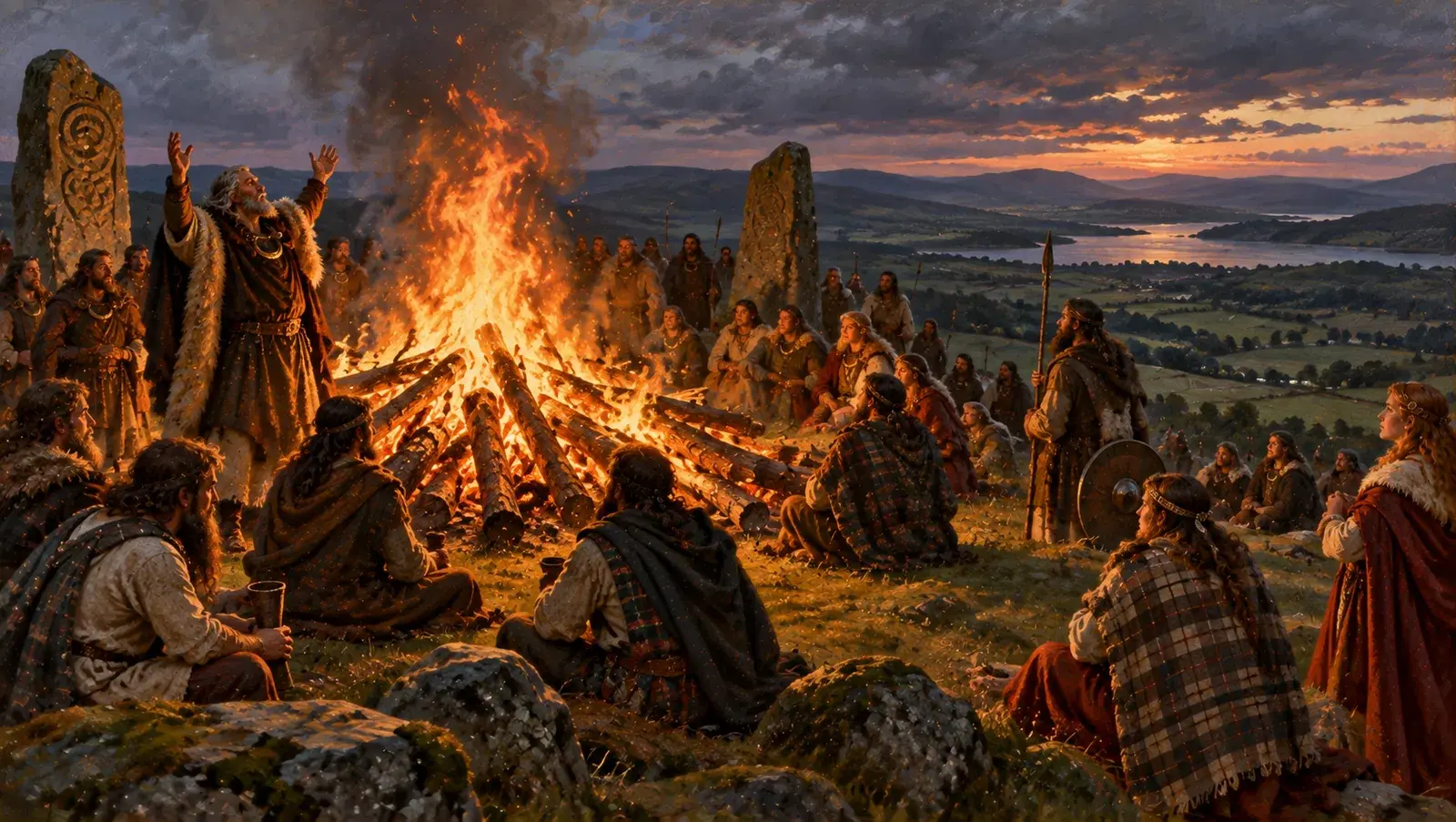
After a time, they began to collect materials for the construction of the Temple, and the foundation was soon laid. In honor of this, a great feast was held, and people sang and shouted with all their might, saying that God's love is indeed enduring. But among these shouts, there were also tears of sadness and even loud sobs. The older people, who saw the first magnificent Temple built by Solomon, were crying, seeing the foundation of the new, humble Temple. The sound of shouts and praises of youth was mixed with the wails of the elderly, so that all the people could not distinguish one sound from the other. Thus was the festival celebrated, where every person expressed their feelings, both of happiness and grief.
When the foundation was laid, the young shouted for joy and the old wept aloud — those who remembered Solomon's Temple grieved at this humbler beginning. The sound of celebration and mourning could not be told apart.
Enemies and Obstacles
But the enemies of the Jews, who had settled in the region and watched the Jews' arrival with great interest, were not willing to let the Jews rebuild their Temple. Moreover, when the Jews asked them for help to rebuild it, they refused, claiming that they had no desire to help, and turned to the enemies of the Jews, asking them to stop them from starting the work. The enemies of the Jews tried to persuade the local Persian rulers that the Jews were building a rebellious fortress, which they should stop at all costs. Thus, the work on the Temple stopped, and the Jews became distracted by their own problems, paying little attention to the construction of the house of God. Everything started with joy, but everything ended with confusion and even some discouragement.
The Prophets Bring the People Back to Work
But God would not allow the Jews to leave the Temple construction unfinished. In those days, two prophets of God appeared among the people — Haggai and Zechariah. They called people to return to the work on the Temple, saying that it would bring them joy and prosperity, pointing out their mistake and asking them to return to the work. They reminded the people that it was not right to live in beautiful houses while the house of God remained without any roof over its head.
The words of the prophets reached the leaders of the Jews, Zerubbabel and Jeshua, and they, along with the other people, began to work again. But the enemies once again turned to the Persian authorities, saying that the Jews were building a rebellious city. But when Darius, the Persian king, ordered an examination of all the documents concerning the Jews and their Temple, the decree of Cyrus was found among them, giving permission to the Jews to rebuild their Temple and city. The king ordered the enemies of the Jews to give the money and materials to the Jews to rebuild their Temple, so that no one interfered with the construction. The work on the Temple began anew and, in a few years, was completed.
This is How the Jews Returned Home
Although there were many obstacles and setbacks on the way to restoring the Temple, finally, it was completed. The Jews celebrated this event with joy and sacrifices to God, rebuilding their city, their home, and most importantly, their faith. But the new Temple was not as beautiful as the old one that Solomon had built. However, despite this, the Jews came to this house of God, carrying out all the rituals known to them since ancient times. The celebration of Passover, as well as the feast of the dedication of the altar, began. And as the people of Judah came to this Temple, they carried great happiness in their hearts, having been freed from the bondage of the enemies and having returned to their own land.
The significance of this event is difficult to overestimate. It marked the end of the exile period, the restoration of the people's faith and the re-construction of the house of God. Thus, the people who were devastated and whose Temple was burned had returned home. Despite the enemies and the long journey from exile, the Jews rebuilt their country. It was this event that taught the Jews that their God keeps His promises and that no matter what hardships a person faces, he will return from them and rebuild his life.
The Temple was finished. Passover was celebrated in Jerusalem for the first time since the exile. It was more modest than Solomon's, but it was their house of God, built with their own hands, and they rejoiced with all their hearts.
A Humbler, But Still God's House
A detail that deserves attention is that the majority of the people from the exiled nation did not want to return. About fifty thousand Jews left Babylon for the homeland. This is because seventy years spent in a foreign land made people accustomed to the comforts of the local climate and an easy life. But for those who left, the hardships were worth it because they could return to their homeland and live according to their ancient traditions and laws. They returned home with Zerubbabel, who came from the house of David, and the priest Jeshua.
But the construction of the Temple was not only attended by joy and positive thoughts. It was accompanied by the weeping of the old men, who realized that the new Temple would hardly resemble Solomon's Temple, which is why they cried. However, the prophets responded to this by saying that God would be with them and give them joy and prosperity, and that although the new house would not be as glorious as it was during the reign of Solomon, He would grant the Jews His peace in this house. Thus, the Jews began to build their lives and their Temple anew.
Why the Story of the Return Matters
The story of rebuilding the Temple is one of the most positive messages from the Bible, telling us that every disaster can pass and that God keeps His promises. Every nation or group of people facing seemingly insurmountable difficulties should look to this story with faith that victory and a new beginning will surely come for them too. The rebuilding of the Temple shows that a return from exile is not only possible but also brings incredible feelings of freedom, faith, and even happiness.
Moreover, this story teaches us that the path of returning to normal, to life, to faith is not always a straight road. Often, it is fraught with obstacles and setbacks, as well as moments when you feel that you are far from your goal. But the main thing is not to give up, just as the Jews did not despair when the enemies took away all the time and money for the construction of the Temple. Despite the lack of interest from many of their own people and the constant attacks from their enemies, the Jews returned to the work on the Temple, for it was the meaning of their lives.