A young woman stands at the doors, ready to kill herself rather than break a law that will cost her life. Across the doors sits the most powerful king in the land, her husband, who doesn't want her there. Had he summoned her, he could have ordered her death. Behind her, her people are being led to slaughter, and she is the only one who can stop it.
Her name is Esther, and the words she was recorded as saying "if I perish, I perish" (Esther 4:16) are legendary. This is the story of a brave queen, a plot to kill her people, and the incredible power of one woman who had the courage to rise to the occasion.
An Orphan Becomes a Queen
The story of Esther takes place in the Persian empire, ruled over by a king whose name may have been Xerxes. At the beginning of the story, the king's queen has fallen from his graces and so he decrees a search for the most beautiful maiden in the land to be his new queen. Esther is the adopted daughter of Mordecai, a pious Jew. Esther is beautiful, both outwardly and in her character, and so she is chosen to be the queen. However, on the advice of her cousin Mordecai, Esther keeps her Jewish identity and heritage secret. She is unaware that she is a pawn in a far bigger game, and that the God of Israel has planned something incredible for her.
Mordecai is loyal to the king and serves as a guard at the palace gates. He is the one who discovers the plot by two of the king's guards to kill Xerxes. Mordecai brings this information to Esther, and she takes it to the king. Mordecai's loyalty and bravery are recorded in the royal annals. However, few seem to understand just how big a role this act will play in the future. It seems that God has placed Mordecai and Esther in position, and that He is preparing something that will happen "for such a time as this."
A Plot to Destroy a People
At the beginning of the story, the king has made Haman the prime-minister. He is a proud man, and demands that everyone must stop to bow down to him as they pass by his house. Mordecai refuses to bow to Haman, and Haman's pride is wounded. After discovering that Mordecai is a Jew, Haman decides to take revenge on all Jews in the Persian empire, not just Mordecai. He goes to the King and gets permission to carry out his plan to annihilate all Jews in the empire.
Haman throws a party in Esther's honor, and she becomes his favorite queen. But when she learns of Haman's plan, Esther tries to get the king to stop Haman's decree, but is rebuffed. Esther must now decide whether to risk her life to save her people or not.
For Such a Time as This
Mordecai reminds Esther of the law forbidding her from approaching the king without being summoned, the penalty for which is death. But he also gives her the most famous challenge in the whole book: "Do not think that you will escape in the palace, for if you remain silent at this time, relief and deliverance will come to the Jews from elsewhere, and you and your father's house will perish. And who knows but that you have come to your royal position for such a time as this?" (Esther 4:13-14)
Then Esther told Mordecai to say to the Jews to fast for three days, and she said, "I will go to the king, even though it is against the law, and if I perish, I perish." (Esther 4:16)
After three days of fasting, Esther put on her royal robes and walked into the king's inner court — knowing that entering uninvited could mean death — and waited for him to extend the golden scepter.
The Courage of the Queen
After three days of fasting, Esther puts on her best robes and walks into the chamber where the king sits. Her courage is truly remarkable, and her boldness is rewarded when the king spares her life. She invites the king and Haman to a banquet that she has prepared for them. She then sets the trap for Haman. Haman leaves the banquet in a good mood, and prepares to return home. He feels that he has earned his revenge on the Jew Mordecai. The king can't sleep that night, and after reading the scroll chronicling how Mordecai had saved his life, he has a change of heart. In the morning, he asks Haman what should be done to honor Mordecai, not knowing that Haman is about to be executed.
Haman, thinking that the king means himself, tells him he deserves a royal robe and to lead a horse through the city as the Jews cheer him. The king orders Haman to do just that, and Haman leads Mordecai through the streets. At the banquet the next day, Esther tells the king that she is a Jew, and that Haman has planned to kill her and her people. She asks the king to deal with Haman for his terrible crime. The king orders Haman to be hanged on the very gallows he has prepared for Mordecai. After Haman's death, the Jews are able to defend themselves and repel any attacks. Mordecai is put in charge of the city, second only to the king, and he uses his position to promote and protect the Jews.
At the second banquet, Esther finally revealed her Jewish identity to the king and pointed at Haman: 'An adversary and enemy! This wicked Haman!' The king, enraged, ordered Haman hanged on his own gallows.
The Festival of Purim
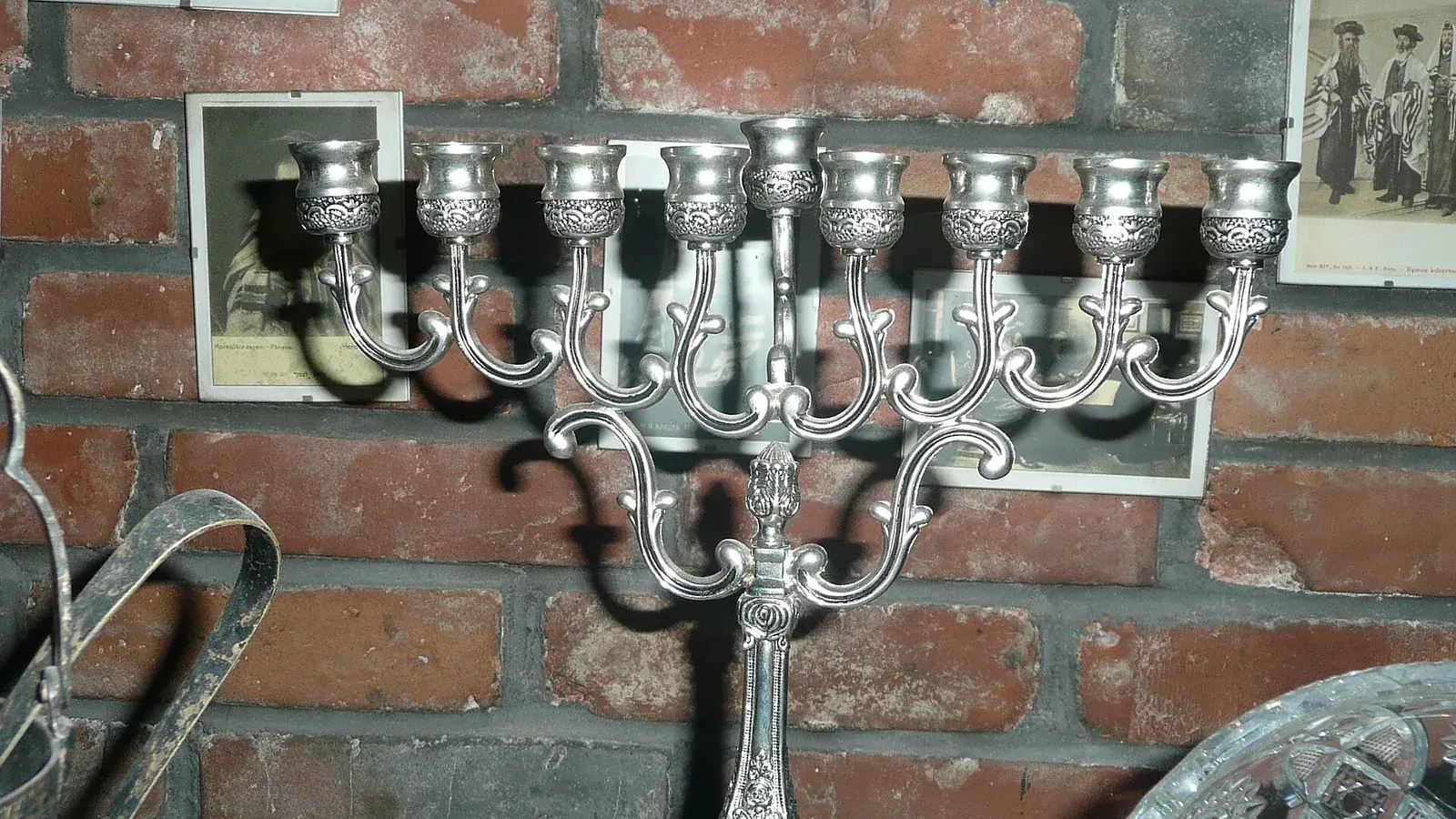
In commemoration of this day of deliverance, the Jews set up an annual holiday called "Purim". The name means "lots", and refers to the fact that Haman had used a lottery to determine the day of the attack. The holiday is observed to this day, with people all over the world reading the story of Esther, as well as giving gifts to loved ones and to charity.
To this day Jewish communities around the world celebrate Purim every year — reading Esther's story aloud, sharing food and gifts, and remembering the courage of the woman who chose to stand between her people and destruction.
Why We Should Care About Esther
Esther is a story of great bravery and fortitude. The key message is that a single person can rise to the occasion and make a real difference. Esther could have easily hidden in the palace, keeping her Jewish identity secret and hoping the problem would disappear. However, instead of doing that, she displays incredible bravery, summed up in the words, "And if I perish, I perish."
The story of Esther shows us that God can place each of us in a position to make a difference. He often places us where He wants us so that we can serve others in need. We are told that Esther became queen "for such a time as this" (Esther 4:14). She is in the right place at the right time to do what only she can do to help the Jews survive. It is important to remember that her bravery and cleverness, combined with a deep faith in God, are what saved her people. Additionally, God works through people, even though he isn't mentioned in this book at all. If you ever wonder what "such a time as this" means for you, then you should know that Esther's bravery is an incredibly inspirational example.