Not all the old Portuguese were like the terrible men who burned Arab fleets and tortured merchants for sport. There were others — quiet, unworldly men who went into the interior carrying an altar-stone and a chalice and lives of the saints, asking for nothing except the chance to tell someone about their God. Father Gonçalo da Silveira was one of these. He was a Jesuit who had lived a saintly life in Goa, fasting and praying and caring nothing for his own comfort. He thought nothing of wading across rivers with the church ornaments held above his head, or of traveling in a little Moorish boat with no room to lie down, fasting on rice and bitter fruits in the heat of Lent. He had that quality that the greatest of the saints seem to share: he genuinely didn't mind. He was also not very worldly. He believed the savage chiefs of Africa were much like the kings and princes of his native Portugal — just ignorant of God, in need of baptism and explanation. He thought if he could only get to the right chief and explain things clearly, the rest would follow. It nearly worked. For a few days in 1561, it did work. Then it ended very badly.
The Uncomfortable Voyage to Sofala
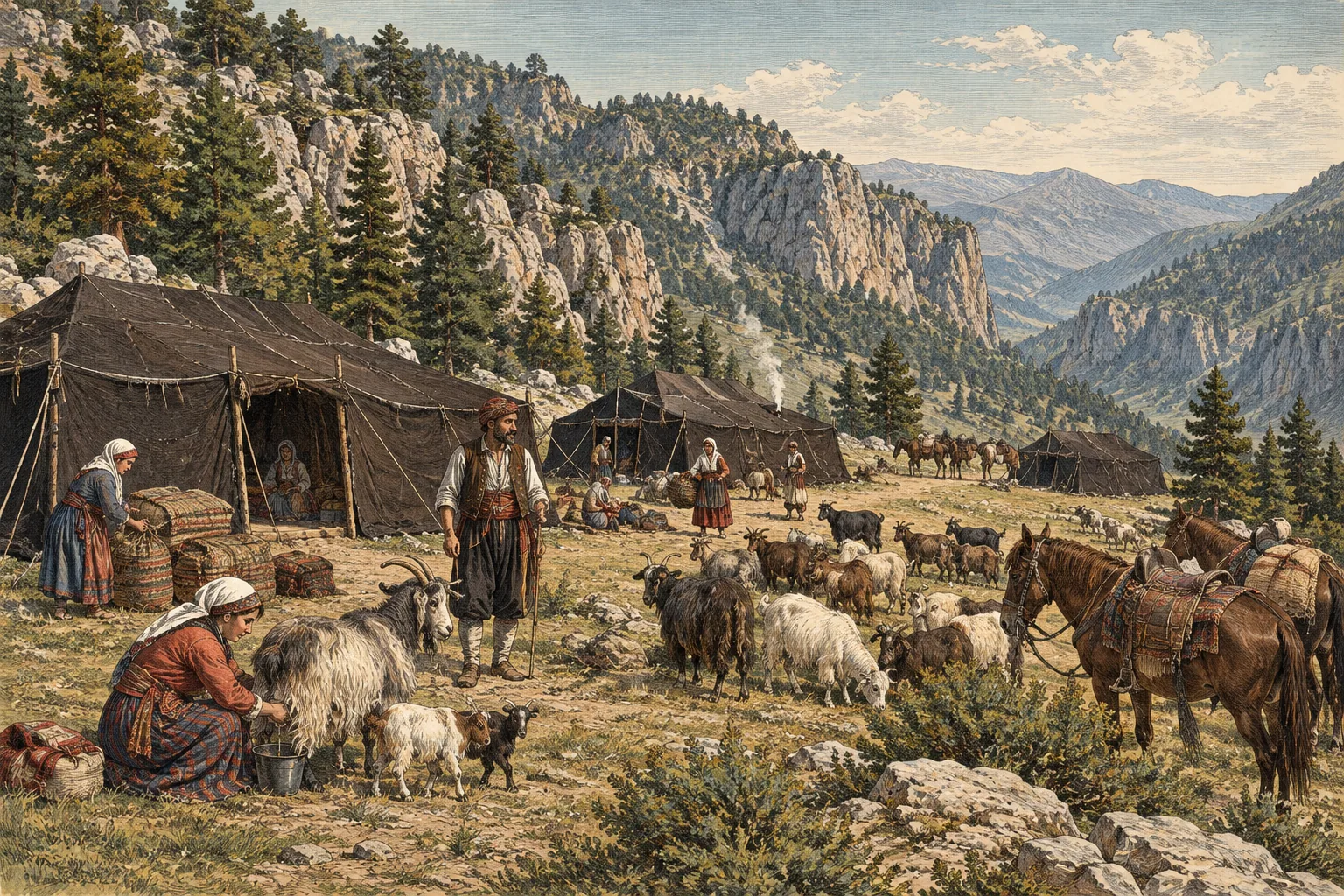
Father Gonçalo set out from Mozambique with two companions: old Father Andre Fernandes, almost as holy but considerably more interested in food and comfort, and a lay brother called Andre da Costa who served them both. They embarked in a little Moorish boat that had not a nail in its entire structure — its planks were sewn together with coconut palm fiber. There was no room to stand or sit or lie down. After the monsoon had broken, great black squalls came down on them. Father Andre grumbled quietly that his superior might have chosen a more comfortable craft. Father Gonçalo, apparently serene, spent his time writing a discourse in praise of the Mother of God. Father Andre's diary of this voyage is one of the most human documents in the history of missions. He records asking Father Gonçalo if he might please have a second bowl of beans because he had lost his appetite for rice. He describes new shoes pinching his feet until he walked barefoot, and the dew so heavy in the mornings that it was marvellous. On a blessed evening when he had lost his way, a chief's wife gave him beans and a paste of meixoira — "and this food seemed to me so good that it occurred to me that mixing and seasoning was a waste of time." Father Gonçalo was meanwhile struck down with fever and carried on a litter, so weak that when Father Andre finally found him he was lying in the sand, unable to raise his head. They had no quinine. They bled themselves and ran until they sweated. Somehow they both recovered.
Baptizing the Emperor
Father Gonçalo's great ambition was to baptize the Monomotapa — the supreme king of all those regions, who could muster overwhelming military strength and had influence over the whole country. If the emperor converted, everything else would follow. He made it. He traveled up the Zambezi by pinnace, then overland through mountains and thorn-bush, wading rivers with his altar-stone held over his head, being carried across one particularly wide river in an earthenware pot by swimming Africans. He arrived at the great capital — a circle of clay-built thatched huts — and caused a sensation in his cassock and surplice. The young king offered him gold, cattle, and a large number of wives. The Father politely declined all of them. The king was reported to have said, in astonishment: "As the stranger desires nothing of these things which are desired by all, he must have been born of the herbs and had his origin in them." A beautiful picture of Our Lady of Grace that Gonçalo had brought was hung in the royal bedroom, arranged into a little oratory. According to the story, the Lady appeared to the young king in a dream, surrounded by divine light and speaking to him with great sweetness. Whether the king actually believed in the vision or simply found the priest interesting and harmless, he agreed to be baptized. He was christened Dom Sebastian, after the young King of Portugal. His mother was christened Dona Maria. The courtiers were renamed after the leading nobles of Portugal. Things went splendidly for a while. Father Gonçalo was a great favourite with the king. All the people wanted to become Christians.
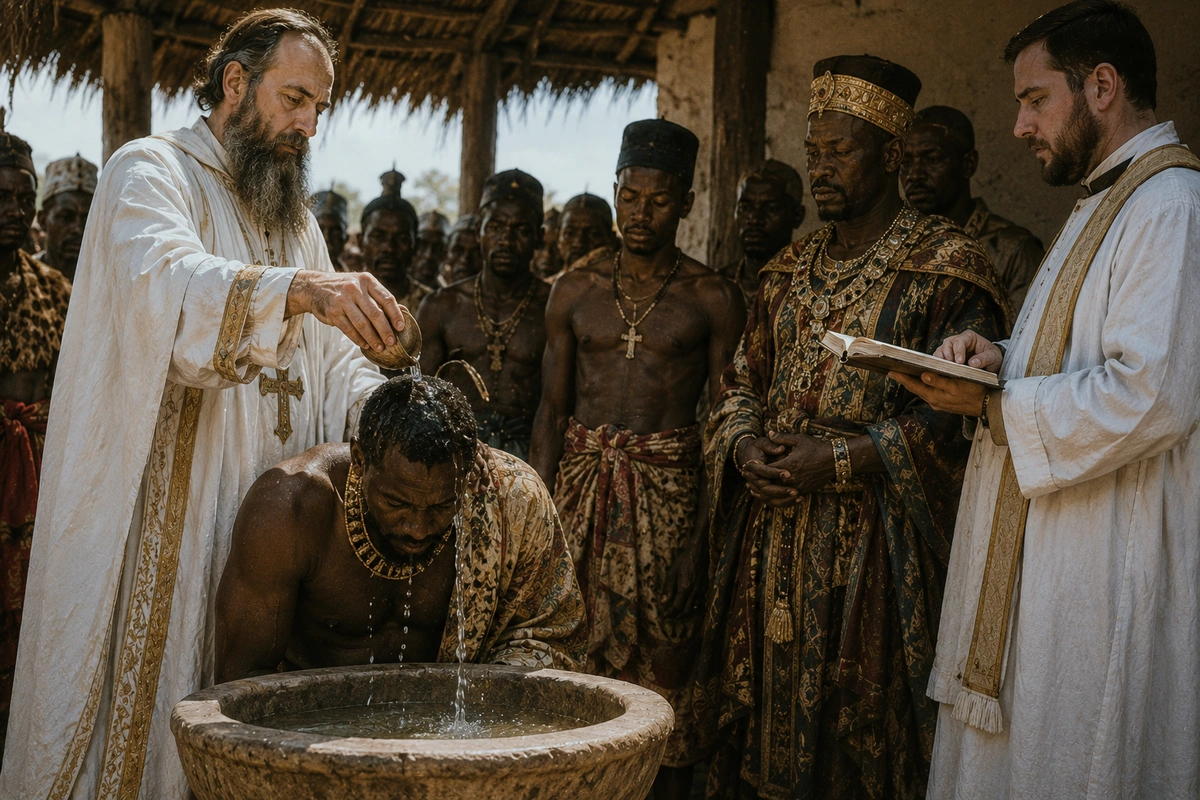
For a few extraordinary days, a gentle Jesuit priest from Portugal had converted the most powerful king in central-southern Africa — before Arab traders convinced the king he was a dangerous wizard.
The Plot and the Death
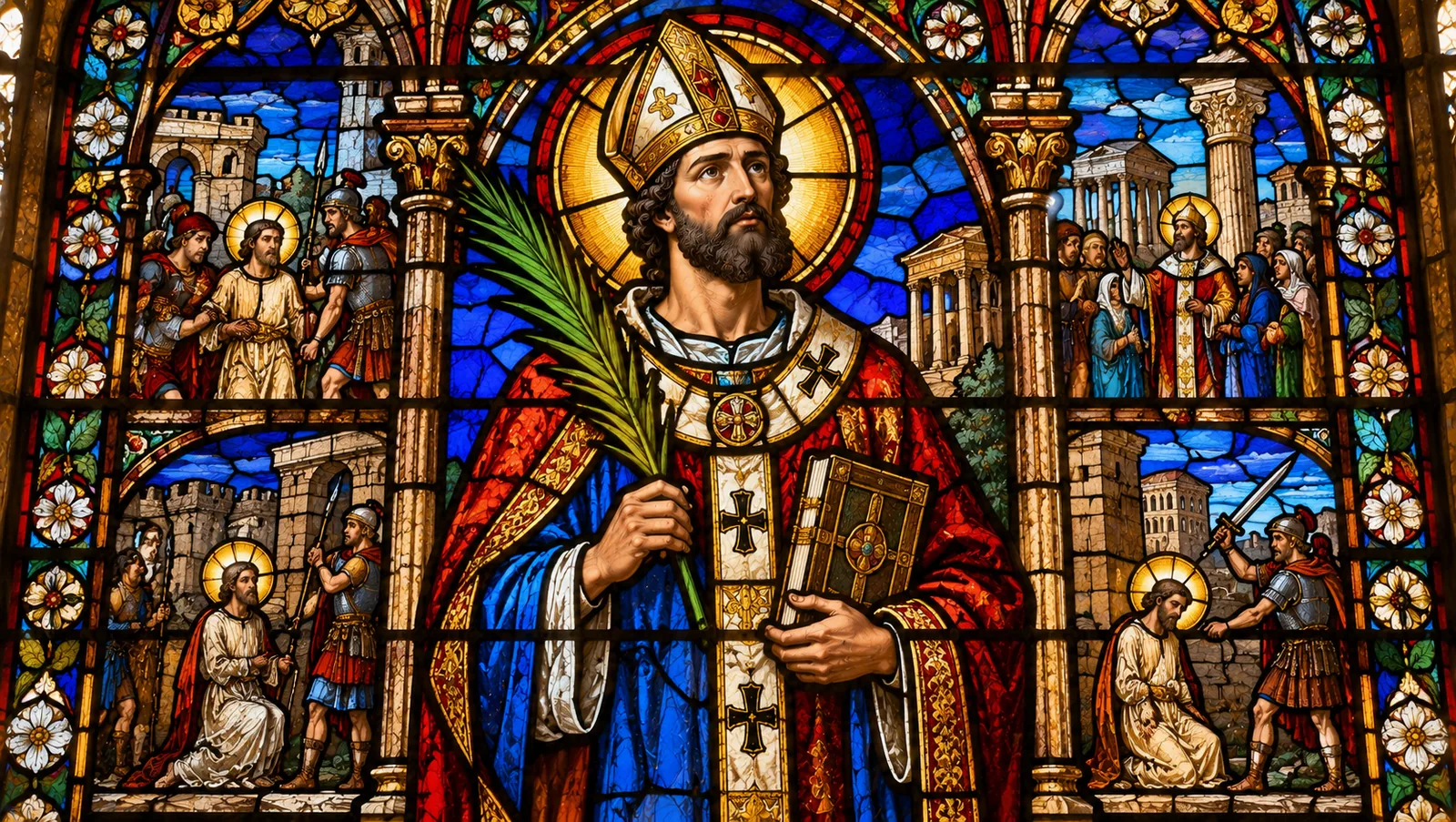
Then came the Muslim traders from Mozambique who made their living as wizards at the royal court. They drew lots with four sticks and told the king that Father Gonçalo was actually a sorcerer — a moroo, the very worst kind of wizard. The water poured on the royal head in baptism was medicine to stop the rain and kill the king and take the country. The dead man's bone he carried and other objects were proof of his evil intent. The king believed them. He determined to put the Father to death. Father Gonçalo was warned by his Portuguese friend Antonio Caiado. So on the last evening, the Saturday before the Sunday of Saint Susanna, 1561, he sent his chalice and vestments and the other sacred objects to Caiado's house so they would not be desecrated. He put on his cassock and surplice as for a great occasion. He prayed. Caiado came to say goodbye. Gonçalo greeted him with a face wreathed in smiles. "I am better prepared to die," he said, "than the enemies who are to kill me. I forgive the king, who is but a youth, and his mother, because the Moors have deceived them." He walked up and down on a piece of ground near the hut until close upon midnight, his steps hurried, his eyes raised to heaven, his hands now raised and now extended in the form of a cross. He lay down on a mat with the crucifix beside him and a lamp alight. Then, as he slept, dark figures crossed the light in the doorway. Eight naked warriors stood over the sleeping man. A knee on the chest, a rope around the neck. And so — as the old monk writes — "he gave up his spirit to the creator." In the morning, Caiado and his servants found a track of blood leading to the river and on the floor a broken crucifix.
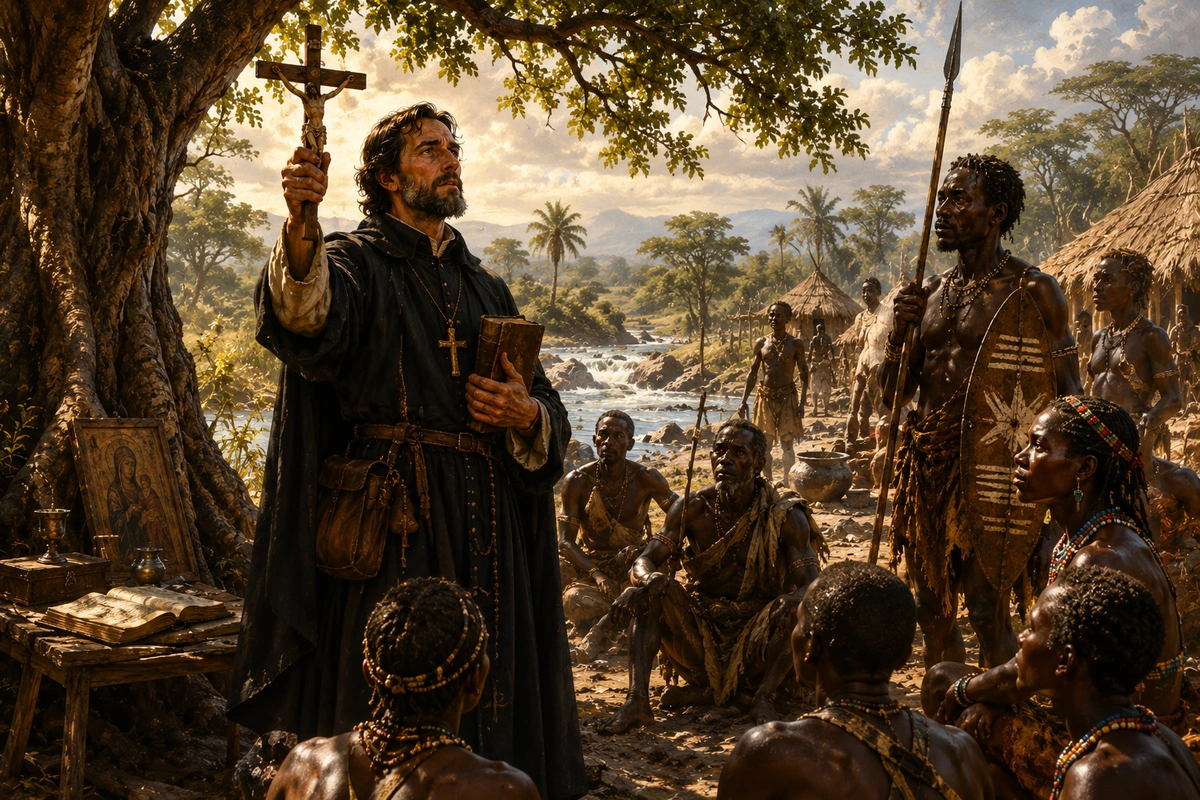
Father Gonçalo's bones were never found — thrown into a river, the old records say. But his story has in itself the virtue of a relic.
His companion Father Andre survived two more years trying to teach the people of Tongwe, eating caterpillars and wild vegetables and digging a grave for himself under his sleeping chest so that at least his body would not be left unburied. He was eventually ordered home by his superiors and spent his last days recovering at a coastal mission, having "lost all or part of his faculties." Father Gonçalo da Silveira was the first Christian martyr of South Africa. His bones were never found. But the story of his quiet courage, his serenity in the face of everything Africa threw at him, has lasted five centuries.