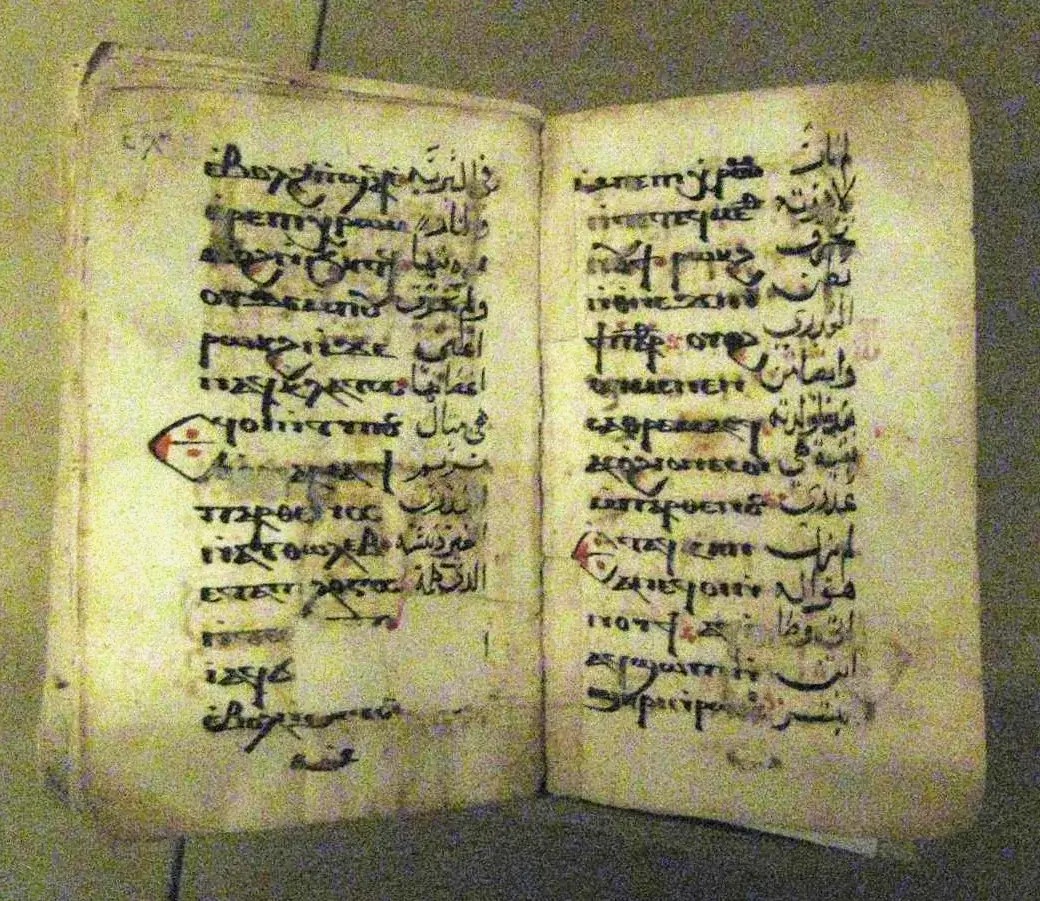
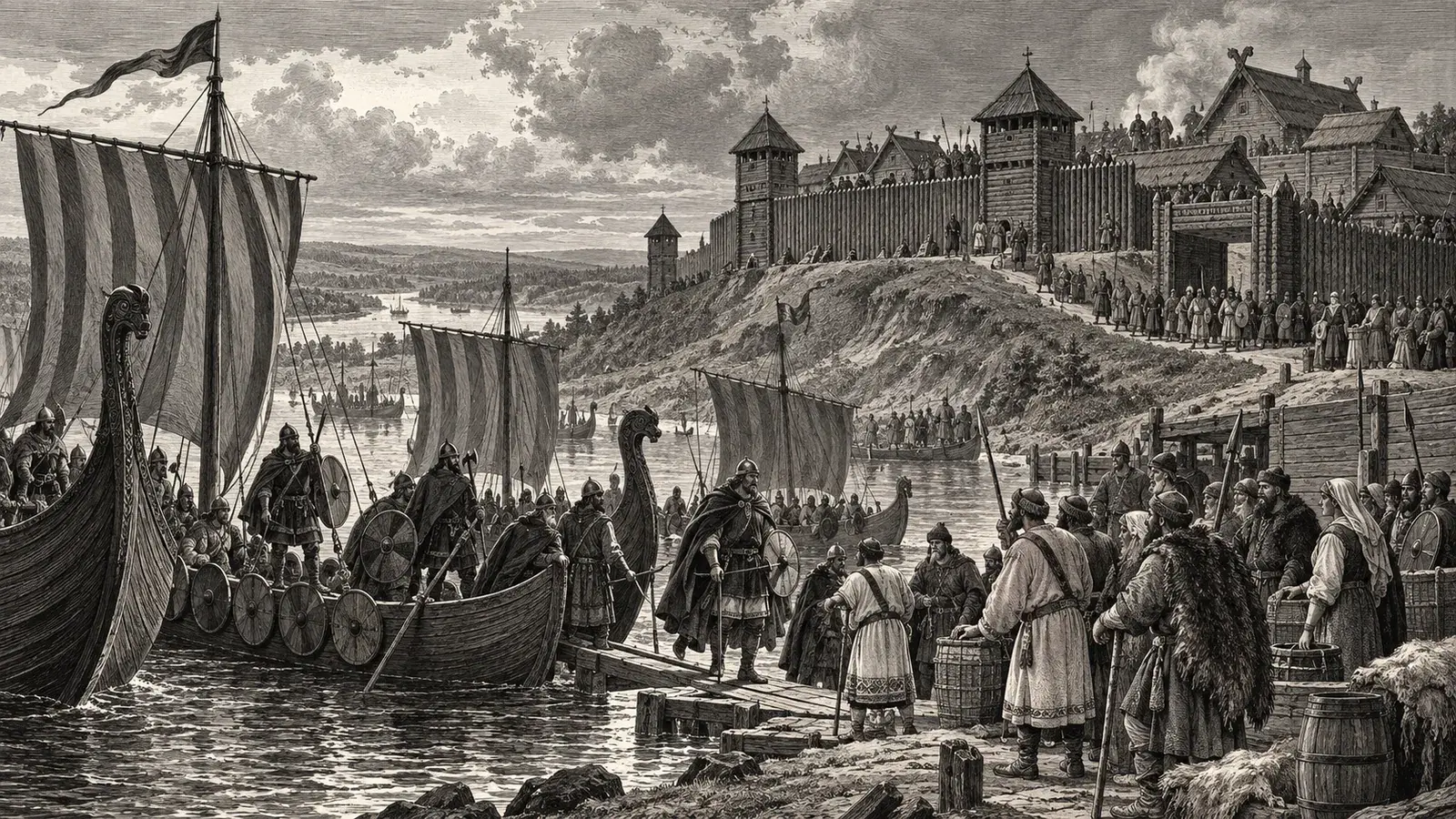
Bronze Age Collapse is the term used to describe one of the most puzzling downfalls in ancient history. Roughly one thousand years before the birth of Christ, the eastern Mediterranean, and by extension the ancient world, had undergone a period of intense and rapid development. Networks of trade and diplomacy formed between hundreds of thousands of people across dozens of city-states and kingdoms. Kings sent letters to other kings, and goods such as copper and tin made their way from one region to another by sea, with the respective empires engaging in complex financial transactions with one another and sending gifts to build alliances. This intricate relationship had made the region rich beyond imagination.
It was then abruptly destroyed, along with most other traces of the civilizations that had participated in it.
Historians have yet to determine exactly what caused the collapse, and even more perplexing is the fact that there is no complete agreement on the cause. What we do know is thanks to excavations, ancient inscriptions, and the few papyrus scrolls that survived the firestorms that ravaged entire cities during the period. Here is a collection of facts about the mysterious events leading up to it, as well as a list of the most likely reasons why it occurred.
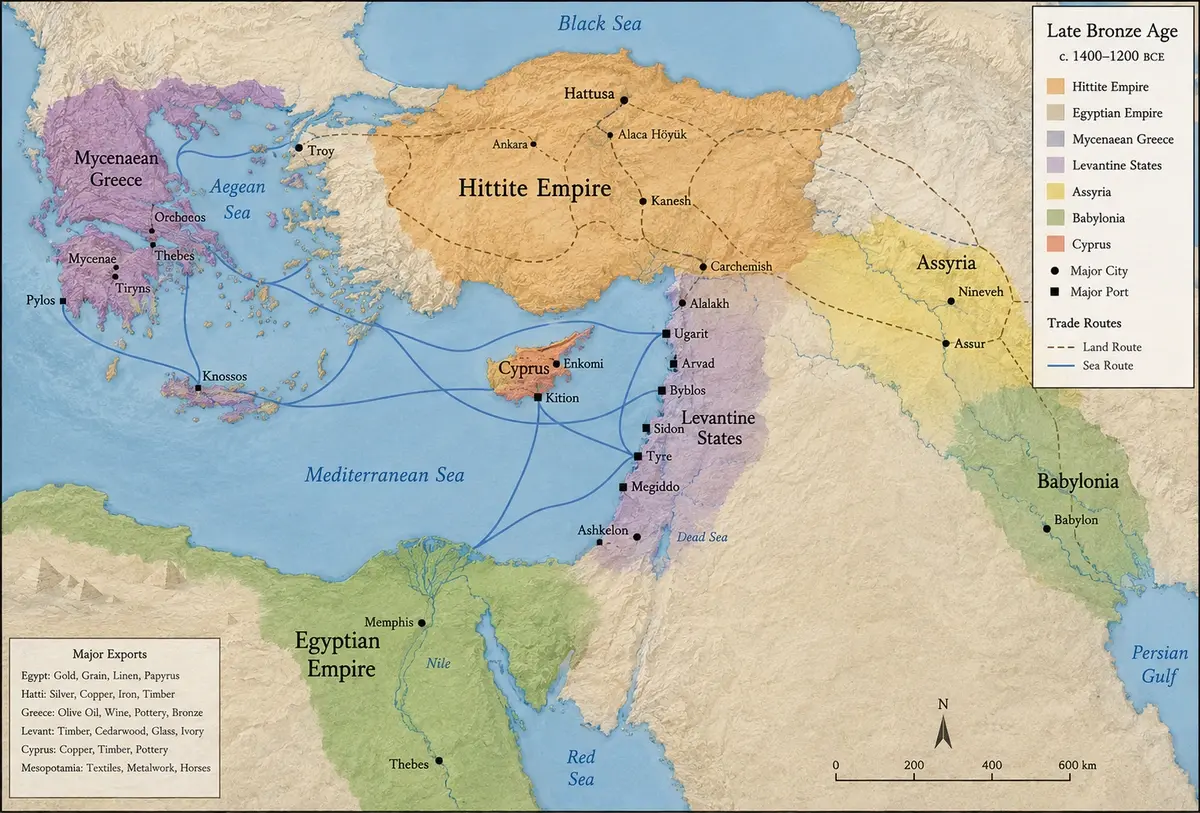
Before 1200 BCE, Egypt, the Hittites, Mycenaean Greece, Cyprus, and the Levant were bound together by one of the ancient world's first truly global trade and diplomatic networks.
Bronze Age Collapse Summary
The Bronze Age Collapse refers to the mysterious period of decline that led to the fall of most ancient civilizations between roughly the years 1250 and 1150 BCE. The kingdoms and states of Egypt, Hatti, Helladic Greece, Cyprus, and the Levant were particularly affected, with their once-powerful systems of writing, trade, and governance collapsing at an unprecedented scale. Roughly one thousand years of relative peace and prosperity came to an abrupt and mysterious end, with most of the world's previously known superpowers being significantly weakened or disappearing altogether, with only Egypt managing to survive, albeit in a severely diminished state.
Life in the Bronze Age Before the Fall
To put the significance of what happened during the collapse into perspective, it is necessary to first understand the situation preceding it. Roughly one hundred and fifty years before the beginning of the collapse, the Eastern Mediterranean had seen the rise of several influential states. Along with Egypt, Babylon, Assyria, and the kingdom of Mittani, the Hittites established long-drawn but relatively stable relationships with one another. The bonds, however, were loose at best, with each nation prioritizing its own security and expansionist ambitions.
The relations between the countries are best demonstrated by a series of letters, later referred to as the Amarna letters, found in the excavated ruins of the city of Akhetaten. The letters describe the correspondence between the kings of Egypt and the nations mentioned above, with most of them complaining about the quality of gold gifts from Egypt, demanding more chariots, and complaining about diplomatic slights. It is also known that during this time, the world saw the construction of some of the most impressive buildings in human history, most of which were marvels of their respective civilizations.
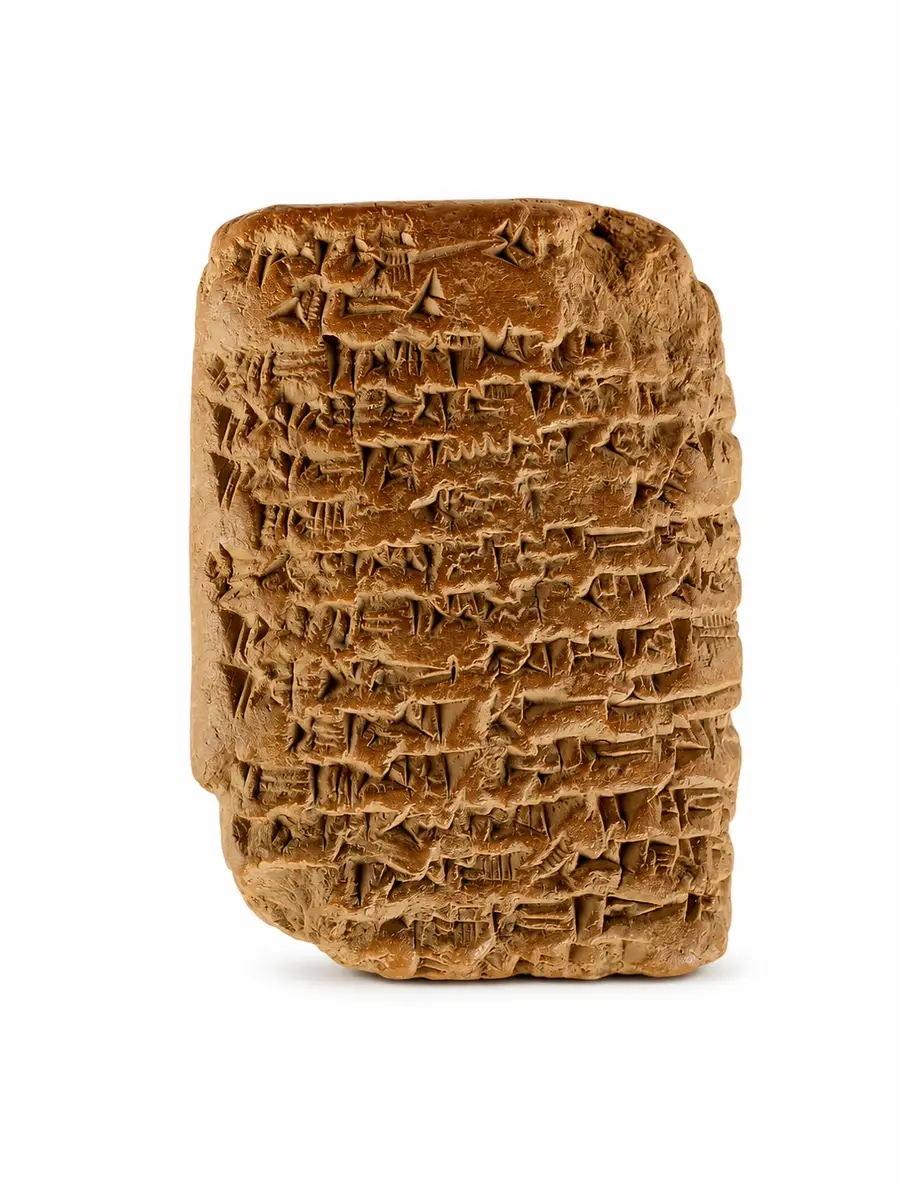
The Amarna letters, cuneiform tablets exchanged between Egypt and its royal peers, reveal a world of gift diplomacy, royal marriages, and constant complaints about gold.
What Happened During the Collapse
Over the course of roughly one hundred years, the great powers of the world were mysteriously lost, along with most of their writing, trade, and military infrastructure. The states that had been prominent before the collapse were either significantly diminished or entirely gone, with only Egypt managing to survive the event, albeit badly weakened. Notably, the Hittites, who were one of the most fearsome military powers known to history, were all but forgotten soon afterward. The same fate befell many other nations, with Ugarit being burnt to the ground and Mycenae collapsing altogether. The Levant and Cyprus were also heavily affected, with the former being permanently shut off from international trade and the latter suffering from large-scale destruction.
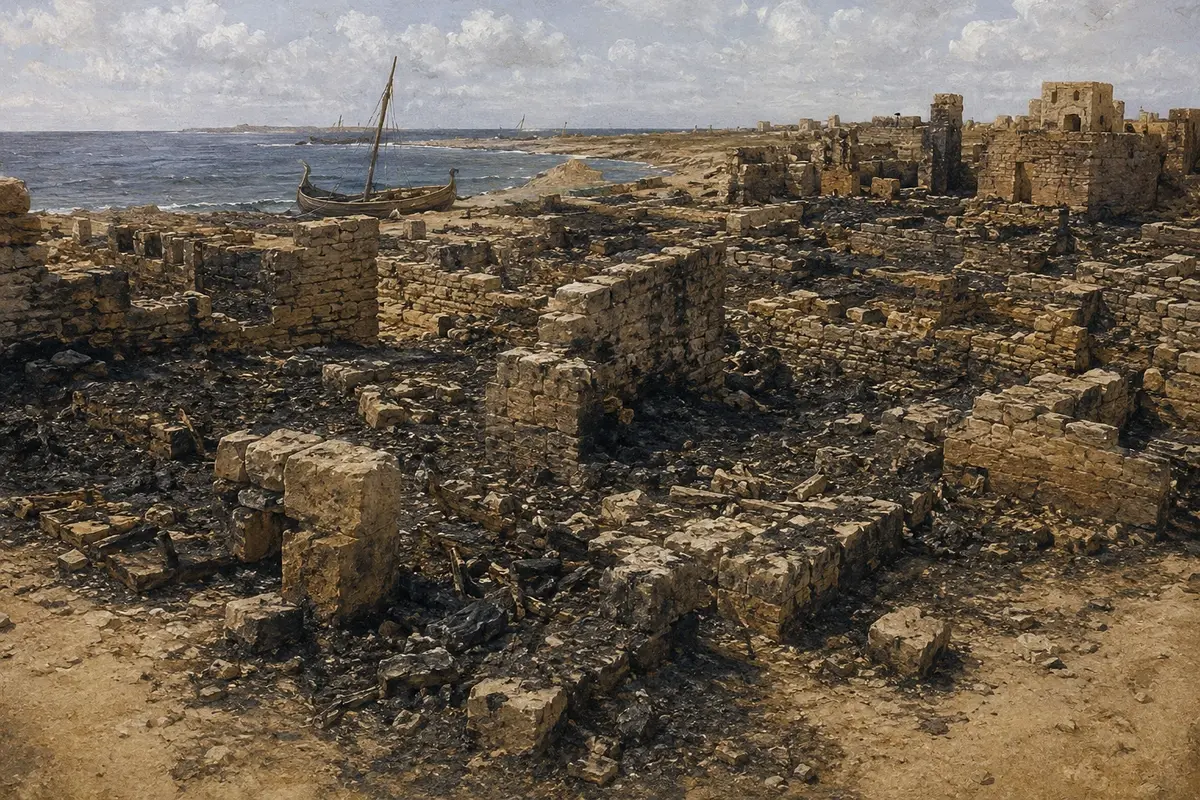
Ugarit, once one of the busiest trading ports in the Late Bronze Age world, was burned to the ground and never resettled.
Most significantly, the writing systems of the time, some of which are still only partially understood by modern historians, were lost alongside the empires that had used them. Even the population of the region had changed drastically, with many people perishing or fleeing their homes. Overall, the world that had existed before the collapse seemed to have been entirely wiped out and replaced with something much worse.
Why Historians Still Disagree on the Cause
For most of the twentieth century, the prevailing thought regarding the cause of the collapse had been the notion of the "Sea Peoples." The theory originated with French Egyptologist Gaston Maspero, who popularized the term around 1881 based on various ancient inscriptions referring to attacks launched by mysterious foreign tribes. The theory was simple in its explanation of events: a loose confederacy of sea-dwelling nomads had launched a campaign of conquest and destruction against the kingdoms of the region. For a considerable time, the theory had been largely accepted as the true cause of the collapse. In reality, however, it is significantly more nuanced.
For one, the nations of the ancient world were no strangers to foreign invasions, and even the best of their armies had failed to repel the persistent attacks of the Sea Peoples in earlier decades. More importantly, the events that transpired during the collapse were far too varied to be explained by a single cause. According to historians Eric Cline, Bernard Knapp, Stuart Manning, and Brandon Drake, the most plausible reason for the collapse was a series of events that occurred close to one another in time, putting severe pressure on the local economies and societies. In short, there was no one catastrophic event that led to the collapse, but rather several different ones that occurred one after another.
Other historians argue that the most plausible reason for the collapse was natural disaster. It has been theorized that the region was ravaged by a series of powerful earthquakes that destroyed many of the cities and settlements of the time. There is little doubt that the region had seen its share of powerful seismic activity throughout its history. The theory, however, fails to account for the fact that the destruction caused by earthquakes could have been repaired within a matter of years at most. Furthermore, there is no conclusive evidence pointing to a single, particularly powerful earthquake occurring at any point during the period. It is possible that a confluence of several, less severe earthquakes took a toll on local infrastructure, but it is far more likely that the observed effects were the result of other causes.
Finally, another possible explanation accounts for the effects of climate change and the ensuing famine. It has been theorized that the region underwent a period of severe drought several years before the collapse. Evidence of the drought surviving to this day can be found in the form of cave deposits, which show a distinct lack of rainfall throughout the period. There is also supporting evidence found in pollen and sediment studies conducted in nearby regions, most of which point to a similar time period. It has been proposed that the cause of the drought was a drop in Mediterranean sea temperatures, which led to changes in wind patterns. In short, the theory explains the disaster as a consequence of nature's randomness.
As stated earlier, none of the proposed causes seem sufficient on their own. According to archaeologist Eric Cline, it is more reasonable to assume that a combination of several different causes contributed to the catastrophe. He cites years of study and analysis of the events preceding the collapse, during which he determined that there was no single cause responsible for the disaster.
Furthermore, he states that, while the year 1177 BCE is commonly cited as the year of the collapse, it should rather be used as a convenient landmark date, similar to the modern designation of the year 476 CE, which marks the fall of Rome.
It is also important to note that the dating of the collapse is highly disputed, as the different theories propose vastly different dates.
Social Unrest and Famine
Another theory concerning the causes of the collapse points to social pressure rather than environmental or foreign factors. There is evidence to suggest that famine, brought about by the disruption of trade, resulted in severe strain on local economies. These disruptions took their toll on the population, with the effects being particularly severe in Egypt. It has been observed that during the reign of Ramses III, the workers constructing the tombs of the pharaohs at Deir el-Medina engaged in a series of strikes. According to historical records, the workers' wages in the form of grain had not been distributed to them, and the disruption to their pay schedule prompted the strike. Around the same time, there were reports of increased tomb robberies, with the stolen treasure being sold for grain.
The same consequences of famine can be observed in Canaan, where the city of Hazor was burnt down in what some archaeologists interpret as an act of civil unrest. There is evidence to suggest that famine had, indeed, been the cause of most disruptions to the social order, with the rich and influential hoarding resources and the poor rebelling against them.
Who Were the Sea Peoples
Few mysteries surrounding the collapse have defied attempts to solve them as much as the origins of the mysterious Sea Peoples. Throughout the reigns of pharaohs Ramses II, Merenptah, and Ramses III, the kingdom of Egypt waged a brutal war against these foreign invaders. Ancient hieroglyphs describe fierce battles against the Sherden, Sheklesh, Lukka, Tursha, and Peleset, with the Sea Peoples being defeated in the Battle of the Delta around 1178 BCE by Ramses III. There is, however, very little information about the Sea Peoples apart from the descriptions etched onto the temple walls by Egyptian artists. It has been theorized that the Sea Peoples were mercenaries who turned against their former employers due to a lack of payment during the final years of conflict. This would explain their apparent disorganization during the battle, which allowed the highly disciplined Egyptian archers and infantry to push them back.
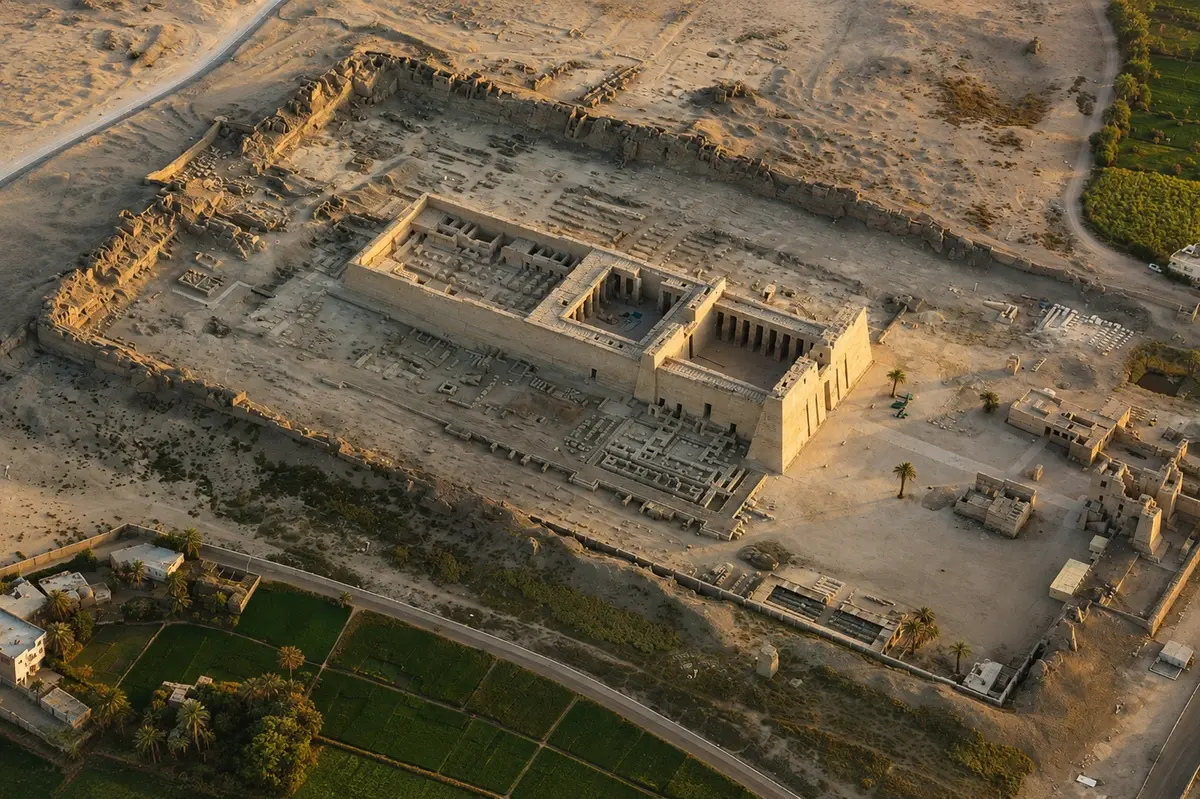
The temple walls of Medinet Habu carry the most detailed surviving record of the Sea Peoples, showing Ramses III's forces defeating them at the Battle of the Delta.
It has also been suggested, however, that the Sea Peoples were actually not soldiers, but rather civilians-turned-settlers seeking to escape the worsening conditions of the region. It is even possible that they were among those who initiated the collapse, taking advantage of the disorder to settle in lands vacated by fleeing armies. Their arrival in Egypt can be observed in the images carved onto the temple walls, most of which depict them arriving at the battlefield in ox-carts. It is reasonable to assume that the Sea Peoples were indeed not foreign invaders so much as refugees, attempting to reach a safe haven in wealthy Egypt. This theory can also explain the lack of armor and discipline depicted in the ancient paintings, as well as the absence of siege-works on the walls of the attacked cities.
Why Trade Was Essentially a Disadvantage to the Ancient World Powers
One of the most overlooked causes of the collapse was the fact that most of the civilizations involved were not completely self-sufficient. In short, they relied on the resources of other nations to maintain their economies, which placed all of them in a precarious position. It has been estimated that Egypt, for example, required vast amounts of tin to manufacture bronze, which could not be produced domestically due to a lack of natural deposits. The same applied to most of the other nations involved, with the Hittites depending heavily on imports of grain and Cyprus supplying much of the region with copper. It becomes evident that all of these economies were deeply intertwined. As such, the disruptions to international trade that occurred during the collapse took a severe toll on local economies.
Added to this economic instability, other contributing factors such as famine and rebellion weakened the kingdoms from within. It is reasonable to assume that if not for their reliance on other nations' resources, many of these kingdoms would have been much better prepared to withstand the crisis.
End of the Dark Ages and a Summary of What Went Wrong
For much of the twentieth century, many historians regarded the period following the collapse as the beginning of the Dark Ages. It is true that the prosperity and achievements of the ancient civilizations saw a significant decline, as trade and diplomacy ceased to exist in the form they had taken before the collapse. Long-range voyages became a rarity, and many nations lost their knowledge of writing entirely. Some of the worst losses attributed to the collapse can be found in the form of Linear B, the script that had been used to record the inventories of the palaces of Mycenaean Greece. Much like the rest of the ancient world, the Mycenaeans saw their cultural and technological development stagnate, though it should be noted that this was already a slow process even before the collapse, as very few advancements had been made in either culture or technology during the two hundred years preceding it.
It should also be stated that the Dark Ages were, in fact, not as dark and devastating as many later historians believed them to be. Recent research has shown that there are several important developments to be attributed to the post-collapse period. For one, the transition from bronze to iron marked the beginning of a technological revolution the likes of which the world had not seen since the dawn of civilization. The Third Intermediate Period in Egypt, for example, saw the production of many fine artifacts made from gold, silver, and bronze. It also produced the Phoenician alphabet, which in time became the inspiration for nearly every other writing system known to history, including the Greek one used by Homer and Hesiod.
What the Collapse Can Teach Us Today
There is something hauntingly familiar about the collapse and its repercussions. It is impossible to observe the events of the Late Bronze Age and not think about the world today. The world of now is very much like the world of yesterday, with most of the nations participating in the collapse being just as globalized and interconnected as the ones today. This interconnected nature has proven to be a double-edged sword, as the disruption of international trade caused by the collapse led to drastic economic and social consequences for nearly every nation involved. It is possible to draw several parallels between the Late Bronze Age and the modern day, as most of the causes that led to the collapse of the ancient powers have the potential to bring down modern ones should the circumstances align. One of the most notable similarities is the effect of climate change, which has proven to be one of the most devastating factors to date.
It is impossible to say that the causes and effects of the Late Bronze Age Collapse have no relevance to the modern world. It is, rather, a simple observation to make that much of what happened in the ancient world occurred because of similar causes and conditions. It is no coincidence that a world so similar to ours failed so spectacularly within the span of only a couple of centuries.