The Tairona civilization is one of the lesser-known cultures of the ancient Americas, with only a few modern sources outside of Colombia discussing it. While the Tairona people built magnificent cities in the mountains, became expert goldsmiths, and established a thriving agrarian society, they were quickly swallowed up by the jungle after the Spanish conquest. Even today, scientists continue to uncover intriguing details about this unique culture that fought valiantly against the Spanish invaders.
Who Were the Tairona?
The Tairona civilization and culture developed among the indigenous peoples of the Chibcha linguistic group who lived on the territory of present-day Colombia. It developed in the Sierra Nevada de Santa Marta mountain range, located in the Magdalena department of northern Colombia. Despite being isolated, the Tairona people created a culture with clear signs of being highly developed.
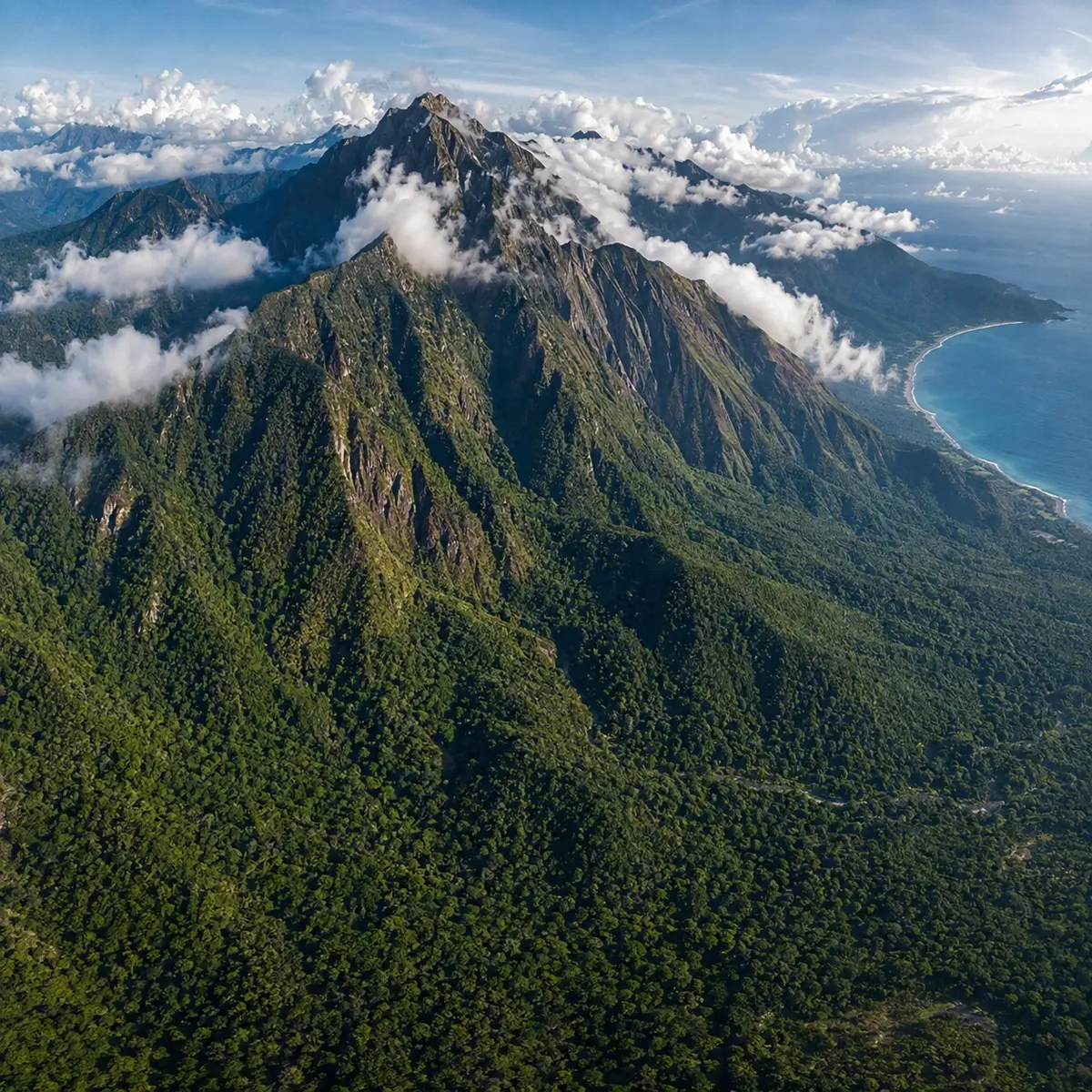
Isolated within the Sierra Nevada de Santa Marta, the Tairona built a highly developed culture largely cut off from the rest of the ancient Americas.
Archaeological excavations of the Tairona settlements, which date back to around 200 AD, have revealed excellent examples of mountain farming. Moreover, the Taironas are famous for their outstanding gold products found in abundance in various burial chambers and temple ruins throughout the Sierra Nevada region. However, the main achievement of this culture was the unique city that the Taironas built.
The Tribe Conquered by No One
The Tairona people have fascinated historians and archaeologists for two main reasons. First, Tairona society developed a unique system of ancestral symbols and beliefs, which the Spanish conquistadors found extremely confusing. Second, the Taironas were one of the few indigenous peoples of the American continent who fiercely resisted the Spanish conquest.
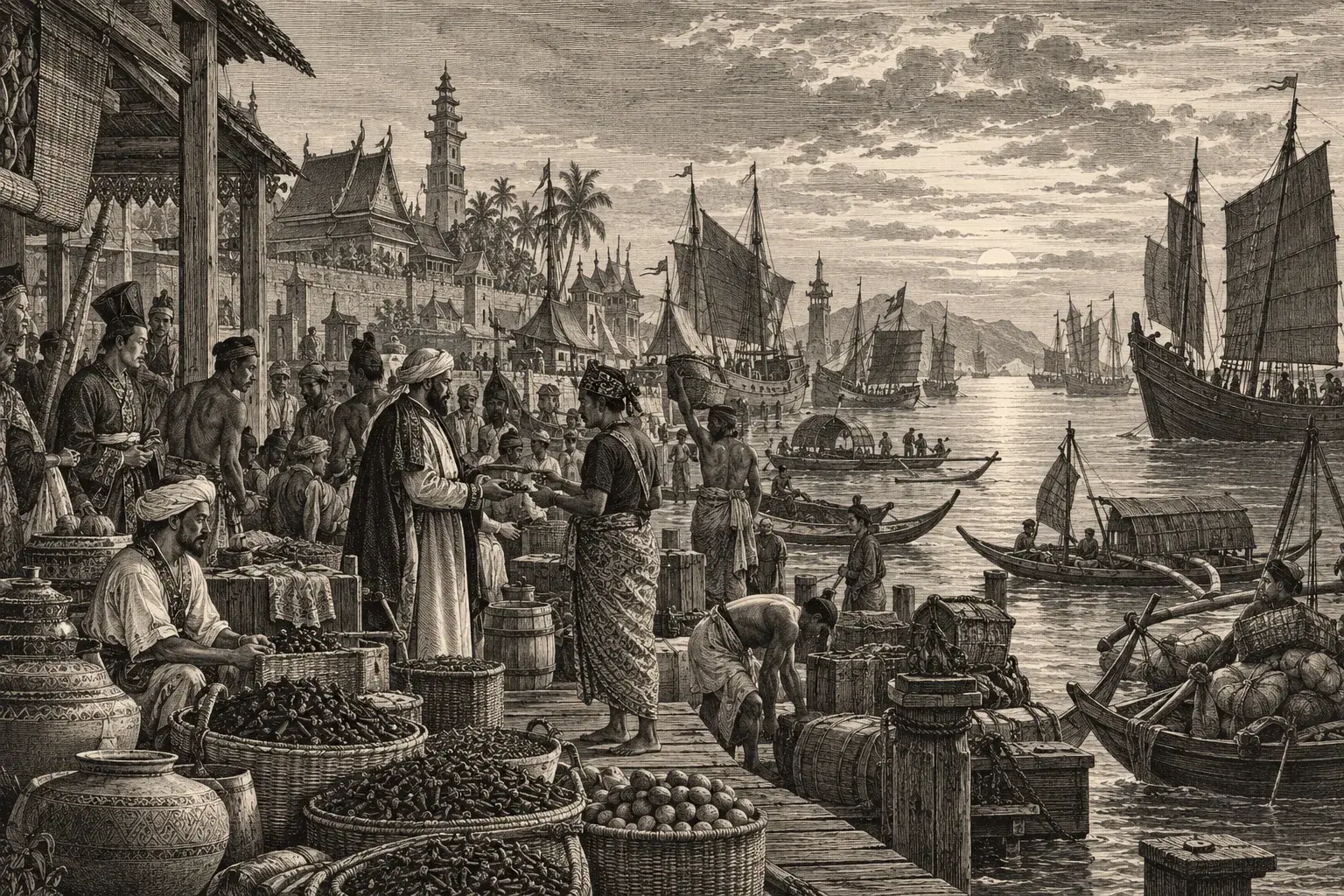
According to Spanish chronicles, the Tairona people built one of the most extensive commercial networks in the region. In addition, several indigenous legends state that the Taironas did not consider gold to be a valuable asset. This is probably the reason why the Spaniards could not understand the Taironas' attitude toward the gold they found in the tombs and temples of the locals. After all, for the Spanish, gold was money, and money was power; therefore, finding gold in the hands of the Taironas was annoying and confusing for the conquistadors.
There are various theories about why this attitude toward gold might have developed. Some scholars argue that the Taironas and the neighboring Muisca people, who were also members of the Chibcha group, shared cultural traits. In particular, both tribes were obsessed with gold, and both cultures attributed divine significance to gold. It is noteworthy that the Muisca were one of the most powerful indigenous peoples in the Colombian region. In addition, both cultures practiced shamanism and had a similar structure of government.
The Lost City of the Clouds
It is challenging to single out one achievement of the Taironas among their numerous accomplishments. Nevertheless, it is hard not to start with the city built in the depths of the Sierra Nevada, known today as Ciudad Perdida or the Lost City. According to historians, this city was founded at the beginning of the 9th century and existed long before Machu Picchu, one of the most famous lost cities in the world. However, unlike Machu Picchu, only a few have seen the Lost City of the Taironas, because it is still relatively undiscovered.
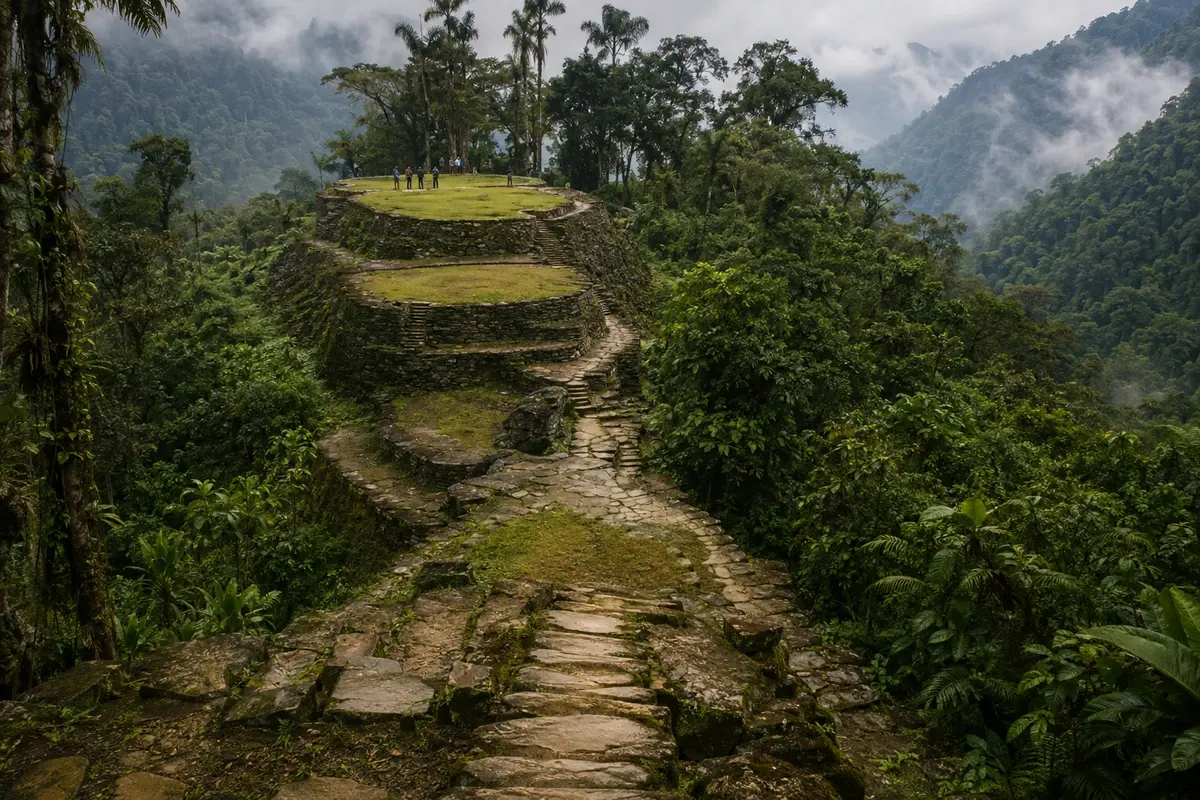
Reaching Ciudad Perdida still requires a jungle trek and a climb up roughly 1,200 stone steps, more than a thousand years after the Tairona first built it.
Today, the remains of this ancient city are located in the mountains, and getting there requires significant effort. To see the ancient temple, visitors must trek through the jungle and climb 1,200 stone steps. The city's preserved state is not inferior to the Incan settlements. Scientists estimate the number of residents to be several thousand, and the area of the settlement reached 300,000 m2. It is said that the city consisted of 250 or more terraces, which were occupied by people during the Tairona civilization period.
Excavations of the ruins of the ancient city revealed various treasures, including ritual artifacts, gold, ceramic artifacts, and musical instruments. All this makes it clear that the inhabitants of this city were a culture that valued art and lived not only for farming.
In addition to the main city of the Taironas, there was also a settlement called Pueblito, which was strategically located closer to the coast. This place was probably the administrative center of the Tairona culture, as it had the most developed infrastructure among all the settlements of this culture. In addition to Pueblito, there were many other villages scattered along the valley, connected by paths, forming a single economic system.
Interestingly, the network of settlements, stretching from Pueblito to the coastal villages, was the cradle of various specialized trades. For example, in the small fishing village of Chengue, the Tairona people developed salt production, which became the backbone of their local economy. When viewed as a whole, the economy of the Tairona people is pretty impressive, given the rather isolated location of the culture bearers.
An Empire of Shamans
The political structure of the Tairona culture is thought to be the most astonishing feature of this civilization. Power in Tairona society was concentrated among the shamans, who held their positions based on their supernatural abilities. As the most powerful people in society, the shamans acted as the central government, regulated the functioning of all sectors of the economy, and commanded armies in warfare.
The shamans played a crucial role in the development of Tairona society since they guided the people in their everyday lives. They were the ones who decided when to plant and harvest crops and whose produce should be used for the food supplies of the whole city. However, the obligations of the shaman were not limited to farming issues. The shaman regulated internal conflicts within the community, served as an intermediary between the living and the dead, and provided protection from supernatural forces. In addition, all trade operations in Tairona territory were somehow controlled by the shaman, which indicates that they held considerable power.
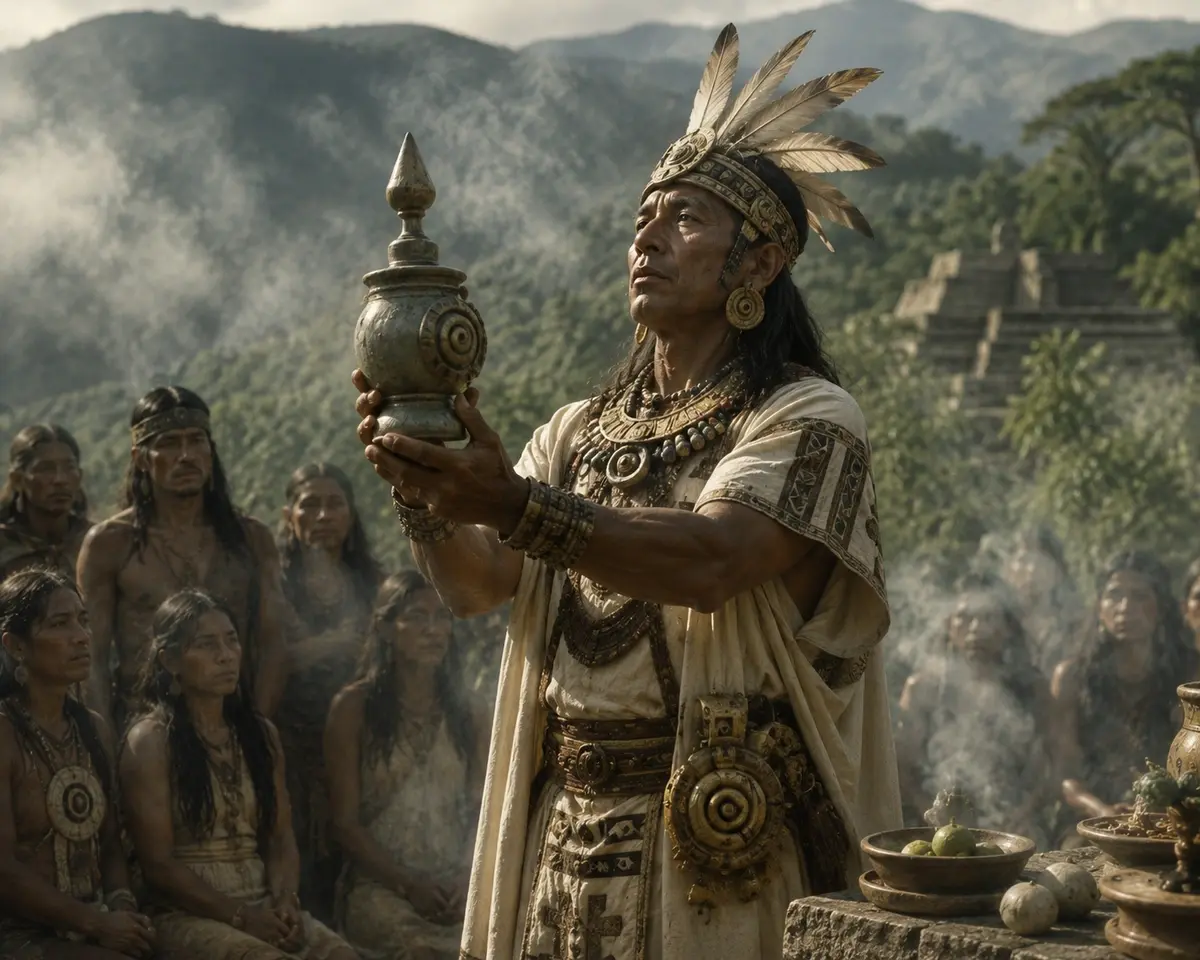
Shamans were the true rulers of Tairona society, governing agriculture, trade, warfare, and the community's relationship with the spirit world.
To gain their position and abilities, the shamans had to turn to their ancestors, just as all Taironas did. A long and strenuous journey awaited the would-be shaman, who had to withstand severe tests and temptations. Following strict rituals, such shamans sought to detach their spirits from their physical bodies so that their souls could travel at will through the expanses of the universe. After returning to their bodies, the shamans had knowledge that ordinary people did not possess.
Metals, Mythology, and the Power of Transformation
The cult of the shaman in Tairona society was so great that it influenced the art and jewelry of the Taironas. Numerous artifacts suggest that the people of this culture were extremely fascinated by the idea of transformation. Shamans were believed to be able to change their appearance at will, transforming themselves into various animals and mythical creatures. This belief is reflected in the many Tairona artifacts depicting transformation scenes.
Some of the most impressive examples of the art of transformation come from the famous "Bat Man" sculpture found in the ruins of the ancient city. In fact, this piece of art is part of a series of exhibits that reflect the beliefs of the Taironas about the transformation of humans into animals. Many other bat-shaped pendants and ceremonial buckles found in the ruins of the ancestral homes of the culture also represent transformation motifs.
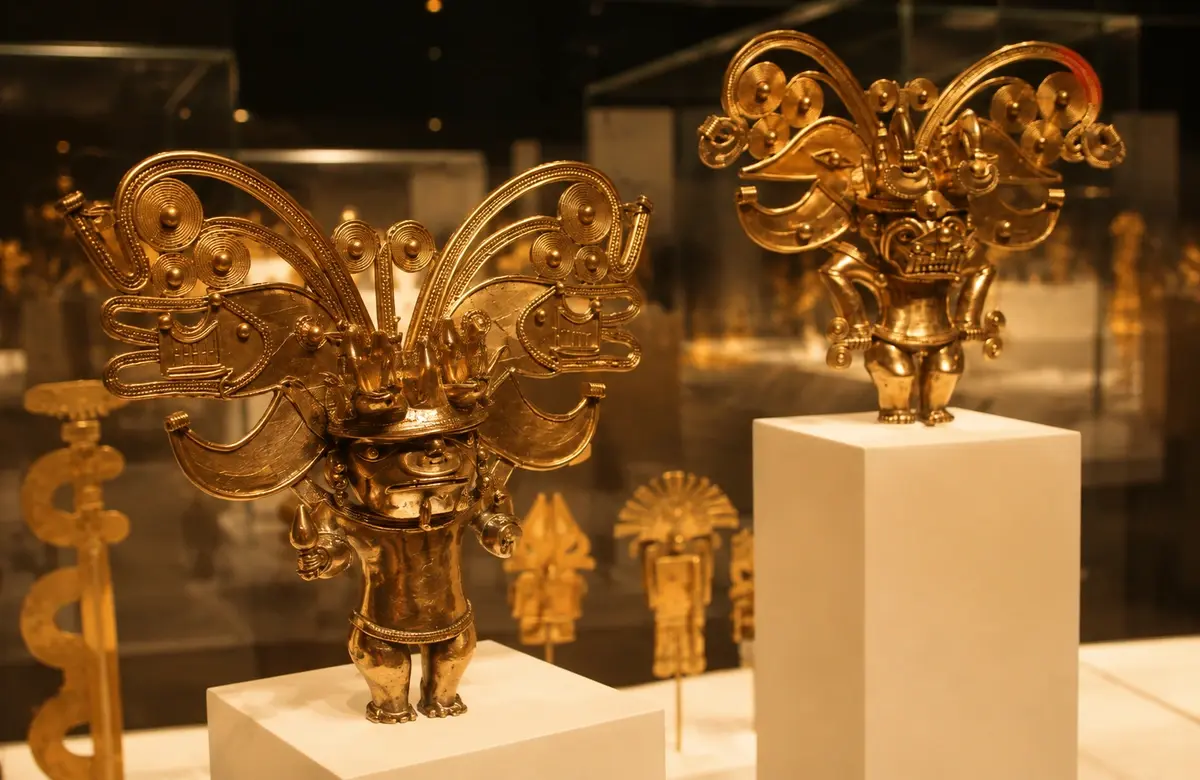
The Bat Man pectoral is the best-known symbol of Tairona goldwork, believed to depict a chieftain or shaman mid-transformation into a bat.
As the locals believed, wearing such amulets symbolized the strength of the supernatural powers of these people. Moreover, different tribes had their own concepts and ideas about transformation and the mystical powers that shamans possessed. Shamans traditionally turned into large predatory birds, snakes, crocodiles, and the most feared animal of all, the jaguar. In turn, the Tairona culture attributed great significance to the shape and transformations of the bat.
The bat in the art and mythology of the Taironas played a special role and was one of the most revered animals of this nation. The Taironas were so fascinated by this creature that they tried to represent it as often as they could in their jewelry and costumes. Archaeologists who studied the ancient Tairona culture and found these bat-shaped artifacts were intrigued by the details of the costume's metalwork. The metal details of the headdresses, made for the most respected members of Tairona society, were surprisingly similar to actual bat anatomy. Similar patterns can be seen on the masks and nasal adornments, the purpose of which was to imitate the bat's nose, stretched wings, and folded ears. Experts from Colombia's Banco de la Republica have proposed this theory, pointing out that the patterns on the artifacts correlate with the bat's physical proportions.
Gold, Pottery, and the Muisca Connection
The rich Tairona gold finds have earned their place in the history of the culture as one of the brightest achievements of the Tairona civilization. However, aside from gold, the Taironas were also masters of pottery. Pottery fragments found on the territory of the ancient settlement date back to 2500 BC, which indicates that this culture had a highly developed ceramic industry. In addition, many scholars agree that it was the Muisca people who taught the Tairona people the art of pottery making.
On the one hand, the two indigenous cultures seem to have been rather independent from each other. On the other hand, scientists have identified several similarities between the artifacts of the two cultures. Some of the most prominent parallels concern the metal products of the Muisca and Tairona cultures. In particular, both the Taironas and the Muisca made various ritual offerings, part of which were made of gold. Moreover, both tribes used tumbaga, an alloy of copper, gold, and silver, to create their unique tunjos, small figurines made using the lost-wax casting method.
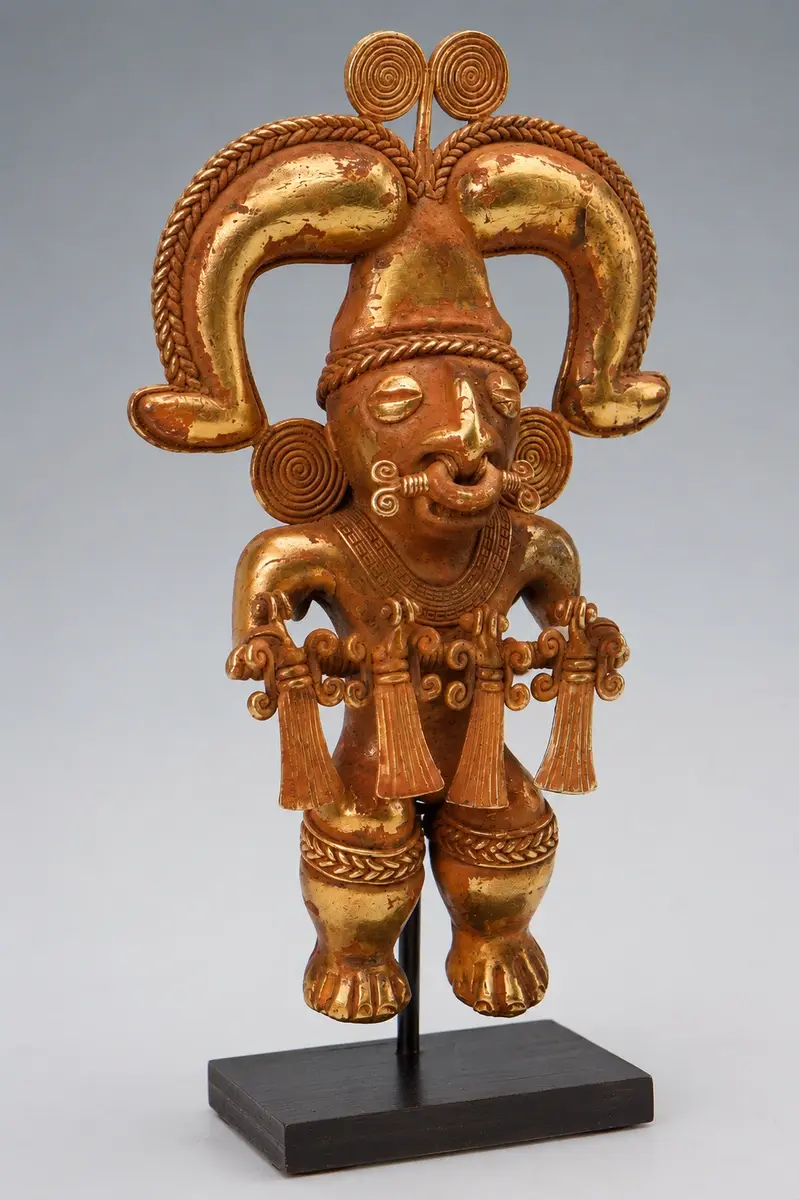
Both the Tairona and the Muisca cast small tunjo figurines from tumbaga, a gold, copper, and silver alloy, using the lost-wax method.
Although the Muisca and Tairona cultures were closely related to each other, scholars have managed to detect several key differences between the cultures. First, while the Muisca people used to create ceremonial masks and elaborate headdresses, the Taironas remained focused on other forms of adornment, such as pendants and collars. Second, the Muisca people often depicted gods and kings in their jewelry, while Tairona jewelry was mostly symbolic and short on realistic motifs. Most importantly, while the Muisca figures were primarily religious, the Tairona figures often depicted scenes from everyday life.
Tairona Cosmology, Society Organization, and Unique Traditions
Scientists have managed to establish several cultural layers within the Tairona community based on the study of archaeological artifacts. First, all Taironas acknowledged the supreme power and superiority of the shamans, who served as the central power in the city-state system. Second, the culture of the Taironas was distinguished by a principle of separation and isolation, which was reflected in the structure of society and the way of life of the people. The Taironas were not used to mixing with other tribes, and therefore the inhabitants of the Tairona territories lived rather isolated from each other.
The cultural layer of Tairona society also included numerous unique traditions. It is assumed that the Taironas were one of the few indigenous peoples among the American civilizations who officially accepted divorce. In addition, the Taironas held festivals that lasted for several days in a row and were characterized by a large number of rituals. The prolonged festivals were associated with the cult of the universe, in connection with which the Taironas gathered to share and discuss the meanings of the universe. Coca leaves played a big role in these celebrations, as did the contemplation of consciousness and the soul.
Decline of the Civilization and Its Legacy
The history of the Tairona civilization came to an unfortunate end in the middle of the 17th century. Conflicts and battles greatly affected the development of this culture, leading to the disruption of social balance and the destruction of cities. The inhabitants of the city-states of the Taironas were forced to abandon their ancestral homeland and hide in the mountains, where they were eventually conquered by the Spanish invaders. Subsequently, the once-mighty civilization of the Taironas was swallowed up by the wilderness. However, even more than 400 years later, scientists continue to study the remnants of this ancient culture, trying to learn as much as possible about the Taironas.
It is believed that the ancestors of the modern Kogi people are descendants of the Taironas who managed to survive the Spanish conquest. At the moment, the descendants of the Taironas still live in the Sierra Nevada de Santa Marta mountains, practicing an ancient cult that local Spanish priests once described in great detail. Thus, it is not an exaggeration to say that the culture of the Tairona people did not actually disappear, but only went into hiding, waiting for the right time to be discovered again by the people of modern Colombia.