The Chamorro people have been living on the Mariana Islands for 3 and a half thousand years, making them one of the oldest seafaring cultures in the western Pacific. They were there when Magellan's battered fleet arrived in 1521, and still there when three centuries of Spanish rule were added to a brief interlude of German administration, another brutal Japanese occupation, and a hundred plus years of American territorial control. Their population, scattered across the globe, still lives in California, Washington, Texas and the Mariana Islands today.
That long and varied history is part of what makes the Chamorro so fascinating; almost every aspect of their identity, not just their name or their cuisine, is the result of someone, somewhere wanting to change their culture. Not that the inner core of their culture ever really went away. Despite the colonial upheavals, the ancient value system continues to lie beneath the churches and the military installations.
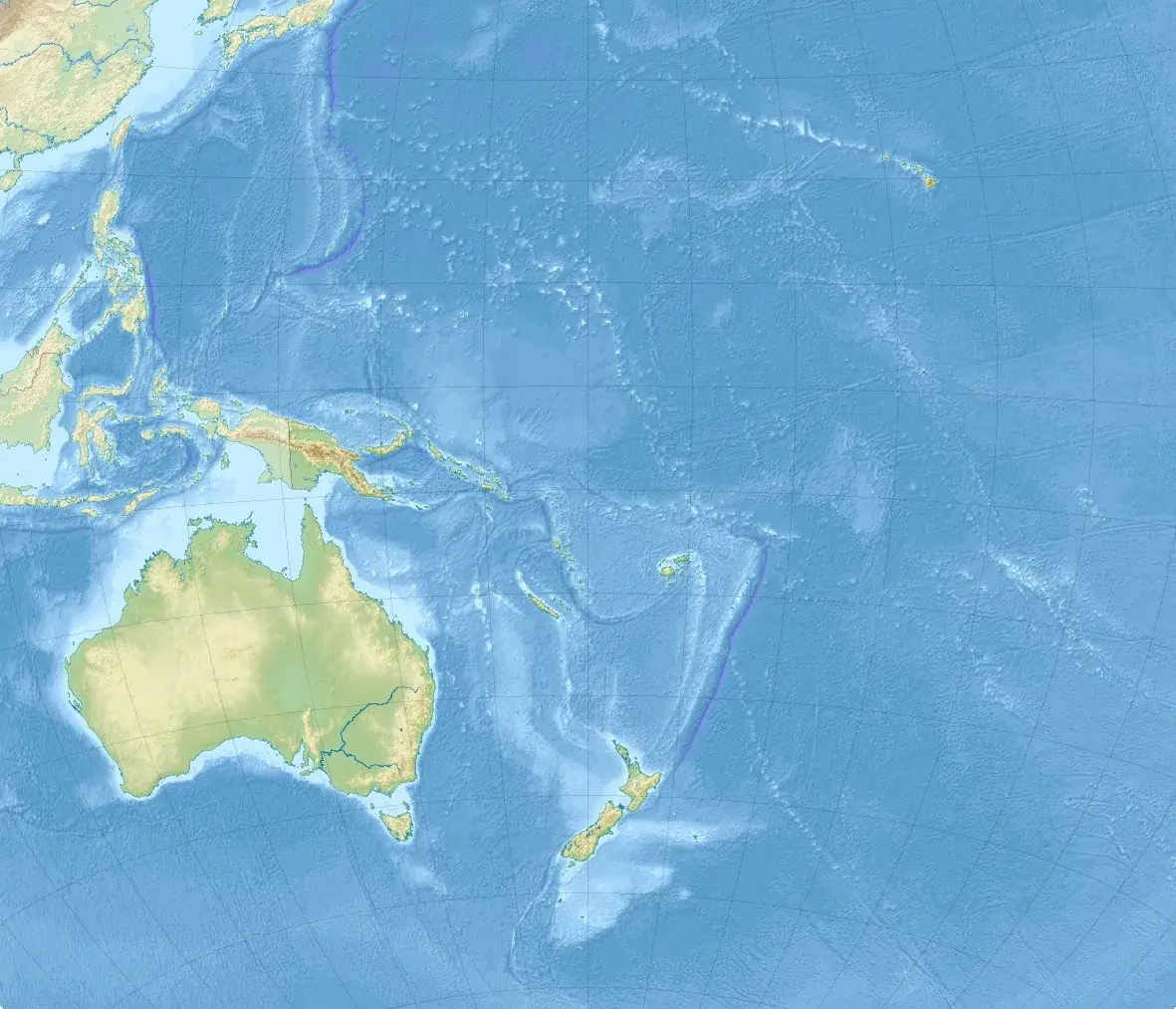
The Mariana Islands are politically divided across a territorial border. Guam is a territory of the United States, while the islands to the north of it constitute the Commonwealth of the Northern Mariana Islands. Separated by a narrow strip of ocean, the Chamorro people on either side have the same language, ancestry and creation myth, although the twentieth century has given them vastly differing memories.
Who the Chamorro People Are Today
Simplified, Chamorro refers to the indigenous population of Micronesia's Mariana Islands. The 2020 US census counted a little over 63,000 people who identified as having Chamorro ancestry on Guam and nearly 17,000 on the Northern Marianas. Of those numbers, approximately 50,400 on Guam and 12,000 in the Northern Marianas identified as exclusively Chamorro.
While they can only have a vague sense of themselves as representatives of an indigenous people, the numbers are still telling. Across the United States census overall, there are around 168,000 individuals who identify as Chamorro, whole or partially, and about 81,000 who identify as exclusively Chamorro. In other words, more Chamorros live outside the Mariana Islands than on them. The US census counts them as Pacific Islander Americans, alongside Native Hawaiians, Samoans and others.
The implications of that dispersion have made the question about what it means to be Chamorro, and how that identity can be preserved, more complex than it might have been before.
Chamorro or Chamoru? Where Did the Name Come From?
The name Chamorro is a small insight into the culture, although it is one that was largely imposed upon them by Spanish colonizers. Before European contact, Mariana society was cast into different classes, and Chamori was the name of the ruling caste. After Spain came, the caste system was gradually abandoned, and the Spanish started applying the term to whichever indigenous inhabitant of the Mariana Islands they met, regardless of their class.
As for the origin of the word, it is possible to speculate. Chamorro happens to be a Spanish surname, and in older Spanish dialects it could mean bald or something similar. One theory is that the word came to mean what it means because of a particular style of haircuts. A Catholic missionary around 1670 described men who shaved their heads, leaving just a small tuft at the top of their head, and that style has since been immortalized as a feature of the modern artwork depicting early Chamorros.
It turns out that earlier European descriptions from the 1520s and 1530s contradict it; the men and women in these accounts had black hair that they wore long, sometimes to their waist. Around fifty years later, it is reported, people would tie their hair in one or two topknots. Perhaps the image of the shaven head is not some universal feature of Chamorros, but specific to a particular time and place. The Spanish explanation of the word has some credibility, but it is built on less certain ground.
In more recent years, Guam has campaigned for an alternative. Chamoru is the indigenous variant of the word and a 2017 Guam public law reflects that preference. In 2018, the island's Commission on the Chamoru Language and the Teaching of the History and Culture of the Indigenous People of Guam officially declared that Chamoru is the preferred standard for both the people and the language. Worth noting, the 'ch' is a single letter and so both letters are capitalized at the beginning of the sentence, a bit like the 'ij' in Dutch.
Ancient Origins of the Chamorro Society and Seafaring Migration
According to the long-standing scholarly view, the first Chamorros arrived on the Mariana Islands from the Philippines around 1500 BC. Linguistically and culturally, they are related to other Austronesian peoples, including Filipinos, the Indigenous Taiwanese, peoples of eastern Indonesia and the Caroline Islands to the south, especially peoples of the outer islands of Yap.
Their arrival on the islands was no mean feat. The Marianas are a set of islands far out in the Pacific Ocean, and to get there you would need to be a competent seafarer. These were skilled sailors, and they were just as adept on land, where they produced intricate pottery and weaving.
Debates About the DNA of the Chamorro People's Ancestry
This is where it really gets interesting. The prevailing understanding has been that the first Chamorros came from the Philippines. Recent DNA analysis of the remains of ancient Chamorro has largely supported that picture. A 2021 study of two skeletons from the Ritidian site in northern Guam, dating to around 2,200 years ago, linked their ancestry to the Philippines, and also found close ties to early Lapita individuals from Vanuatu and Tonga.
Still, it's worth holding these conclusions loosely. Ancient DNA is a relatively new field; sample sizes from remote Pacific sites are low, and different studies don't always draw the same conclusions. What genetic and linguistic evidence they do have, however, points to Chamorro people as belonging firmly within the larger Austronesian expansion that eventually reached from Madagascar to Easter Island. The point of origin for the voyage to the Marianas remains an open question, and an exciting one at that.
Megalithic Latte Stones and Early Chamorro Society
If there is an icon of ancient Chamorro, it is the latte stone. This megalithic pillar takes the form of a rounded capstone at the top of a vertical element, and the early Chamorros used these as foundations to build buildings on top of them. Today, the latte stone has found its place as a national symbol, and it can be seen displayed around the islands in flags, seals, and souvenirs.
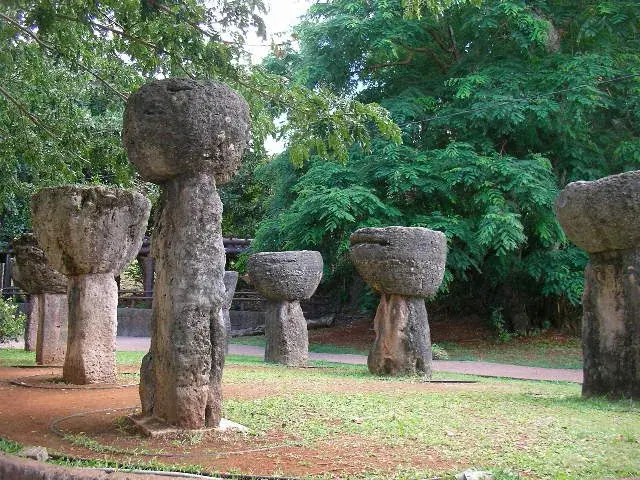
Latte stones once raised Chamorro houses off the ground and have since become a national symbol of the Mariana Islands.
Image Credits: Hajime NAKANO from Tokyo, Japan, via Wikimedia Commons (CC BY 2.0)
Family structure was just as notable. Sociologist Lawrence J. Cunningham described traditional Chamorro society as a 'matrilineal avuncuclan'. In practice, this meant mother's brothers often took on a more fatherly role than would the biological father. Lineage ran through women, and that tradition has held up to this day; many Chamorros still trace their clan back to a shared female ancestor and big extended families are the cornerstone of life on the islands.
Farming, too, had its own rhythm. Spanish colonial records note that Chamorro farmers would time their plantings to the phases of the moon, and on the island of Guam, planting root crops such as yams and sweet potatoes would be timed to happen at full moon and low tide. Archaeological finds point to the Marianas having been growing rice since pre-historic times, which sets them apart from much of the wider Pacific region.
The Chamorro Caste System: Chamori and Manachang
Early European accounts of the Mariana Islands - including one by the French Jesuit Father Charles Le Gobien, who never visited the islands himself - described a society split into two sharply divided castes. At the top of the hierarchy were the Chamori. Below them were the Manachang, who Le Gobien thought were physically distinguishable - shorter, darker-skinned than the upper caste. The two groups could not inter-mix.
The Chamori were further divided, into the ruling Matua, sometimes written Matao, and the lower Achoti, or Acha'ot. There was mobility possible between the two upper tiers, so an Achoti could rise and a Matua could fall. The Manachang, on the other hand, had no option; they were born into their station and died in it. Everyone worked, but each class had its duties assigned to it.
Le Gobien went as far as to suggest that Chamorro society might have formed from the settling of different peoples in the same place. It's a theory that some elements of the Chamorro language and certain social customs could support, although, like much of what early missionaries wrote, it should be taken with a degree of skepticism about the views of the observers.
Puntan and Fu'uña in the Chamorro Creation Story
The story of the creation of the world according to the Chamorro centers on a pair of divine twins, a brother named Puntan and a sister named Fu'uña. As Puntan was dying, he asked his sister to make the universe from his body. She made his eyes into the sun and moon, the eyebrows into rainbows, the chest into the sky and much of the rest of him into the land.
Fu'uña, who had the power to give life, descended to an island called Guåhan and transformed herself into a great rock. When the rock split open, the first human beings emerged from it. People still disagree where that rock was; some say it was in the location of a church in Agat, while others are convinced it was in Laso de Fua, a distinct rock formation in Fouha Bay near Umatac.
Fouha Bay is one of two places tradition links to the rock from which Fu'uña gave birth to the first people.
Image Credits: Uwe Dedering, via Wikimedia Commons (CC BY-SA 3.0)
Like many oral traditions, the tale has changed considerably throughout the retelling from generation to generation. However, it does have traces deeply ingrained into the map of Guam. Several villages have names related to parts of the body; Barrigada relates to flank, Tiyan to the stomach, Hagåtña to blood, and Mongmong to a heartbeat.
Ancestor Spirits, Taotaomona and Traditional Belief
Ancient Chamorros did not have religion in the sense of worshipping gods. Rather they worshipped their ancestors, which is where some of that tradition has carried on.
The Taotaomona, roughly meaning 'people of early times', are the spirits of the ancestors of ancient Chamorro. Their belief extends to Rota and Saipan, and their spirits are said to be exponentially stronger than any living person and able to bring illness or death to anyone who disrespects them. They can take the form of men or women, beautiful or monstrous. Tradition holds that they live near latte stones, and to this day some islanders will quietly ask the permission of the ancestors before entering certain stretches of jungle. A related word, birak, covers a wider range of entities, ranging from the restless dead to demons and elemental spirits.
Legends of the supernatural extended beyond ancestors. One story describes how the narrow middle of Guam is caused by a monstrous fish chewing on either side of the island. The men could not catch this fish, despite their magical abilities. The women wove a net from their hair, singing as they worked, and the net grew with the song until the enchanted fish swam straight into it.
An Austrian traveler named Christoph Carl Fernberger claimed in 1623 that people offered human sacrifices to appease a 'great fish'. It is a startling claim, but coming out of a singular visitor, it may simply be an embellishment of that particular legend.
Clothing, Teeth Blackening and Pre-Contact Customs
Before Spanish contact, Chamorro men generally did not wear clothing at all, and women wore only a small covering made of bark, leaves, turtle shell or matting. Woven leaf hats kept them safe from the tropical sun.
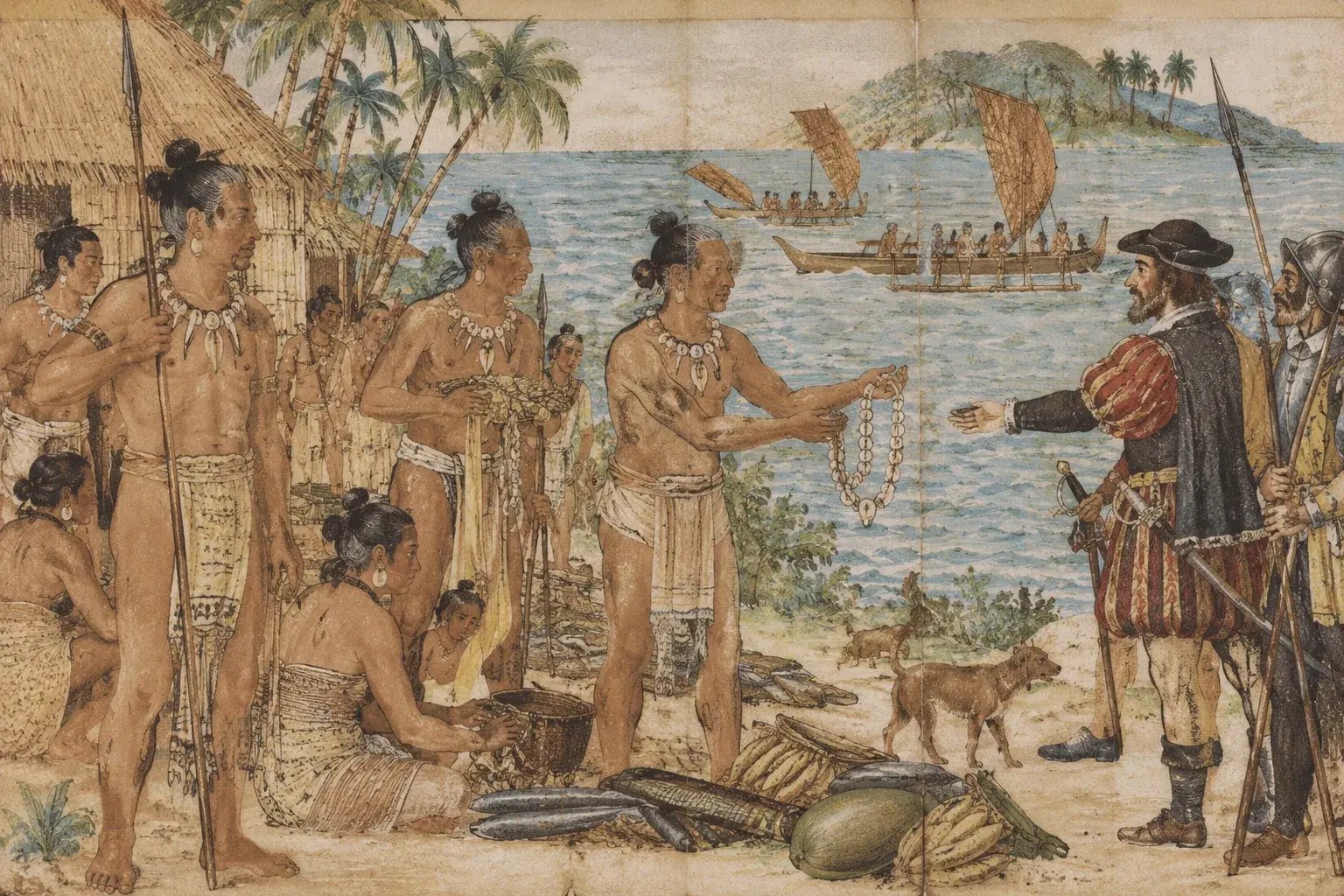
The Boxer Codex, compiled around 1590, holds some of the earliest European images of Chamorro people in the Marianas.
Beauty standards were also different. The missionary Father Pierre Coomans described Chamorro women blackening or lacquering their teeth, which they saw as a mark of beauty distinguishing them from animals. The same custom was widespread across maritime Southeast Asia, Japan, southeastern China and parts of Indochina, and fits well with the Chamorros' Austronesian roots. Fernberger also described genital piercings among young men, similar to pre-colonial island Southeast Asia.
Magellan, Spanish Rule and Catholic Conversion
European contact began on March 6, 1521, when the battered fleet of Ferdinand Magellan arrived on the Mariana Islands. This was the beginning of more than three centuries of Spanish rule, which lasted until 1898.
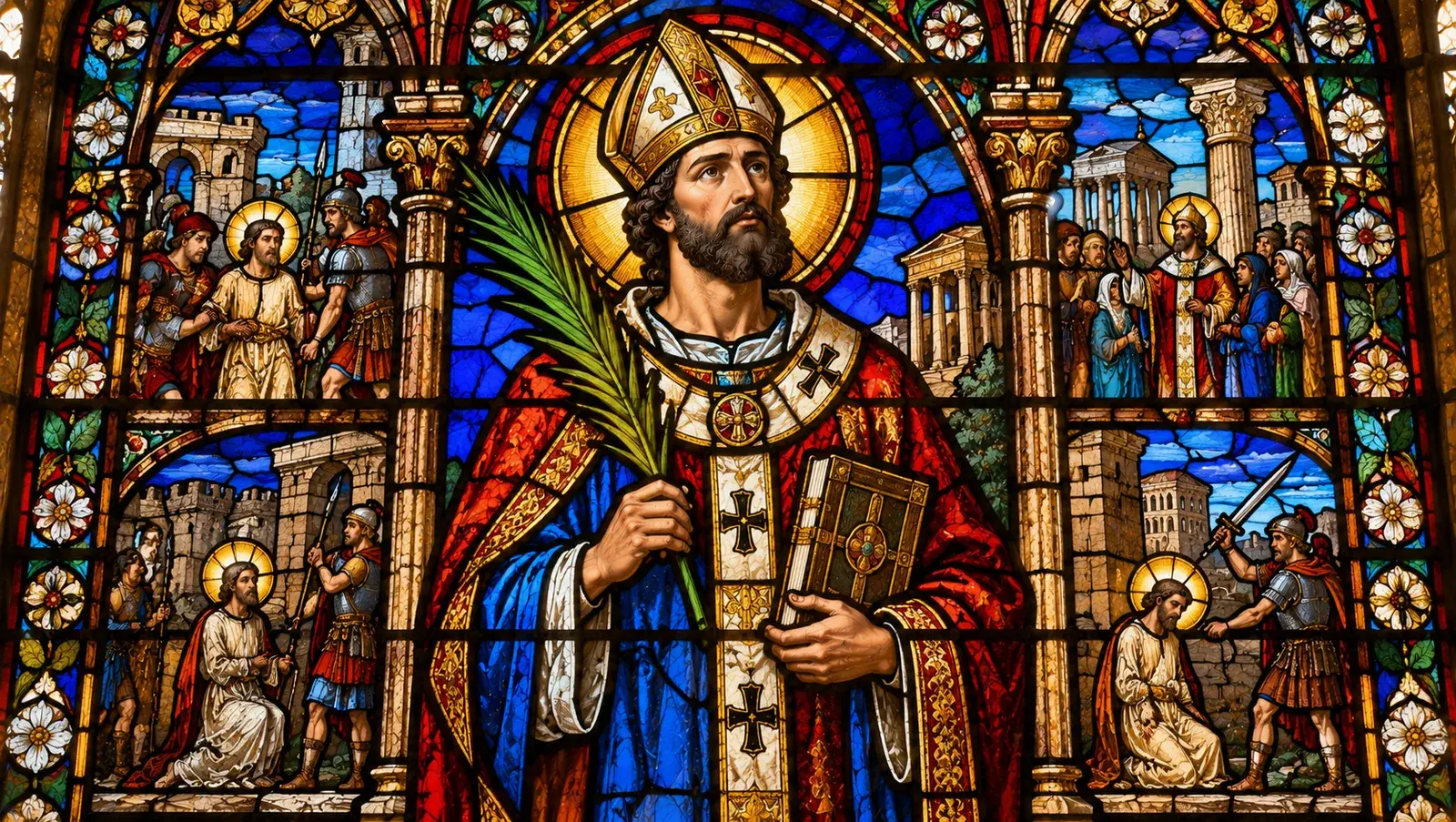
Conversion to Catholicism was the Spanish objective, and they did not always reach it peacefully. Historian Father Francis X. Hezel has documented that Chamorros caught in the act of practicing what the Spanish considered pagan sorcery were publicly punished. There was also resistance to this Spanish rule. In April 1672, a Chamorro man, furious that the missionary Father Diego Luis de San Vitores had baptized his child, killed the priest and his Filipino catechist, Pedro Calungsod, with the aid of a friend, and threw their bodies into the sea.
Spanish rule has left its mark. Families were given Spanish surnames from an official alphabetical catalog. Many Spanish words seeped into the Chamorro language, to the point that the traditional Chamorro counting system was entirely replaced by the Spanish numbers. The Spanish era also brought much contact with Filipinos, adding another layer to the Chamorro family tree, and cockfighting and associated gambling became a long-standing pastime, especially among men.
Guam Under the United States After 1898
The Spanish-American War ended the Spanish occupation of Guam. The American forces captured the island on June 21, 1898, and under the Treaty of Paris signed that December, Spain ceded Guam to the United States, with the transfer taking effect on April 11, 1899. The Northern Islands passed through German and later Japanese hands. It is the root of today's political division.
Guam still appears on the UN list of 17 non-self-governing territories, which speaks volumes about the lack of completion of the process.
The Japanese Occupation of Guam in World War II
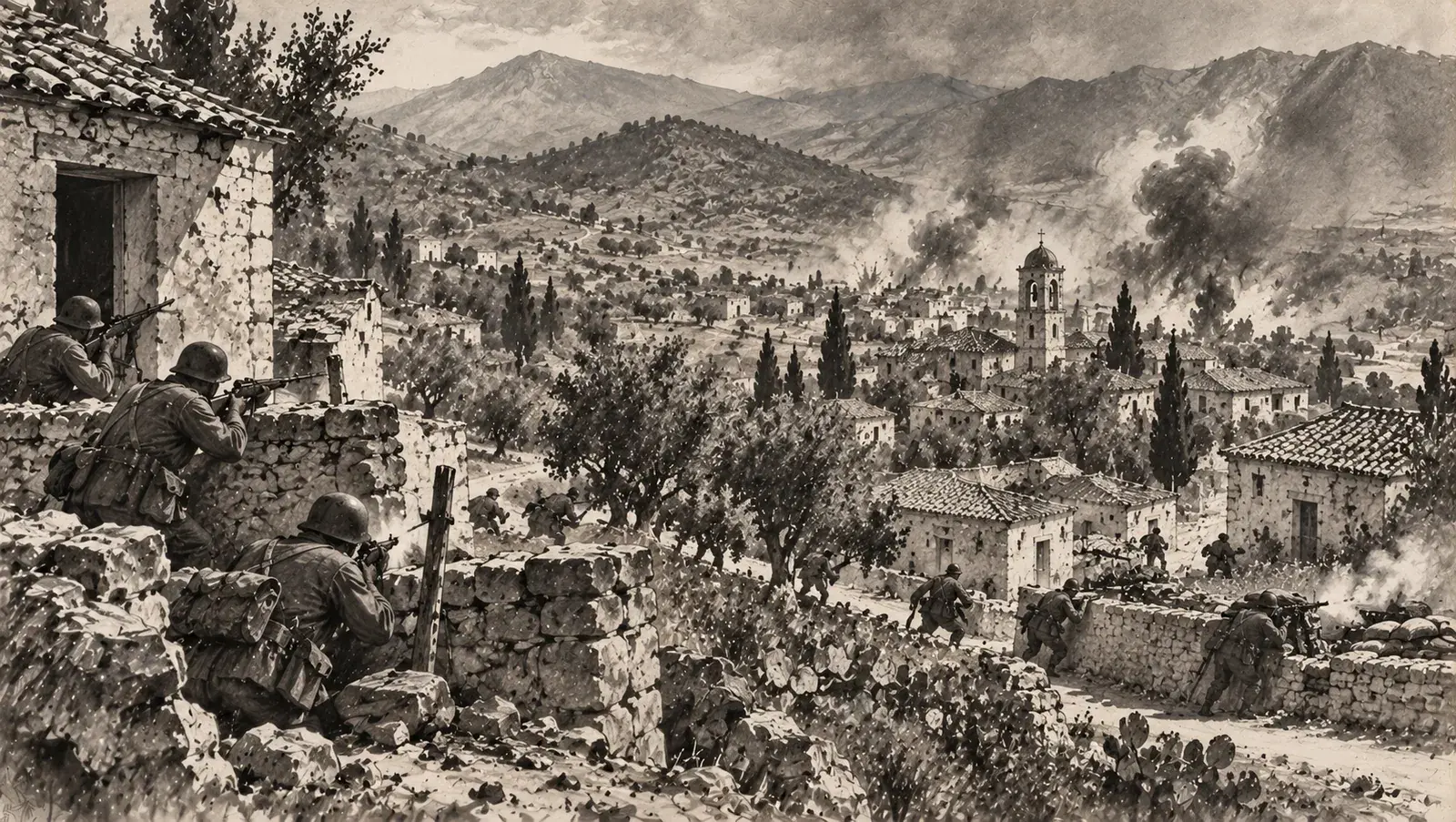
WWII is the event that cuts deepest into history. On December 8, 1941, hours after the attack on Pearl Harbor, Japanese forces from the Marianas invaded Guam. Following that, two and a half years of occupation marked with forced labor, imprisonment, torture, and executions took place.
There was an additional layer of pain for the Guamanians on the island. While the Japanese had been ruling over the Northern Marianas for more than two decades, they brought many Chamorros from the Northern Marianas to aid and assist in the occupation of Guam. For many Guamanians, this has become a lasting rift between the two Chamorro communities and a principal reason for the rejection of the 1960s proposal to reunify the islands, which the Northern Marianas had voted for.
American forces landed to retake Guam on July 21, 1944. The island commemorates this date every year as Liberation Day.
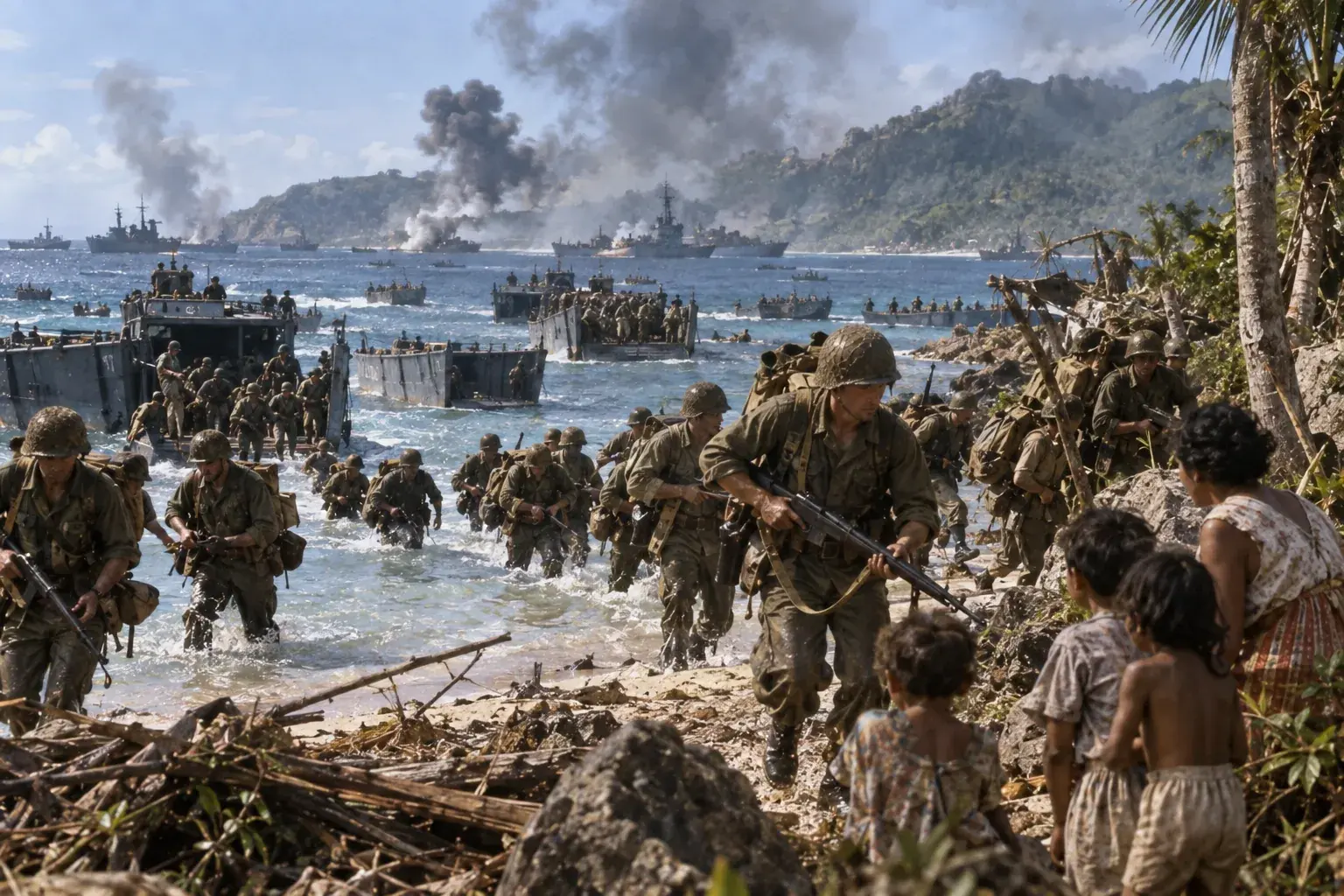
The American landings of July 21, 1944 ended a harsh occupation and are remembered on Guam each year as Liberation Day.
The Guam Organic Act and US Citizenship
The Guam Organic Act of 1950 established a civilian government, made Guam an unincorporated organized territory, and granted its people US citizenship. For the next eighteen years the governor was still appointed from Washington until the Guam Elective Governor Act of 1968 allowed the people to select them.
US citizenship has its limitations and implications, and it still does. Because Guam is not a state, its residents can not vote for president, and their representative in Congress does not have a vote. They can vote for the party delegates in presidential primaries, though. This distinction is at the heart of the rights movement of the Chamorro people, which has grown in the decades on Guam. Their leaders want ancestral lands to be returned to the Chamorro families and a greater say in political matters.
Chamorro Migration to the US Mainland
The earliest Chamorro migrants to the United States left Guam in the first decade of the 1900s. Small groups traveled to Hawaii and the western states, often working as farmers. During the 1930s, young Chamorro men were recruited into the US Navy, and after World War II, that was the start of the first wave of Chamorro military families leaving the island.
Citizenship in 1950 made the move much easier. More than 160 Guamanians left for the mainland during that decade, many settling in California. In 1952, migrants in Washington, D.C., many of them working for the Department of Defense, founded the Guam Territorial Society, later known as the Guam Society of America. More migration followed in the 1960s, spurred in part by the destruction of Typhoon Karen in 1962, and again in the 1970s. The formal political union of the Northern Marianas with the United States in 1986 opened the way up.
Today, San Diego County has the largest Chamorro community of any US county, with just over 9,000 people.
The US Military and Modern Chamorro Life
The American military is not just present in the Marianas - it is woven into the fabric of Chamorro life. Enlistment rates there are higher than anywhere else in the United States. On Guam, around 14 of every 10,000 people enlist, roughly double the rate in Montana, the state with the highest per-capita enlistment. Peter Gumataotao, who became the first Chamorro two-star flag officer in the US military, is just one of the many examples of how far that path can lead.
American customs are a big part of daily life, alongside elements of Spanish, Mexican, Japanese and Filipino culture and neighboring Micronesian communities. In the Northern Marianas, even the German period has left a trace in certain first names and family surnames. The islands have become thoroughly multiethnic, with Rota the least mixed of the bunch.
Inafa'maolek and Core Chamorro Values
Beneath the influences of outside forces is an older philosophy, Inafa'maolek (interdependence or working for the good of each other), which predates European contact. This is reflected in the strong respect for family, community and the elderly, or man åmko', that is expected of Chamorros. The degree to which this code is followed varies from family to family, but serves as a touchstone for what is considered proper Chamorro behavior.
Another pre-colonial tradition that continues today is the respect for traditional healing methods. A suruhånu (or suruhåna for women) is a highly respected figure in the community for their knowledge of medicinal plants, as well as their skill in navigating the spirit world.
Contemporary Chamorro society is heavily Roman Catholic, and in fact the Mariana Islands have the highest percentage of citizens who identify as religious out of all the US states and territories. Only 2.5 percent of Guamanians and 1 percent of Northern Marianas residents consider themselves to not have a religion.
Modern influences have also had negative effects, namely the boom in diabetes and heart disease among Chamorros and other Pacific Islanders in the Marianas, such as the Carolinian Refaluwasch population.
The Chamorro Language Revival
The Chamorro language belongs to the Austronesian family, more specifically its Malayo-Polynesian branch. Though today it is spoken in fewer households than before, there has been a recent rise in attempts to revive the language, and both Guam and the Northern Marianas now have laws that require public schools to teach Chamorro from elementary through high school.
The first phrase that many travelers learn is håfa adai, the standard greeting.
Chamorro Dance, Chant and Storytelling
Chamorro dance is the most powerful medium for preserving cultural heritage, as it encompasses chant, movement, and storytelling. Throughout the US, Chamorro dance troupes – often called a guma and learning routines from instructors who studied under troupes in Guam – keep the tradition alive and pass it on to the next generations in diaspora communities.
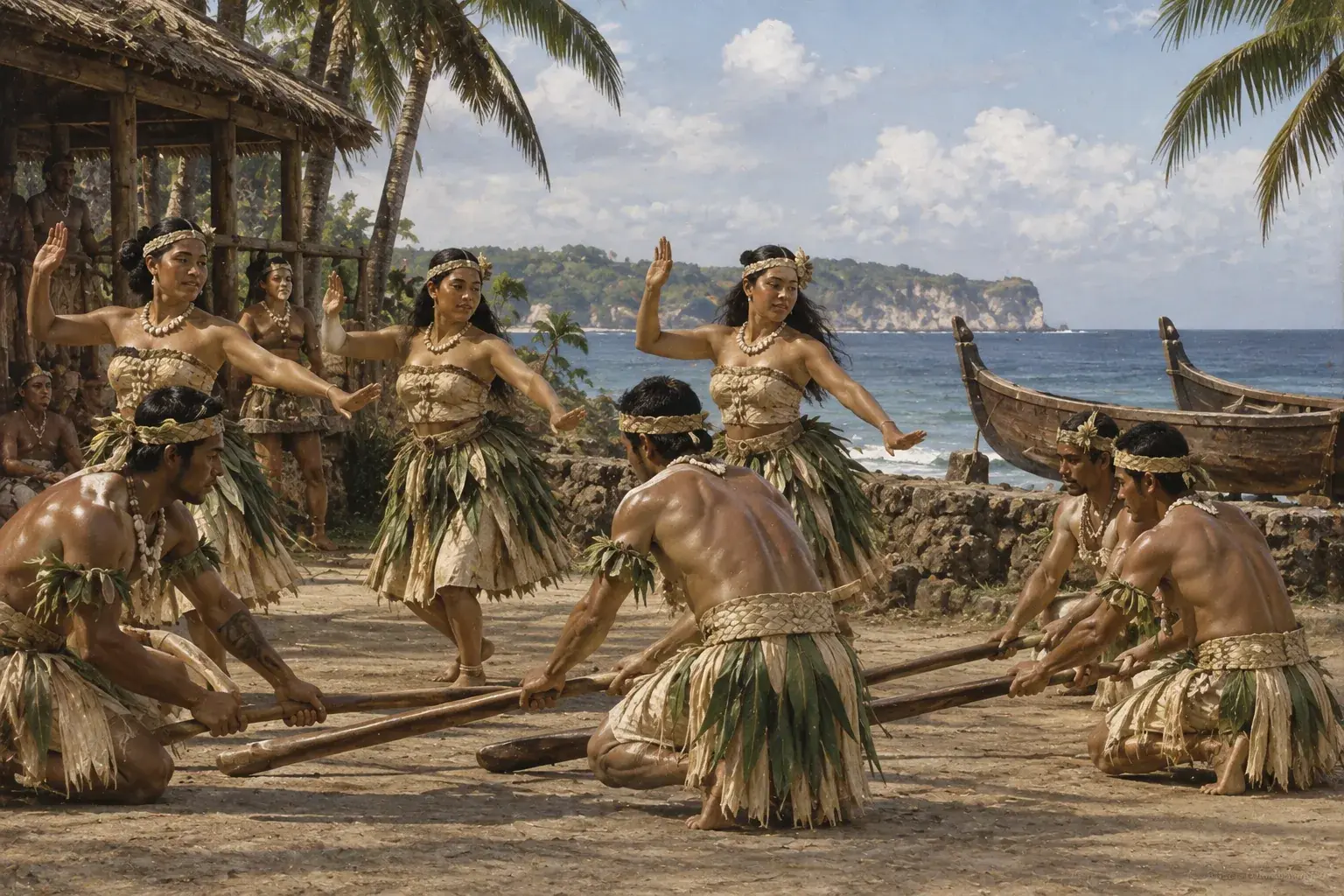
Many Chamorro dance movements echo the outrigger canoes that once carried islanders to sea for fishing and war.
Costumes are often homemade; women wear mestiza dresses and men wear a sadí made of cotton or linen. Many of the movements are inspired by the canoe, as the outrigger canoes were the main form of transportation, besides the many uses for fishing and fighting during the pre-colonial era. These are re-enacted with movements and sticks, or wooden sticks.
Chamorro Food: Red Rice, Kelaguen and Fina'denne'
Perhaps the best window into the complex history of the Chamorro people is its food. Spanish colonizers brought over empanadas and cattle, which evolved into local specialties like tinala' katne. Filipino immigrants brought pancit noodles, and then post-WWII Spam and other canned goods found their way into the local diet and are now considered fixtures.
Meanwhile, local produce like breadfruit (lemmai), mango (mangga), coconut (niyok) and bilimbines are used to prepare unique Chamorro dishes, and guyuria are the islands' traditional cookies. One of the most well-known is red rice, which is colored with achoti and is the staple of any village fiesta, nobena or graduation. Kelaguen "cooks" meat with citrus juice and tinaktak stew meat in coconut milk, while most Chamorro dishes also include some form of fina'denne' as a condiment. However, local produce and unique cooking techniques like kelaguen can also be found in other Micronesian cuisines.
The brown tree snake (Boiga irregularis), which was accidentally introduced onto the island soon after WWII, has also had an effect on local food culture. It devoured Guam's native bird population and, together with illegal hunting, now threatens its native fruit bat as well. It represents yet another outside force that has threatened to upend Chamorro life.
What the Chamorro Story Says About Island Identity Today
Looking at what has been written about Chamorro history and culture, a certain theme stands out – that of the islanders as a people whose identity has been shaped by a series of outside influences. Every colony that ruled over the Marianas brought something unique – a surname, a religion, a recipe, new military uniforms – and these influences are still visible today. Red rice is eaten with empanadas at the same fiesta, and many islanders still ask permission from the ancestors before entering the jungle. Yet, the central dilemma of contemporary Chamorro society is the political one – since Guam is still a territory, its citizens cannot vote for the president who oversees the military installations on the island. The push for self-rule and return of ancestral land continues. At the same time, the growing diaspora means the cultural center is shifting away from the capital city of Hagåtña to San Diego and Seattle. Perhaps the greatest test for the Chamorro way of life is yet to come, as many who were born and raised on islands with a strong clan system find themselves far from home for the first time. However, the persistence of the local language in schools and the opening of dance troupes across the mainland suggest that many are willing to answer the call.