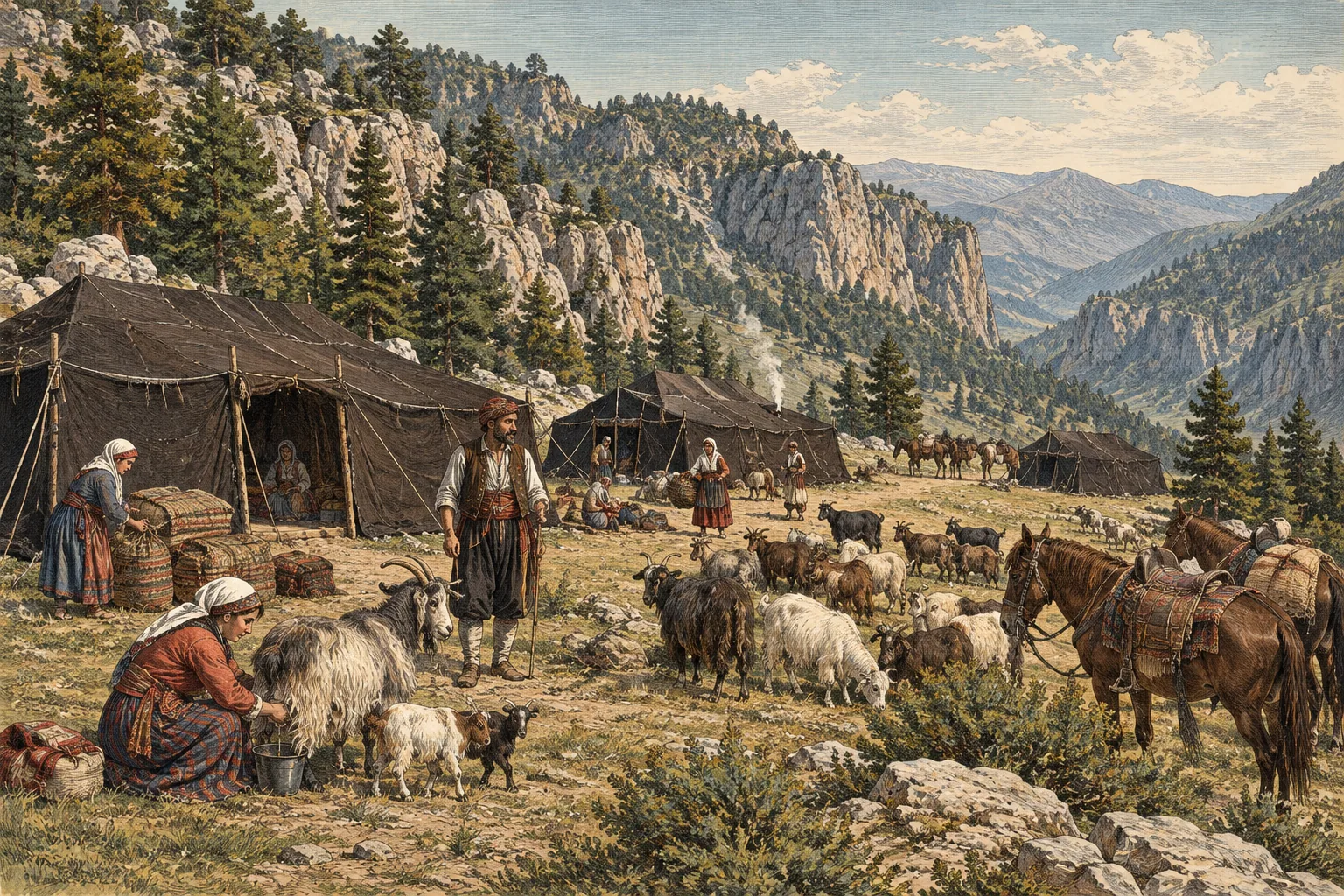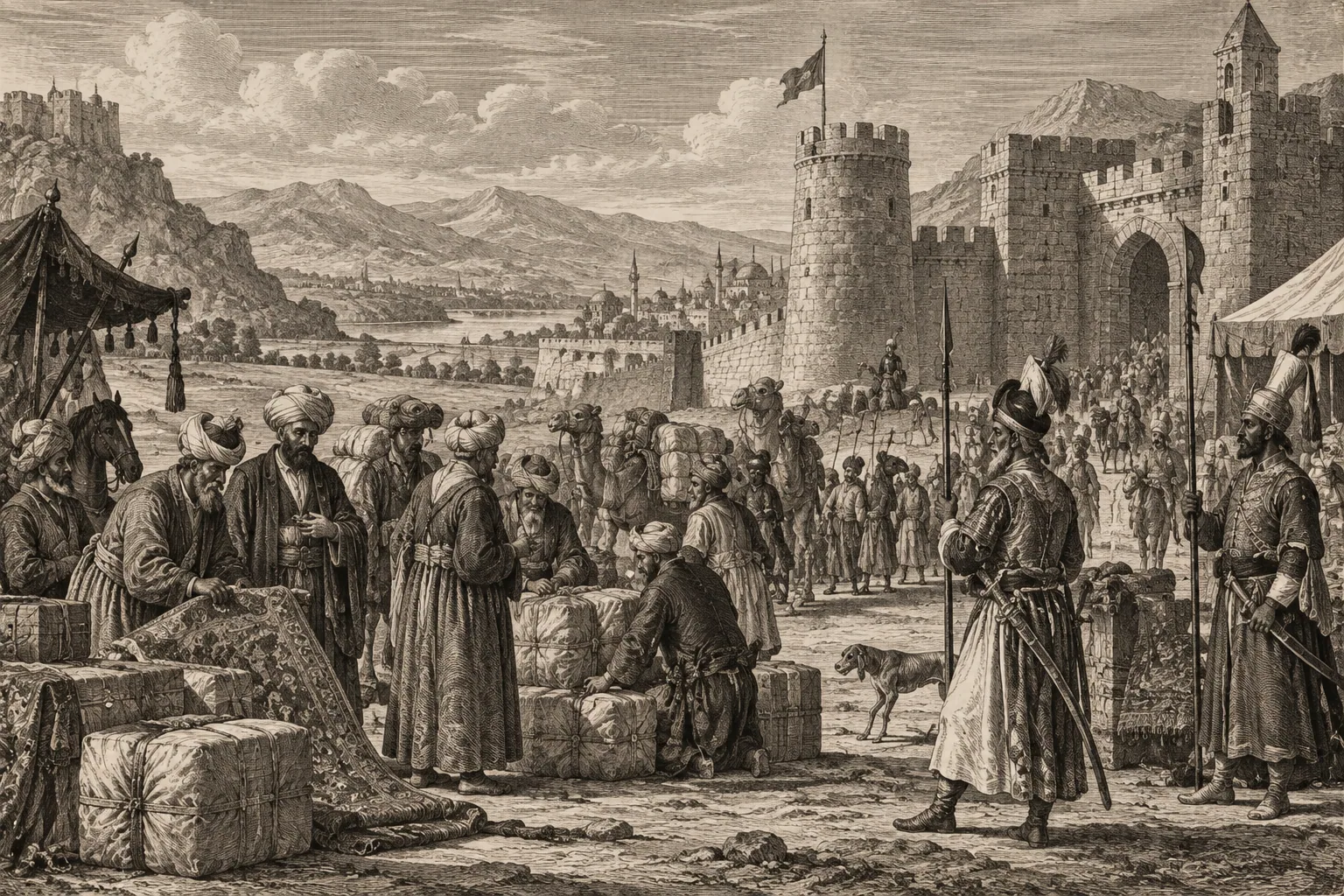
Iran and Turkey are two of the region's most influential states, and have had one of the most complicated relationships in the Middle East. Despite sharing a large, porous border, cultural similarities and multi-billion dollar trade, they have cooperated at times against Kurdish separatism, opposed each other in parts of U.S. policy, and engaged in diplomatic efforts over Syria.
Yet, they have also supported opposing sides in wars from Syria and Iraq to South Caucasus, competed for influence among Muslim-majority countries, and have traded accusations of each other's ambitions. Analysts have often remarked on the relationship as a mix of rivalry and interdependence, in which neither side can afford an outright war, but neither is fully trusting.
That tension seemed to peak in 2026, when Turkey alleged that NATO's air defenses had intercepted ballistic missiles launched from Iran towards Turkish airspace, as part of the wider Iran war. Here's how the relationship has developed, where the two countries compete, and why they depend on each other.
A Shared Cultural and Imperial Past
The lands of modern Iran and Turkey have been connected for thousands of years, with various empires ruling both regions. Empires based on Iran proper were often expansionist, and conquered part of Anatolia (modern Turkey), including the Achaemenids, Parthians and Sasanians. Later, Turkic dynasties, such as the Seljuks, took over parts of Iran and much of the wider region, embracing Persian language and literary traditions even as they brought Turkic rule.
This contributed to the development of the so-called Turco-Persian tradition. The Persian language was widespread throughout Turkic-ruled regions, and served as a language of poetry, administration, music and cuisine. This legacy continued throughout the Ottoman Empire, which has seen many Persian words and traditions absorbed into Turkish.
The Ottoman–Safavid Rivalry
The modern-day Iranian and Turkish governments and people, however, trace their rivalry to the 16th century, when the Sunni Ottoman and Shia Safavid empires were expansionist and often at war with each other. The Safavids were the first to officially adopt Twelver Shia Islam, which caused a sectarian rift to develop between the two countries.
The rivalry between the Ottoman and Safavid empires was particularly intense in the 16th and 17th centuries, with both engaging in a series of wars with each other. The Battle of Chaldiran in 1514, for instance, saw the Ottoman emperor Selim I defeat the Safavid Ismail, and the two were in conflict again in the 17th century. Ottoman economic measures, such as restricting trade with Persia, were also used as tools of pressure.
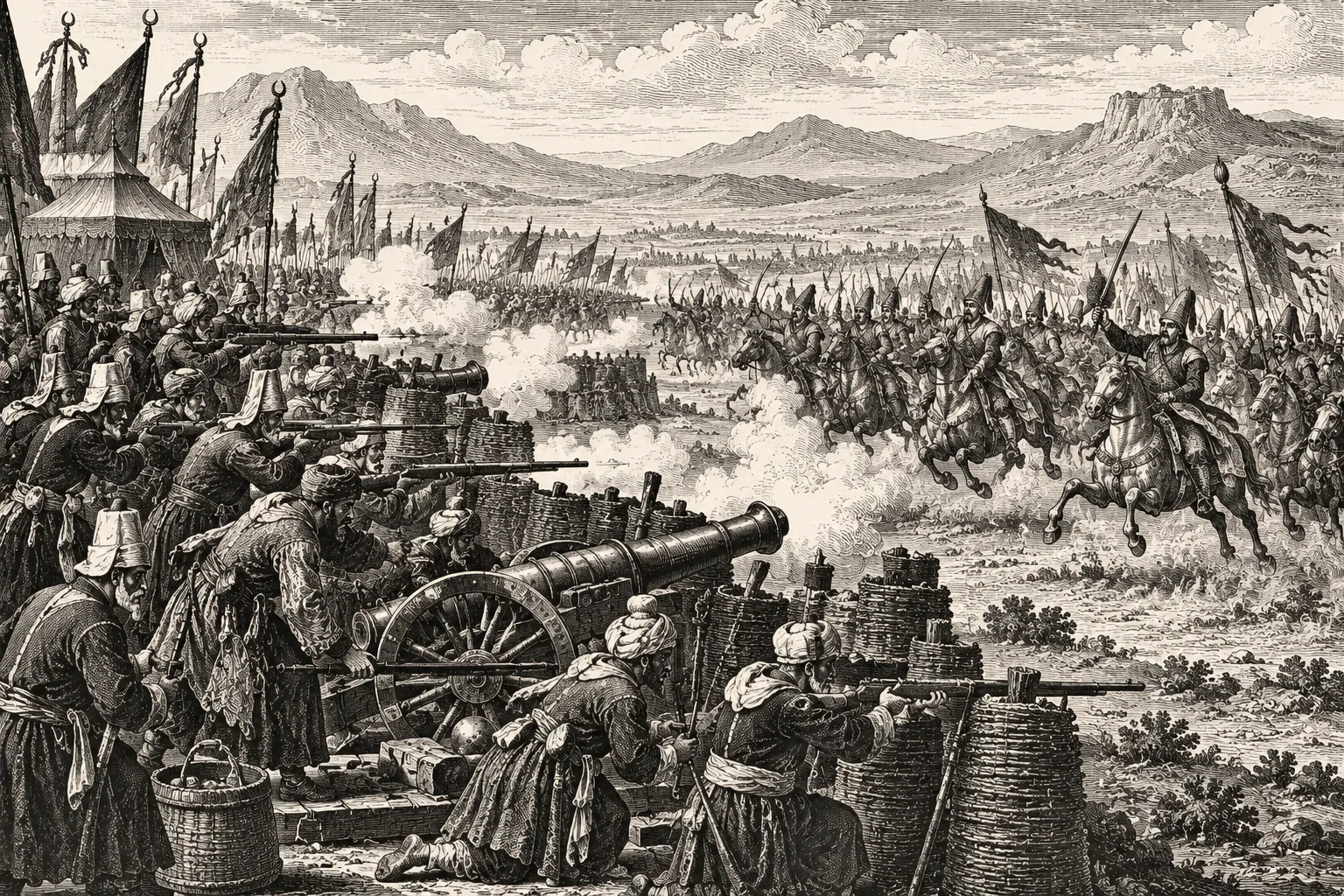
The 1514 Battle of Chaldiran, where Ottoman forces under Selim I defeated the Safavid army of Ismail I, opened more than a century of intermittent Ottoman-Safavid warfare.
The Treaty of Zuhab in 1639, however, created a rough division of territory between the two countries, which bore similarities to the modern-day border between Iran and Turkey. It can be seen, then, as one of the earliest treaties to fix a rough order of things in the region.
Wars and Treaties in the 18th and 19th Centuries
The two countries, however, were not always at peace with each other. Both fought a number of wars in the 18th and 19th centuries, including when Nader Shah, a powerful Iranian ruler, came to power. The Treaty of Erzurum, then, was a treaty of friendship and non-aggression between the Ottoman empire and Persia, signed in 1823 following a war between the two empires that had broken out in 1821.
A second Treaty of Erzurum was signed with the help of British and Russian authorities in 1847, which attempted to fix the border between the two countries. Disputes and tensions, however, persisted well into the 20th century, including over the movement of tribes, and Mount Ararat.
Friendship and Modernization in the Early 20th Century
The early 20th century saw both countries become republics. Mustafa Kemal Atatürk and Reza Shah Pahlavi both ruled modern-day Turkey and Iran, respectively, and both pursued centralizing, nationalist reforms rather than external expansion. The two leaders were of similar temperament, and a treaty of friendship and non-aggression was signed between their countries in 1926. Notably, it also concerned their worries about Kurdish separatism.
A border treaty was signed in 1932, and Reza Shah even visited Turkey in 1934, supposedly expressing admiration for Atatürk's reforms. The two countries co-signed a number of regional agreements in the 1930s, including the Saadabad Pact in 1937 by Turkey, Iran, Iraq, and Afghanistan. Additionally, the two were founding members of the Western-backed Baghdad Pact (also known as the Central Treaty Organization) together with Iraq, Pakistan, and Britain in the 1950s, and were founding members of the Regional Cooperation for Development (with Pakistan) in 1964.
Importantly, Ayatollah Ruhollah Khomeini spent part of his exile in Bursa in Turkey, in 1964 and 1965, before going to Iraq.
The Iranian Revolution Brings Distance
The Iranian Revolution of 1979, however, changed the dynamics of the relationship to a great extent. Turkey remained a secular government friendly to the West, while Iran transformed into an Islamic Republic with a virulent opposition to the United States and other Western countries.
Despite both countries having rather antagonistic views of each other, trade, energy and concerns over Kurdish militancy helped the two maintain a working relationship. Relations, however, deteriorated significantly after the revolution.
Kurdish Militancy: A Shared Worry and a Source of Suspicion
Kurdish separatism has been a concern for both countries. Turkey has traditionally been at odds with the Kurdistan Workers' Party (PKK), while Iran has had to deal with other Kurdish militant groups, including the PJAK. The two countries have, on multiple occasions, cooperated against Kurdish separatism, but there have also been allegations of either country supporting Kurdish groups.
The Turkish government has accused Iran of allowing the PKK to use its territory to launch attacks on Turkey, allegations which Iran has always denied. Turkey has accused Iran of supporting Kurdish groups to create a Kurdish buffer zone between itself and Turkey. At the same time, Iran has accused Turkey of intervening in Syria and Iraq as ways to expand its influence.
Trade and Energy: Why Iran and Turkey Need Each Other
Both countries maintain reasonably good economic ties with each other. Turkey has imported significant amounts of natural gas from Iran in recent years, under a long-term deal, and the two countries trade extensively in textiles, machinery, and agricultural products. Bilateral trade increased rapidly during the 2000s, and reached approximately $10 billion in 2010. The two countries are members of the Economic Cooperation Organization, and have extensive trade routes passing through Turkey to Europe.
Sanctions have affected bilateral trade, however, which is why Turkey stopped buying oil from Iran in 2019, when the U.S. terminated waivers for Iranian oil exports. Bilateral trade in other sectors, however, continues.
The Nuclear Issue and the NATO Radar Dispute
In 2010, Turkey and Brazil helped negotiate the Tehran Declaration, under which Iran would send some of its LEU to Turkey in exchange for reactor fuel, thus alleviating concerns about the Iranian nuclear program. At the same time, however, Western countries pushed through with additional sanctions on Iran. A year later, Turkey agreed to host a NATO early-warning radar at Kürecik, and Iranian officials accused Turkey of wanting to protect Israel from Iranian missiles. Turkey, however, has consistently denied such accusations.
Another issue that strained the relationship between the two countries was related to Iran's nuclear program. In 2010, Iran and Turkey had signed a deal over the delivery of LEU. However, Western countries had accused Iran of trying to develop nuclear weapons, and additional sanctions were imposed. Turkey, for its part, argued that the deal was a way for Iran to circumvent international inspection and inspection by the IAEA.
The Syrian Civil War Deepens the Rivalry
The Syrian conflict has been the most important source of tension between Turkey and Iran. While Iran has been a key ally of Syrian President Bashar al-Assad, providing military and economic support, Turkey has generally been against Assad and has offered refuge to many Syrian refugees.
Despite the rather different approaches, however, Turkey, Iran, and Russia have launched the Astana talks to discuss Syria. The talks, however, often revealed a lack of common ground between the three countries, as Turkey was concerned with Kurdish militias along its border, while Iran sought to protect Assad.
The rivalries between Turkey and Iran, however, hit a new peak in late 2024. Rebel offensives rapidly captured Damascus and toppled Assad in December, and Iranian officials accused Turkey of facilitating the offensive. For Turkey, the fall of Assad was an opportunity to expand its influence in Syria, while Iran lost one of its most important allies.
Iraq: Competing Allies and Militias
In Iraq, Iran has close ties with most of the country's Shia political parties and militias, and Turkey has close ties with the Kurdistan Democratic Party in Iraqi Kurdistan. The latter has launched several attacks on Turkey, and Turkey has launched several military operations in northern Iraq to target PKK fighters.
These uncompromising attitudes have, on multiple occasions, led to clashes between Turkish and Iranian-backed fighters. In 2021, Iran-backed militias in Iraq have attacked Turkish military posts and warned Turkey not to launch further operations in the region. The Sinjar region, in particular, has been a flashpoint, due to its proximity to the Syrian border and the presence of PKK-linked fighters.
The South Caucasus and Azerbaijan
The South Caucasus is also an important area of rivalry between Turkey and Iran. Turkey is Azerbaijan's closest ally, and shares many ethnic and cultural ties with the region. Iran has a large ethnic Azerbaijani population (estimated to number in the millions), and has worried about pan-Turkic nationalism inspiring separatism.
During the 2020 Nagorno-Karabakh war, Turkey strongly supported Azerbaijan, while Iran officially supported Azerbaijan's territorial integrity, but criticized the foreign fighters and warned of border troubles. Relations between Turkey and Iran in the Caucasus were further complicated in December 2020, when President Recep Tayyip Erdoğan recited a poem in Baku that lamented the division of Azerbaijani lands along the Aras River. Iranian officials have accused Turkey of seeking to undermine Iran's territorial integrity, and both countries summoned each other's ambassadors in protest.
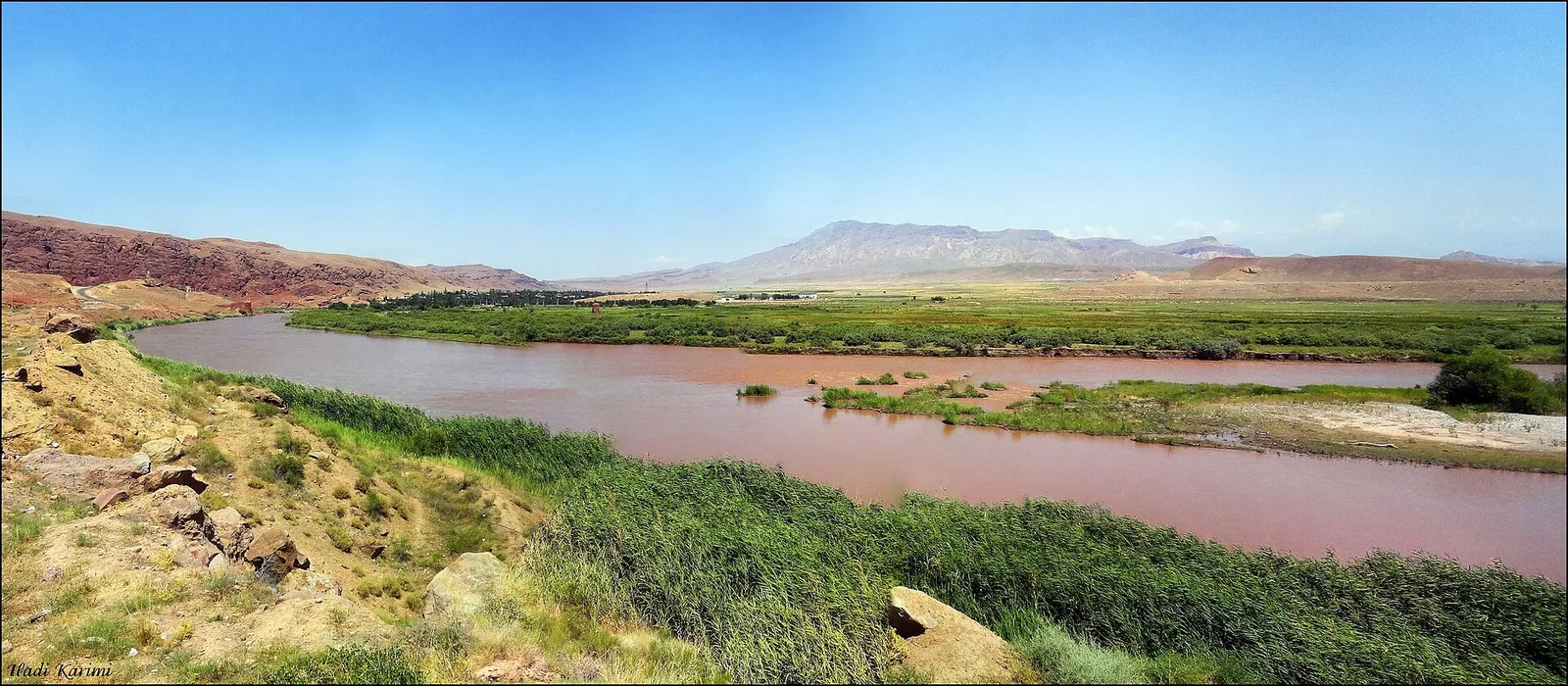
The Aras River, which forms part of the border between Iran and Azerbaijan, has repeatedly become a flashpoint in disputes over ethnic Azerbaijani identity and territorial integrity.
Image Credits: ISS Expedition 28 crew, via Wikimedia Commons (Public domain)
Iran has also opposed the proposal to build a transport corridor via southern Armenia, connecting Azerbaijan with Nakhchivan, fearing that the initiative would undermine its ties with Armenia and expand Turkish and Western influence in the region.
Libya, Yemen and Other Proxy Arenas
The rivalry between Turkey and Iran has also spilled over into other proxy wars. In Yemen, for instance, Turkey backed Saudi-led efforts to fight the Houthis, who are backed by Iran. Public accusations between the two governments broke out in 2015, in which Erdoğan criticized Iranian interference in Yemen.
In Libya, however, the situation was more nuanced. Turkey intervened militarily to support the internationally recognized Government of National Accord in Tripoli. UN investigators, however, uncovered Iranian-made weapons in the hands of both warring factions, although Iran has officially supported the Government of National Accord.
Moments of Cooperation
Despite their often fraught relationship, Turkey and Iran have at times cooperated with each other. Iran was the first to condemn the failed 2016 coup attempt in Turkey, which Ankara appreciated. Both countries also supported Qatar during the blockade led by Saudi Arabia, the United Arab Emirates, Bahrain, and Egypt.
Turkey also opposed the reimposition of US sanctions on Iran, after the withdrawal of the United States from the nuclear deal in 2018, while Iran criticized the sanctions imposed on Turkey during a dispute over a detained American pastor. In 2020, Turkey condemned the US killing of Iranian commander Qasem Soleimani, warning of increased instability.
Iran–Turkey Relations During the 2026 Iran War
When the United States and Israel launched strikes on Iran in February 2026, Turkey took a neutral stance and called for de-escalation. However, the war soon affected Turkish territory, when Turkey alleged on March 4 that NATO's air and missile defenses in the Eastern Mediterranean had intercepted a ballistic missile launched from Iran towards Turkish airspace. The ballistic missile had flown over Iraq and Syria before being shot down near Hatay province. A second missile was shot down over Gaziantep on March 9, and more missiles were shot down later in the month.
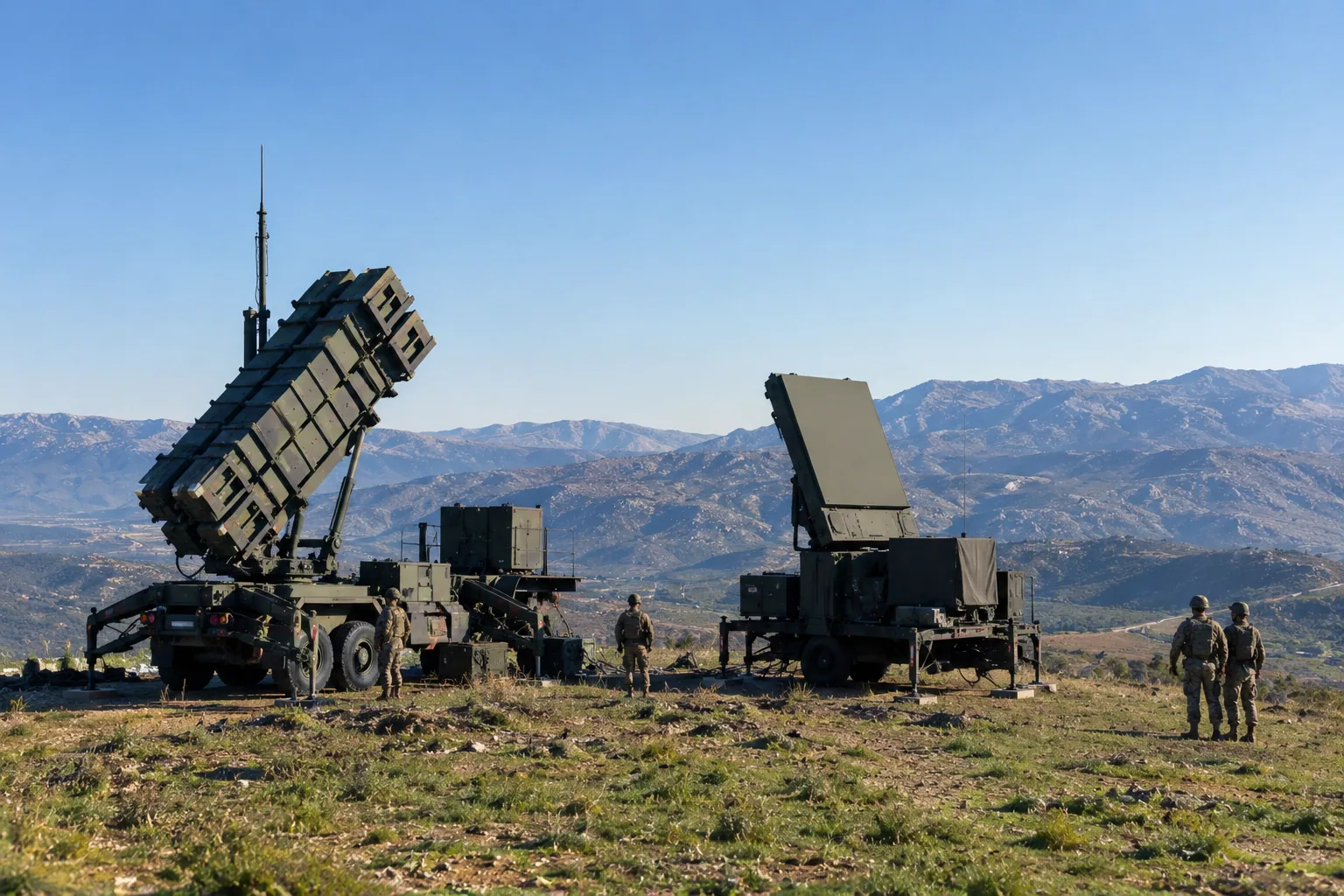
NATO reinforced its air defenses in southern Turkey after several Iranian ballistic missiles bound for Israel were intercepted over Turkish airspace in March 2026.
Image Credits: SRA Alan Port, via Wikimedia Commons (Public domain)
Iran denied launching the missiles towards Turkey and respected Turkish sovereignty, but Turkey called Iran's ambassador and warned it of a right to respond, while NATO bolstered air defenses in southern Turkey. Turkish officials also stressed that they did not want the conflict to escalate and supported diplomatic efforts to end the fighting.
A Rivalry Shaped by Power and Geography
Both countries view themselves as regional powers, but each has considerable influence and reach. Iran has developed a network of allied governments and militias, while Turkey has expanded its military presence and diplomatic reach from Syria and Iraq to Libya, Somalia, and the Caucasus.
The fall of Assad and Iran's losses in the 2026 war have led many analysts to believe the regional balance has shifted towards Turkey. Nevertheless, Turkey and Iran remain neighbors with shared economic interests, security concerns, and a long history of living with each other.
The future of the relationship between Turkey and Iran will likely continue to oscillate between competition and pragmatism. Neither the countries can ignore the other, and they have both learned after five centuries of rivalry, that stability along their mutual border is in their best interests.