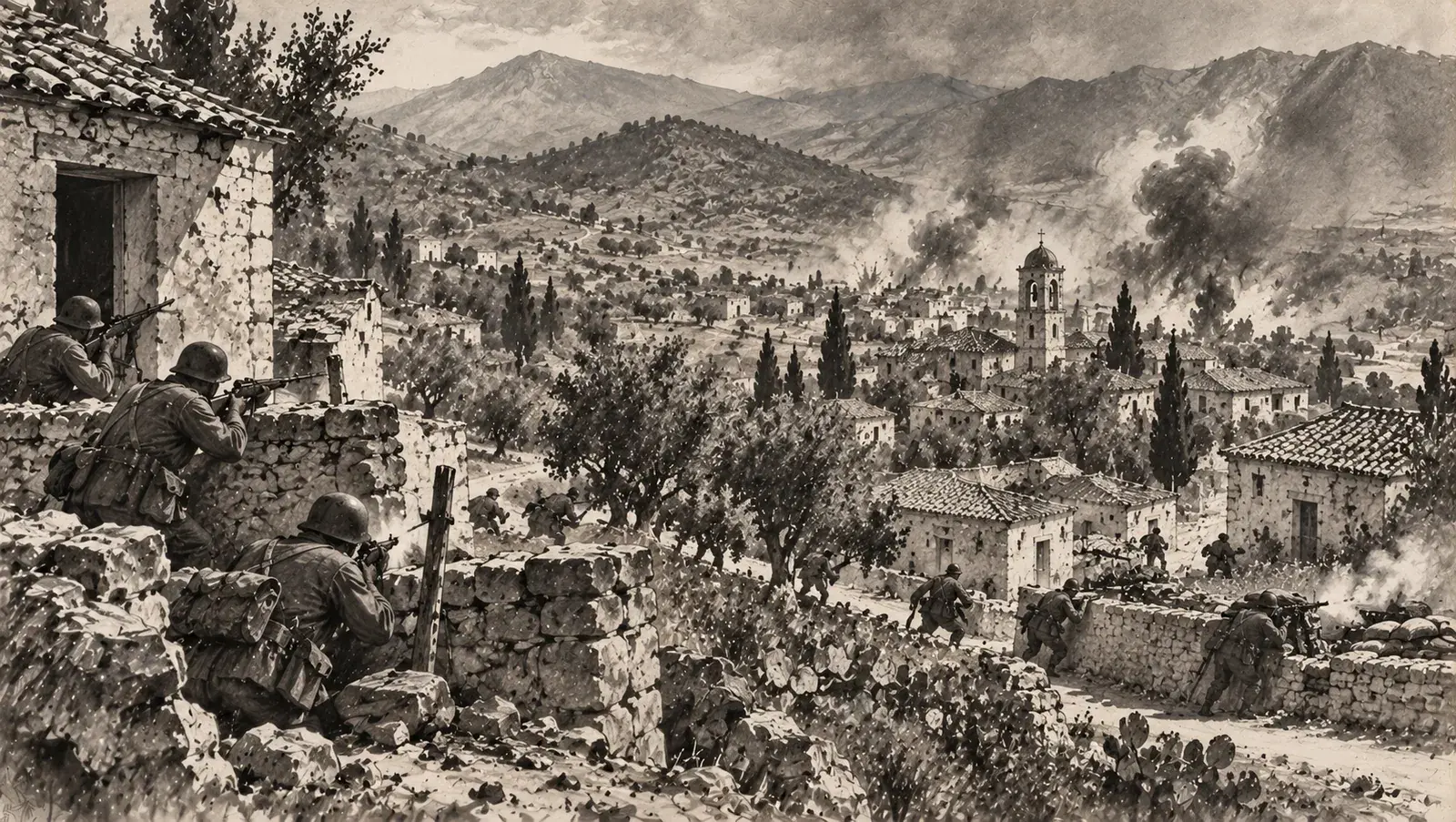
The Yemeni civil war has left this Middle East country with the world's worst humanitarian crisis, according to the United Nations. Millions of Yemeni people suffer from chronic lack of food, drinking water and medical supplies.
Situated at the western edge of the Arabian Penninsula, Yemen borders Saudi Arabia and has one of the busiest shipping lanes on the planet along its coast, making it an attractive region for warring powers.
Yemen's civil war is essentially a dispute over who gets to rule the country, as neither the internationally-recognized government nor the Houthi movement can overpower the other. With foreign powers, smaller separatist groups and families caught in the crossfire, the Yemeni people have suffered greatly for over a decade.
What Is the Yemeni Civil War?
Yemeni civil war is a dispute over who gets to rule the country.
On one side are the Houthi movement, also known as Ansar Allah, which controls the capital, Sanaa, and most of the northern territories and the population. On the other side is the internationally-recognized government, which resides in the southern city of Aden. Despite the Houthi's strong grip over the capital, most countries and the UN consider the internationally-recognized government to be the legitimate ruler of Yemen.
But a proxy war between Saudi Arabia and Iran and several separatist and terrorist groups adds to the chaos of an already difficult situation for the Yemeni people.
Yemen Before the War: North, South and Unification
In order to understand the cause of the war, it helps to understand the history of the region. For centuries, northern Yemen was ruled by an Islamic Zaydi imam, but this system was overthrown in 1962 in a military coup led by army officer Abdullah al-Sallal, who declared a republic. A civil war between royalists and republicans ensued, with Saudi Arabia backing the former and Egypt backing the latter. The republican side eventually prevailed, with the war ending in 1970 through a compromise brokered between Saudi Arabia and Egypt. The southern Yemen, on the other hand, was a British colony until its independence in 1967. During the 1970s it became a socialist state and an official ally of the Soviet Union.
The two Yemens were united in 1990 under President Ali Abdullah Saleh of the northern Yemen, but the federation was fragile.
A brief civil war broke out in 1994, which Saleh won, eventually ruling the country for 33 years before giving way to the 2011 revolution. Saleh was eventually removed from power, and a new president elected in 2012, with his vice president, Abdrabbuh Mansur Hadi, becoming president after a rigged election in which he was the only candidate.
Who Are the Houthis?
The Houthi movement is a Zaydi Shia Muslim group, which formed in the northern province of Saada along the border with Saudi Arabia. The group is made up primarily of Zaydis, with many of its early commanders being related to the al-Houthi family.
The group was formed in the 1960s, after the Zaydis lost power in what was then the Kingdom of Yemen. Believing that later governments were repressive towards Zaydis and promoted a rival sect of Islam, the Houthi's began to rebel.
The rebellion was triggered in 2004 when the leader of the group, Hussein Badreddin al-Houthi, was killed in government custody after protesting government policies. Fighting broke out across northern Yemen in clashes with government troops, with both sides suffering heavily, and a number of failed ceasefires signed throughout the 2000s. The war intensified in 2009, with Saudi Arabia getting involved on the government's side.
During the 2011 revolution, the Houthi's supported the protestors and demanded an end to Saleh's authoritarian rule. They later boycotted the 2012 election which put an end to Saleh's reign, but eventually had enough strength and organization to begin to push south.
The Houthi Takeover of Sanaa in 2014
The takeover of Sanaa was prompted by Houthi's demand for the government to roll back fuel subsidy cuts. Their protests across the capital turned into an all-out battle with government troops in early September 2014. The fighting lasted several days before Houthi's forces were able to seize the capital with little resistance. A ceasefire was agreed to and a power-sharing deal was struck, with President Hadi giving up his posts and the Houthis gaining considerable influence.
The takeover was completed in mid-January 2015 when dissident Houthi's stormed the presidential palace compound. Hadi and his cabinet subsequently resigned, and he was placed under house arrest in Sanaa. In February 2015, the Houthi's dissolved parliament and installed a committee to govern the country in the President's name.
But Hadi himself was far from finished. In February 2015, he escaped Sanaa and eventually arrived in the southern city of Aden, where he announced the Houthi's takeover to be illegitimate, declaring himself still to be President. He named Aden the capital, but the Houthi's forces continued to press south, joined by military units loyal to former President Saleh, meeting only scattered resistance from loyalist Yemeni government troops along the way.
On 25 March 2015, the Houthi's laid siege to Aden. Hadi fled the country the same day.
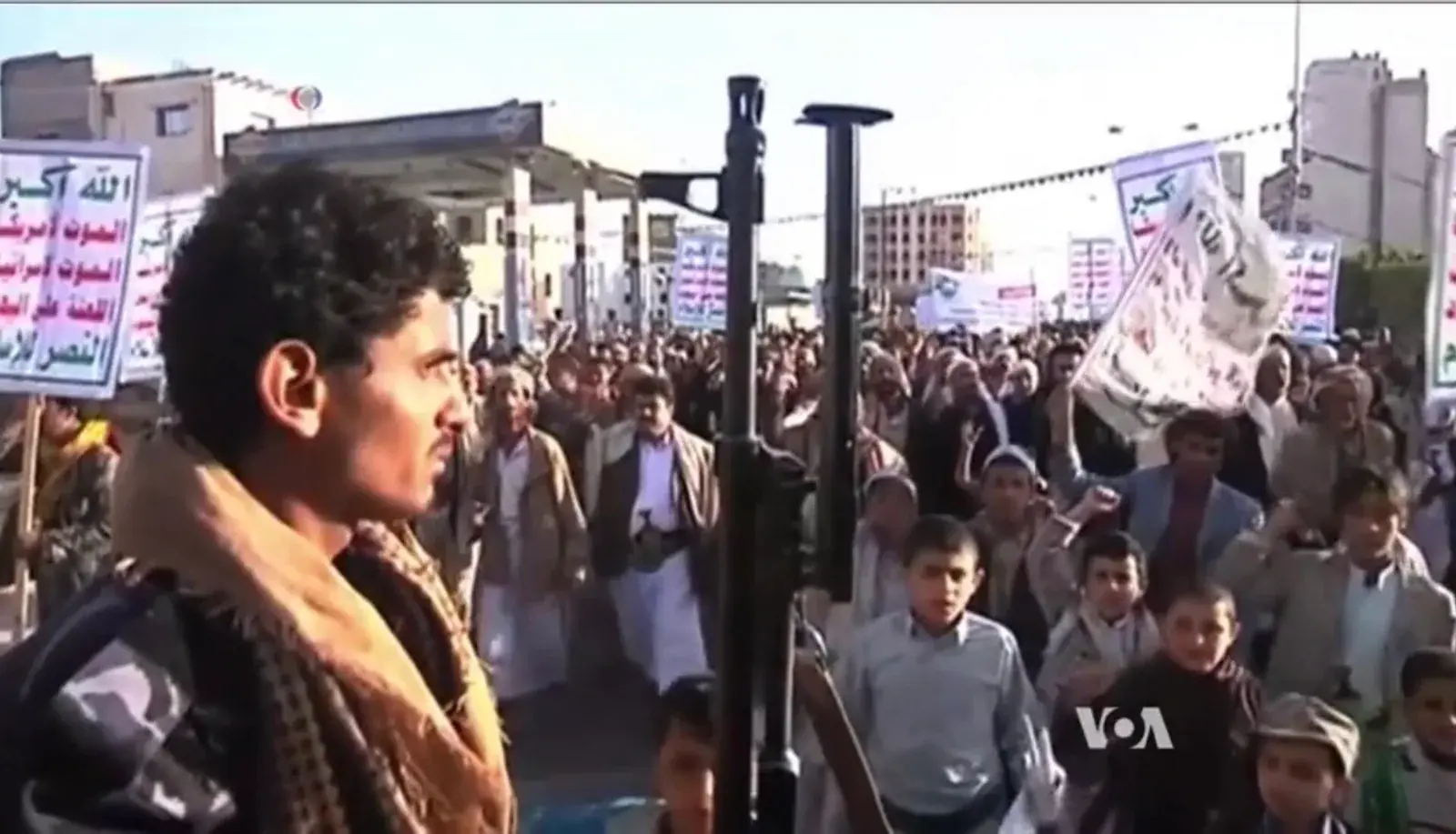
The Houthi seizure of Sanaa in September 2014 set off the chain of events that turned a domestic power struggle into a full civil war.
Saudi Arabia Intervention and Operation Decisive Storm
Saudi Arabia, along with many Muslim countries, was horrified at the prospect of another Shia Muslim state being formed on their doorstep.
As such, in late March 2015, at the request of President Hadi, Saudi Arabia launched Operation Decisive Storm, a bombing campaign against Houthi positions. The United Arab Emirates, Egypt, Jordan, Bahrain, Kuwait, Qatar, Morocco and Sudan all participated in the campaign. Saudi Arabia requested Pakistani assistance, but the request was refused when Pakistan's parliament voted to remain neutral, despite Pakistan sending warships to enforce an arms embargo.
The US did not participate directly, but lent the campaign its support and assistance in the form of aerial refueling of coalition aircraft and the sale of vast numbers of munitions to Saudi Arabia and the UAE. Britain also sold weapons to the value of billions of pounds to Saudi Arabia, the UAE and others.
The bombing campaign was declared over in April 2015 and replaced by a new mission called Operation Restoring Hope. In reality, the campaign continued for years.
It is estimated that the bombing campaign has resulted in nearly 19,000 civilian deaths and injuries, according to the Yemen Data Project as of March 2022. Many of these casualties were the result of attacks on markets, homes, hospitals and camps for internally-displaced persons. In 2020 alone, the UK's Ministry of Defence recorded more than 500 individual Saudi Arabian air strikes which may have breached international law.
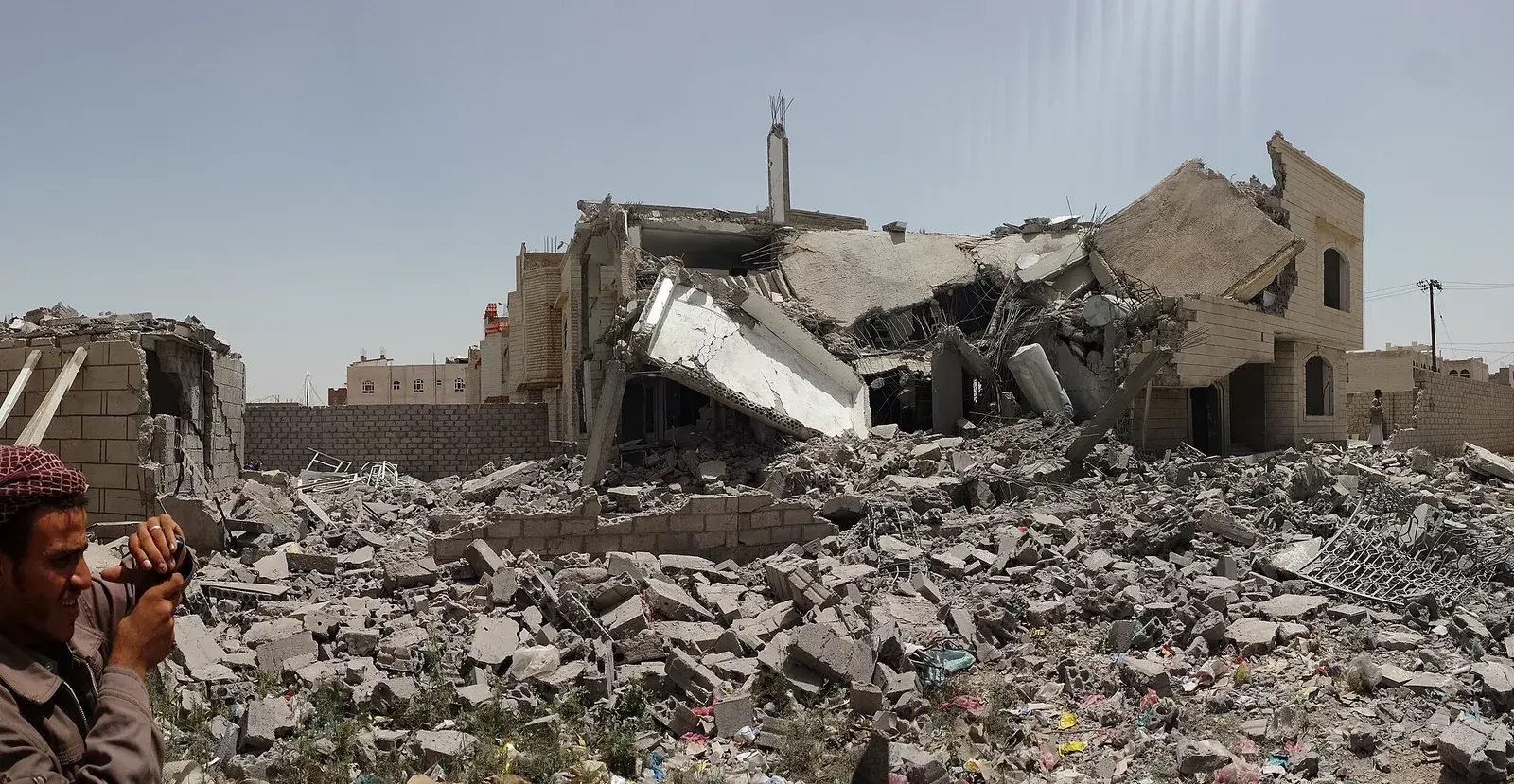
Coalition airstrikes under Operation Decisive Storm, and its successor missions, have been linked to thousands of civilian casualties since 2015.
Image Credits: By Ibrahem Qasim - Own work, CC BY-SA 4.0, https://commons.wikimedia.org/w/index.php?curid=40939537
Iran, Saudi Arabia and the Proxy War Debate
The Yemeni civil war is frequently cited as an example of a proxy war between Saudi Arabia and Iran, with both nations providing support to different warring factions without either fighting directly themselves.
There is some truth to this, as the US, Saudi Arabia and United Arab Emirates have accused Iran of supporting the Houthi through the supply of weapons, training, funding and strategic support. Ayatollah Khamenei, the Supreme Leader of Iran, has openly expressed his support for the Houthi, offering the group his "spiritual" guidance. According to an Iranian commander, Iran had encouraged the Houthi to attack two Saudi oil tankers in 2018, a claim which Iran later denied.
However, there is evidence that Houthi military decisions are often made without Iranian input, and that the majority of Houthi's weapons are purchased from private arms dealers rather than Iran. At various times the Houthi have even defied Iranian orders, preferring to make their own decisions. According to the US National Security Council spokesperson in April 2015, Iran does not have control over the Houthi.
Professor Stephen Zunes has postulated that a majority of Houthi weapons purchases are made on the black market, and Iran only provides limited support to the group. The Houthis maintain their own government and make their own decisions, frequently disagreeing with Iran on matters of military operations.
In March 2023, China helped negotiate a deal between Iran and Saudi Arabia, with reports suggesting that Iran agreed to halt its military support for the Houthi. However, reports since suggest that military support has continued.
The Southern Transitional Council and a War Within a War
As mentioned, the anti-Houthi coalition consists of many different factions, not all of which are united in their goals. Many Yemeni people in the south of the country did not want to be part of a united country in the first place, and as such were only too happy to see President Saleh return to power. In 2017, southern separatists formed the Southern Transitional Council, or STC, which was largely supported by the United Arab Emirates. In 2018, STC forces took over the southern city of Aden, which was the interim capital of the republic.
So the Saudi-backed Yemeni government and the UAE-backed separatists were fighting a common enemy, the Houthi, despite both being part of the same coalition. The two factions have fought each other as well as the Houthi, adding to the complexity of an already difficult situation.
Meanwhile, Al-Qaeda in the Arabian Peninsula has taken advantage of the power vacuum to carve out its own territory in the south of the country, while the Islamic State has conducted several high-profile suicide bombings, including attacks on mosques in Sanaa. Throughout the conflict the US has conducted numerous drone strikes on members of Al-Qaeda.
In 2022, the government of President Hadi was dissolved, replaced by the Presidential Leadership Council in an effort to bring the STC into the government.
Famine, Cholera and Yemen's Humanitarian Crisis
The statistics surrounding the Yemeni crisis are truly horrifying, as nearly every aspect of daily life has been severely disrupted.
According to the UN Development Programme, the number of people who have died as a result of the conflict is estimated at 377,000 by the end of 2021, with around 150,000 of these fatalities being a direct result of the fighting itself. The remaining 60 percent are attributed to indirect causes such as famine, disease and the lack of access to clean water and medical care.
Yemen imports roughly 90 percent of its food, which has been severely impacted by the conflict, both through damage to infrastructure and the economic impact of the war. Lack of fuel has caused widespread water shortages, while economic disruption meant families were unable to afford food even if they could find any.
A crippling cholera outbreak in 2017 has been described by officials as one of the largest outbreaks of the disease in modern history. Waterborne and easily treatable if treatment facilities exist, the disease saw hundreds of thousands of cases across Yemen in a matter of months, with millions of Yemeni people affected.
The health system has collapsed under the pressure of the war, with a World Health Organization survey finding that fewer than half of Yemen's healthcare facilities were fully functioning. Dozens of districts were without a single doctor and millions of people have been displaced from their homes, with many more having fled the country altogether, seeking refuge in Djibouti, Somalia, Oman and elsewhere.
Yemen's Children and the Cost of the War
Children have been disproportionately affected by the conflict, particularly in regards to nutrition.
The UN estimates that most of the war's indirect deaths are due to the impact on children's health, particularly the prevalence of malnutrition. Five children in Yemen die every single day because of the war, according to the UN, with a child under the age of five dying every nine minutes as a result of the war.
The education system has been greatly affected by the war, with the UNICEF reporting that two million children have dropped out of school since the war began, with millions more at risk. Teachers have not been paid since 2017 and schools have been damaged or taken over by combatants, making them unsafe.
Both sides have been accused of using child soldiers, despite it being explicitly forbidden by international law and the Yemeni constitution. According to the UN, in 2018 roughly two-thirds of Yemen's child soldiers were fighting for the Houthi. Reports also accused Saudi Arabia of recruiting children from Sudan and Yemen to fight the Houthi along the border.
Families living in poverty have also been affected, with aid agencies reporting a rise in child marriages as desperate families sought an income. Agencies have warned that displaced women and children are at increased risk of trafficking.
War Crimes Accusations Against All Sides
In August 2018 a group of UN experts concluded that all sides in the Yemeni conflict may have committed war crimes, including the Yemeni government, Saudi Arabia, the United Arab Emirates and the Houthi.
The accusations against the Saudi-led coalition consist primarily of airstrikes on civilian targets. The accusations against the Houthi consist of shelling civilian areas, impeding humanitarian aid and laying hundreds of thousands of landmines, which continue to injure people long after the conflict has ended.
A Yemeni human rights organization, Mwatana, has documented over 1,600 cases of people being imprisoned arbitrarily between 2016 and 2020, as well as hundreds of disappearances. The Houthis were found responsible for the most cases, with UAE-backed forces coming second and the Saudi-backed Yemeni government coming third.
Accountability has proven elusive. In October 2021, the UN Human Rights Council voted against renewing the mandate of the Group of Eminent Experts on Yemen, the only independent UN body investigating and publicly reporting on violations by all sides, effectively ending the international investigation and drawing sharp criticism from human rights groups.
The Red Sea Attacks and the Wider Middle East
Throughout the war, the fighting has generally been limited to Yemen and the Saudi border, with both sides refraining from attacking the other directly. This changed when the Houthi began targeting shipping in the Red Sea, beginning in late 2023. Located on the narrow strait between Yemen and Africa, the Bab el-Mandeb is a crucial shipping route connecting the Suez Canal with the rest of the world. The attack on it by the Houthi, who claim responsibility for attacks in support of Palestinians in Gaza, has resulted in many shipping companies taking alternative, longer routes around Africa.
In March 2025, the US launched a large-scale attack on Houthi sites in Yemen, following attacks on Red Sea shipping. In July 2026 a naval coalition of 14 countries, the Multinational Maritime Defense Coalition, was formed with the aim of protecting shipping in the region.
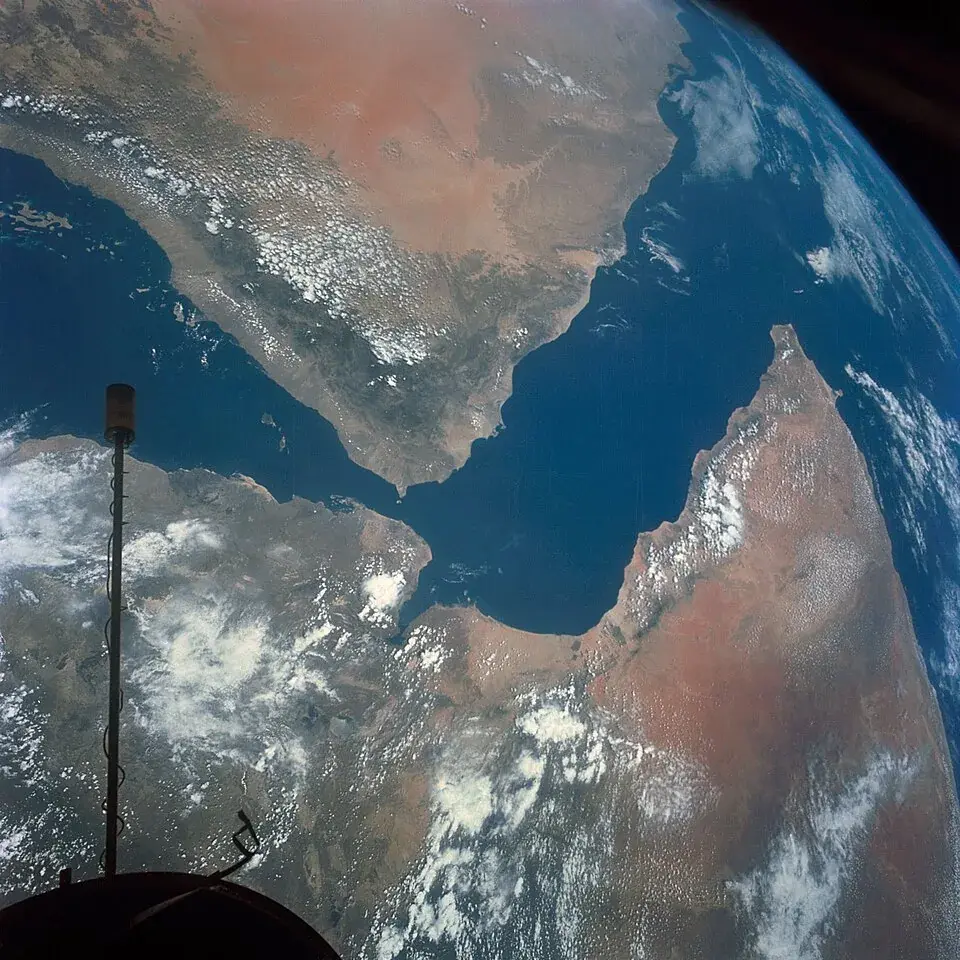
The Bab el-Mandeb Strait carries a significant share of the world's shipping traffic, which is why Houthi attacks on vessels there have drawn in a global response.
Image Credits: By NASA - http://spaceflight.nasa.gov/gallery/images/gemini/gemini11/html/s66-54536.html, Public Domain, https://commons.wikimedia.org/w/index.php?curid=31336626
Peace Talks, Truces and Prisoner Swaps
There have been several attempts at bringing an end to the fighting, with varying levels of success. The Stockholm Agreement, signed in Sweden in December 2018, created a ceasefire around the strategically important Hodeidah and a system for the exchange of prisoners. The Riyadh Agreement of 2019 was aimed at ending the fighting between the government and the southern separatists.
The most significant achievement was the nationwide truce brokered by the UN in April 2022. Fuel supplies to Houthi areas were re-established and flights to and from Sanaa were allowed to resume, although the truce eventually expired, the level of fighting remaining lower than before.
Prisoner exchanges have become a regular occurrence, with both sides agreeing to them as a means of showing commitment to a ceasefire. In 2020, 1,081 prisoners were exchanged between the sides and another 887 in 2022. In May 2026, after 14 weeks of talks in Jordan, the sides agreed to the largest prisoner exchange of the war, with nearly 1,700 detainees due to be released.
Yemen in 2025 and 2026: The STC Collapse and New Fighting
Events in Yemen have moved quickly in recent years, and things have changed dramatically in late 2025. In December 2025, the Southern Transitional Council launched a large-scale offensive and captured nearly all of South Yemen, including the oil-rich region of Hadhramaut. For a brief period it seemed as though southern independence might be achieved, but Saudi intervention against the STC and worsening relations between Saudi Arabia and the UAE caused the Yemeni government to cancel its defense agreement with the UAE and expel Emirati forces from the country.
Forces loyal to the government, with Saudi airstrikes, launched a large counterattack and recaptured the south within days. The leader of the STC was charged with treason and fled, and in January 2026 the STC announced it would dissolve itself.
Meanwhile, the larger conflict involving Iran has drawn the Houthi back into heavy fighting with the Saudi-backed government. Throughout the summer of 2026, they have attacked Saudi oil facilities, airports and Red Sea shipping, while Saudi Arabia has retaliated inside Yemen. In September 2026, the Houthi launched a major attack along the coast and captured the strategically important Bab el-Mandeb strait, seizing the port of Mokha and Perim Island. The government launched a counteroffensive with the aim of eventually recapturing Sanaa.
In other words, the conflict in Yemen is by no means nearing an end.
Why the Yemeni Civil War Matters
It is easy to become detached from a war as distant and complicated as the one in Yemen. The effects on the daily lives of ordinary people can seem distant and the causes can seem as if they happened a long time ago.
But the events in Yemen affect all of us in ways we may not notice. The shipping lanes can result in higher prices on goods we buy everyday, and the weapons being sold are often made in our own countries. Protests and court cases in the US and UK against arms sales to Yemen are evidence of this.
But more importantly, tens of millions of people live in a country affected by war, most of whom never wanted any part in it.
The UN has suggested that should the conflict end, Yemen could recover much of its lost potential within a single generation. That should be something we all want to see happen, shouldn't it?